

What are the legal steps required to obtain a grant of probate when selling a property?
To obtain a grant of probate before selling a property, the executor should confirm the will, value the estate, complete the required inheritance tax forms, pay any tax due or arrange payment, and submit the probate application with the will and supporting documents to the appropriate probate authority. In Scotland, the equivalent process is applying for confirmation, while Northern Ireland has its own probate procedures.
A grant of probate is the court document that confirms an executor’s authority to deal with assets held in the deceased’s sole name, including a house. Before a property sale can complete, the executor must establish their legal authority, provide accurate information about the estate, satisfy any inheritance tax requirements that apply and obtain the appropriate grant from the Probate Service. The grant is not itself a transfer of ownership: it allows the executor to administer the estate and deal with the property on behalf of the estate.
1. Establish who has authority to apply
The named executors in the valid will are normally the people entitled to apply for a grant of probate. An executor may not be able or willing to act, so the application must accurately explain whether each executor is applying, reserving their right to apply later or renouncing the role. A person who has renounced executorship generally cannot return to the role without the court’s permission.
If there is no valid will, the appropriate document is usually a grant of letters of administration rather than a grant of probate. The person entitled to apply will generally be determined by the statutory order of priority. Where the will is unclear, damaged, disputed or appears to have been made under questionable circumstances, specialist advice should be obtained before relying on it.
2. Identify the assets and liabilities correctly
The executor needs a complete estate account. This includes the deceased’s property, bank accounts, investments, personal possessions, business interests, insurance policies and debts. For a house, the information may include:
- the address and registered title details;
- whether the property was owned solely, jointly or as tenants in common;
- any mortgage, secured loan or other charge;
- the deceased’s share of the property;
- insurance, utility and management liabilities; and
- any financial interest connected with leasehold ownership.
Ownership matters because a jointly owned property may pass automatically to the surviving joint owner, depending on how it was held. A property held as tenants in common normally forms part of the deceased’s estate and may require the grant before the deceased’s share can be dealt with. The Land Registry title and the ownership documents should be checked rather than relying solely on family recollection.
3. Determine which tax reporting route applies
The executor must establish whether the estate requires a full inheritance tax account or a different reporting process. The relevant information can include lifetime gifts, trusts, jointly owned assets, pensions, charitable gifts, liabilities and property interests. The legal process is affected by the information supplied, so an estate should not be treated as straightforward merely because its main asset is a house.
Where a tax reference or evidence of payment is required before the application can proceed, the executor must obtain it and follow the applicable payment arrangements. If the estate cannot meet a tax liability from cash assets, specific arrangements may be available for certain assets, but these should be discussed with HM Revenue and Customs or a probate professional. The property’s eventual sale price does not replace the need to provide an accurate valuation at the relevant date of death.
4. Prepare the probate application
The application must match the will, death record and estate information. It normally requires the executor’s personal details, the deceased’s details, the date of death, the estate value and information about any earlier application. The applicant must make a legal declaration confirming that the information is correct and that they will administer the estate properly.
Documents may need to include the original will and any codicils, the relevant death certificate or evidence of registration, and confirmation that the inheritance tax process has been dealt with. If the original will cannot be found, or if documents contain inconsistencies, the Probate Service may require further evidence. Copies should be retained for the estate records, while original documents should be sent only in accordance with the current application instructions.
5. Submit the application through the correct process
Applications in England and Wales may be made through the applicable online or paper procedure, depending on the circumstances. The applicant must use the process appropriate to the estate and provide any tax reference requested. The probate authority may ask for clarification, replacement documents or further evidence before issuing the grant.
It is important to respond accurately to queries rather than submitting a second application to correct an unresolved problem. A material error in the estate value, the identity of an executor or the description of the will can require an amended grant or additional court steps later.
6. Understand what happens when the grant is issued
Once issued, the grant identifies the personal representatives and records the authority under which they can administer the estate. The executor can then provide an official copy to the property solicitor, lender, Land Registry or other organisation that needs evidence of authority.
For a property registered solely in the deceased’s name, the conveyancer will usually need to see the grant before completing a sale. The conveyancer will also check the title, deal with any mortgage or restrictions, confirm the seller’s capacity and arrange the transfer of the property to the buyer. If the sale is agreed before the grant is issued, the contract and completion arrangements should be reviewed carefully because the executor may not yet be able to give the buyer the title required for completion.
7. Administer the estate after the sale
Obtaining the grant does not end the executor’s legal responsibilities. The executor must collect the sale proceeds, settle valid debts and expenses, deal with any further tax obligations and distribute the remaining estate in accordance with the will or the intestacy rules. Estate accounts should show the property sale, expenses, liabilities, distributions and the balance passed to beneficiaries.
If the property is transferred to a beneficiary instead of sold, the legal steps differ. The personal representatives may need to execute an assent and provide evidence of the grant and the beneficiary’s entitlement. A solicitor or conveyancer can confirm whether a sale, transfer or registration application is required.
Different procedures across the UK
Probate terminology and application procedures differ between England and Wales, Scotland and Northern Ireland. Scotland uses confirmation rather than a grant of probate, while Northern Ireland has its own Probate Office process. The correct court, forms and supporting evidence depend on where the deceased was permanently resident and where the assets are situated. If the estate includes property or assets in more than one jurisdiction, advice should be taken before applying.
When professional advice is sensible
A probate solicitor is particularly useful where there is a disputed or missing will, several executors, a jointly owned property, a trust, an insolvent estate, overseas assets, uncertain tax treatment or a proposed sale before the grant is available. Professional advice can also help where a beneficiary challenges the administration or where the title does not clearly show how the property was owned.
For a straightforward estate, the executor may be able to make the application personally. However, the executor remains responsible for the accuracy of the information and for administering the estate correctly, even when a conveyancer handles the property sale.
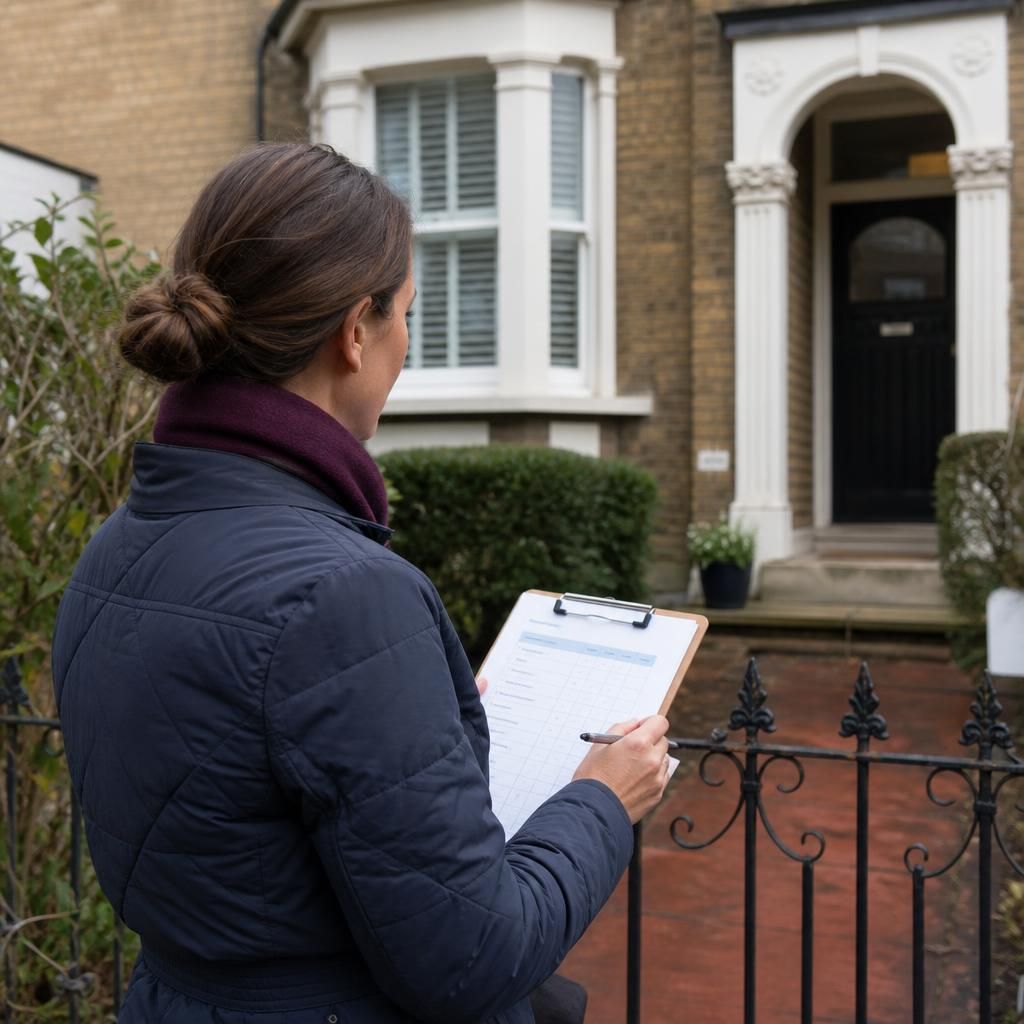
While the probate application is being prepared, the executor should protect the property and preserve its value. This includes keeping appropriate buildings insurance in place, securing vacant premises, dealing with urgent repairs and retaining records of expenditure. Estate funds may generally be used for reasonable preservation costs, provided the executor keeps clear evidence and accounts for each payment.
The executor should also avoid distributing estate assets until the estate’s debts, tax position and sale-related costs have been established. Premature distributions can leave the executor personally exposed if later liabilities cannot be paid. A clear record of decisions, invoices, valuations and correspondence will help demonstrate that the property and the wider estate have been managed properly.