
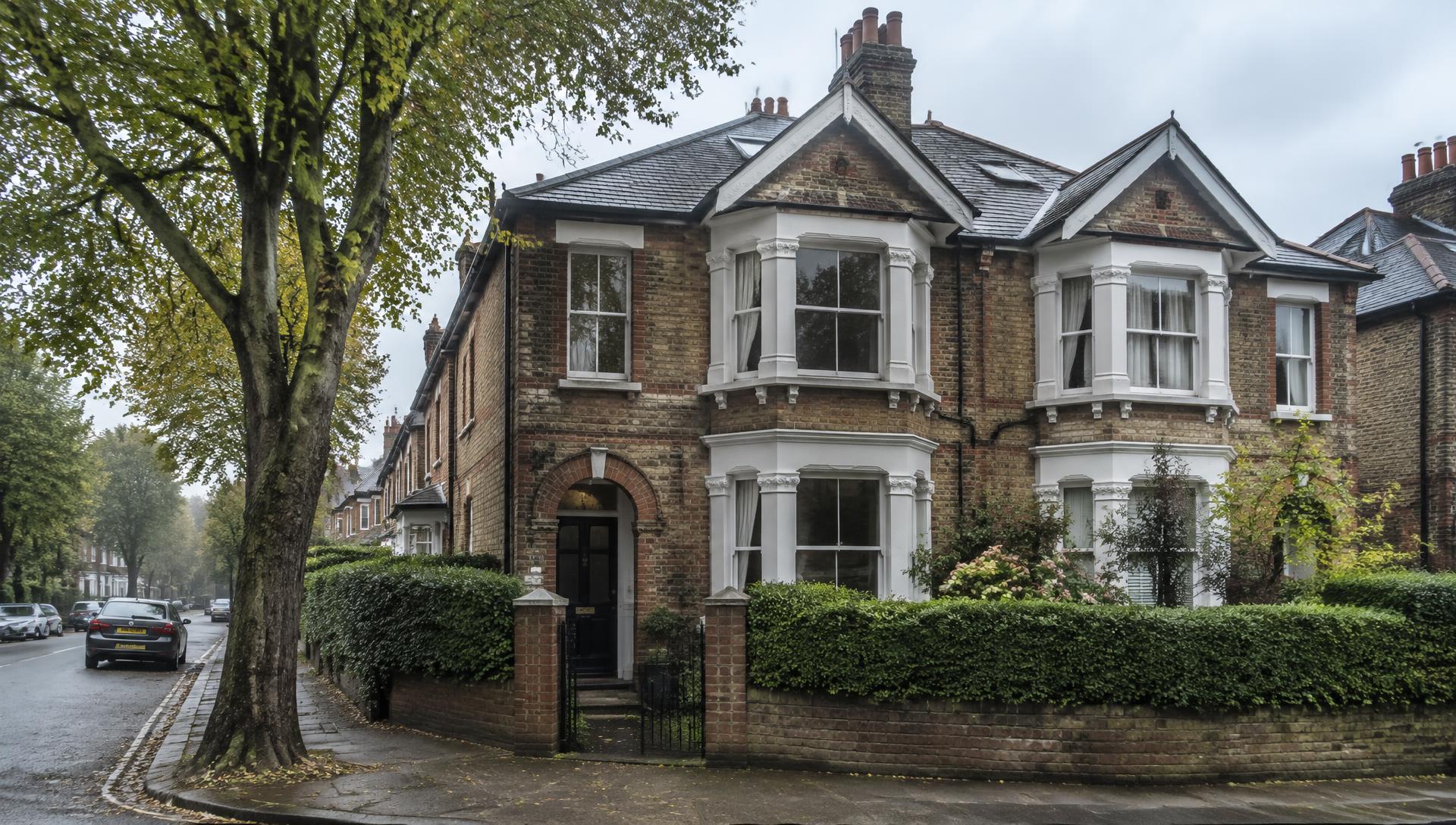
What is the role of a probate solicitor in the house selling process?
A probate solicitor guides the executors through the legal and administrative work involved in selling a deceased person’s property. They help establish authority to sell, prepare and review documents, address inheritance issues, and ensure the transaction complies with probate and property law.
In practical terms, a probate solicitor manages the legal risk around a property sale and gives the personal representatives a reliable route from estate administration to completion. Their work is not limited to applying for probate: it also involves checking that the property can be transferred, identifying matters that could delay a buyer’s conveyancing, and ensuring the sale proceeds are dealt with correctly within the estate.
Confirming who can sell
The solicitor first establishes who has legal authority to act for the deceased. This usually means reviewing the will, identifying the executors and checking whether a grant of probate has been issued. If there is no valid will, the relevant authority may be letters of administration rather than a grant of probate. Where several personal representatives are appointed, the solicitor will explain whether all of them must approve documents and the sale.
This check is important because an estate agent may market the property before the legal authority to complete is in place, but the person signing the transfer must have the proper capacity to sell. A solicitor can also advise where an executor has died, cannot act, has renounced their role or is in dispute with another representative.
Reviewing the property’s legal position
A probate solicitor examines the title and related information to identify issues that could affect the transaction. Depending on the property, this may include:
- ownership recorded at the Land Registry;
- mortgages, restrictions, charges or notices registered against the title;
- unregistered land requiring older deeds or additional evidence;
- lease terms, service charges and consent requirements for a leasehold property;
- rights of way, covenants or boundary concerns; and
- planning, building regulation or alteration paperwork that a buyer may request.
If the property was jointly owned, the legal position may differ according to how it was held. A solicitor will assess whether the deceased’s interest passes through the estate or whether survivorship rules apply. That distinction can affect who needs to sign the sale documents and whether the property must first be transferred into the personal representatives’ names.
Preparing the contract and replies
Once a buyer is found, the solicitor prepares or reviews the contract pack. This commonly includes the official title information, property forms, fittings and contents details, leasehold information where relevant, and replies to the buyer’s solicitor’s enquiries. The personal representatives must answer questions honestly and should not guess about the property’s history or condition. The solicitor can explain what information is required and help distinguish matters they can confirm from matters that need evidence.
Probate sales often involve limited personal knowledge of the property. The deceased’s representatives may not know when work was carried out, where guarantees are held or whether boundaries were agreed. The solicitor will flag gaps rather than conceal them, helping the representatives decide whether to obtain documents, make a limited contractual response or investigate further.
Handling estate-specific complications
The solicitor may need to coordinate several connected issues before exchange of contracts, including:
- repaying a mortgage or other secured borrowing from the sale proceeds;
- obtaining a redemption statement and checking how any charge will be removed;
- dealing with outstanding utility, insurance, service charge or repair matters;
- checking whether a beneficiary, tenant or other occupant has rights affecting vacant possession;
- communicating with multiple executors or beneficiaries; and
- recording consent where the will, a trust or a court order places conditions on a sale.
A solicitor does not normally decide the asking price or choose the buyer. Those are decisions for the personal representatives, often with advice from an estate agent or another valuation professional. However, the solicitor can explain the legal consequences of accepting an offer, selling with limited information, or agreeing a completion date before the estate is ready.
Managing exchange and completion
Before exchange, the solicitor checks that the contract reflects the agreed terms and that the representatives understand the commitment being made. Exchange makes the sale legally binding, so unresolved questions about authority, title, vacant possession or funding should be addressed beforehand. The solicitor also coordinates the transfer deed and any documents needed to release registered charges.
At completion, the buyer’s money is received and used in accordance with the transaction and estate requirements. This may include paying off secured borrowing and authorised sale expenses. The solicitor then deals with the post-completion transfer and provides the personal representatives with a completion statement. Sale proceeds form part of the estate and should not be distributed to beneficiaries until the representatives have considered debts, expenses, tax and other liabilities.
Protecting beneficiaries and the personal representatives
Personal representatives can be personally exposed if they distribute estate assets while known debts or claims remain unpaid. A probate solicitor can advise on the order in which liabilities should be addressed and whether further protection is appropriate before distributing the sale proceeds. This is particularly relevant where the estate is insolvent, a beneficiary is challenging the will, or a creditor may still bring a claim.
The solicitor should also keep a clear record of decisions, valuations, offers and communications. If executors disagree about the sale, the solicitor can explain their duties and the possible routes for resolving the disagreement, but cannot simply override a properly appointed representative or beneficiary’s legal rights.
When specialist advice may be needed
A probate solicitor may recommend separate advice where the matter involves complex tax, agricultural land, business assets, trusts, an overseas element, suspected fraud or a contested will. They can coordinate with other professionals, but instructing a solicitor does not automatically make them responsible for every financial or valuation issue in the estate.
Before instructing one, the personal representatives should ask whether the quoted work covers the grant application, property sale, title problems, leasehold administration, estate accounts and post-completion distribution. They should also clarify how additional work is charged and which decisions remain their responsibility. The right scope depends on the estate’s complexity: a straightforward registered property may require a different service from an unregistered, occupied or disputed property.
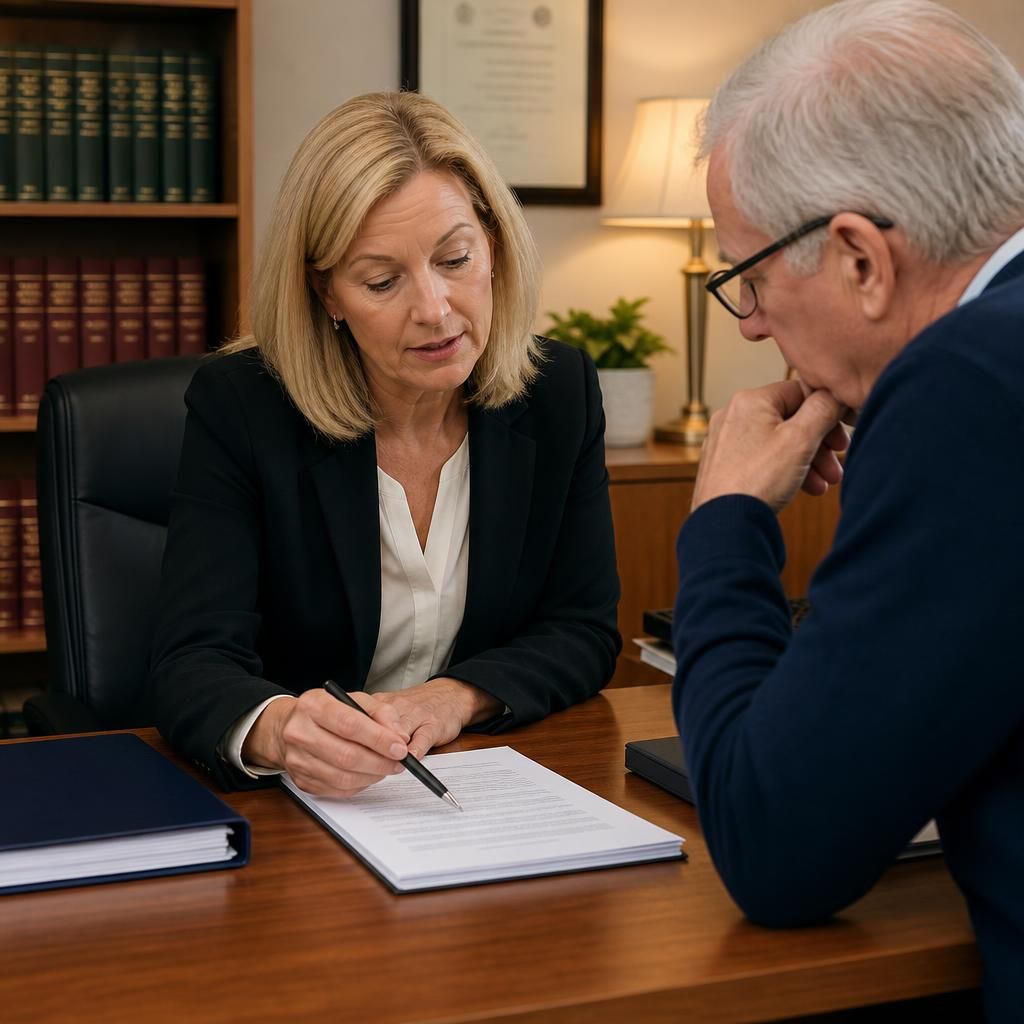
A probate solicitor acts for the estate and its personal representatives, rather than automatically representing every beneficiary. Their role is to advise the executors on their legal duties when selling the property, including the need to act in the estate’s interests and treat beneficiaries fairly. This distinction matters if beneficiaries disagree about the asking price, proposed buyer or timing of the sale.
Where the interests of the executors and beneficiaries conflict, the solicitor may explain that separate legal advice is required. They must also identify any conflict that prevents them from advising all parties on the same matter. This helps keep negotiations, approvals and sale decisions properly documented and reduces the risk of a beneficiary later alleging that the property was sold improperly.