

What factors influence the valuation of probate properties for cash sales?
The valuation of a probate property for a cash sale is influenced by its condition, location, size, local demand and likely open-market value, alongside any outstanding mortgage, title restrictions or other legal issues. The buyer will also consider the cost and risk of resolving defects, clearing the property and completing the transaction, as these affect the cash offer.
Probate property valuations for cash sales are influenced by more than the property’s apparent market price. The valuation must account for the date used, the quality of comparable evidence, the property’s tenure and occupation, any planning or use restrictions, and the level of certainty a cash transaction provides. These factors help establish a realistic figure rather than simply applying a standard reduction to an estate agent’s asking price.
The valuation date is particularly important. For probate and inheritance tax purposes, the relevant value is generally linked to the date of death, whereas a cash buyer assessing a purchase is concerned with the property’s current value and the conditions attached to completing the sale. If the market has changed between those dates, the figures may differ. Executors should therefore distinguish between a probate or tax valuation and a current sale valuation.
Comparable sales evidence is another major influence. A valuer will usually examine recently sold properties that are genuinely similar in terms of property type, size, tenure, condition and position. Asking prices are less reliable than completed transactions because they show what sellers hope to achieve rather than what buyers have paid. Where few suitable comparisons exist, the valuation may include a wider margin of judgement.
Tenure and lease terms can materially affect the figure. A freehold house and a leasehold flat are not valued in the same way. For a leasehold property, the remaining lease length, ground rent provisions, service charges, restrictions on alterations and the management of the building may all be relevant. A short lease or unusual lease obligation can reduce the number of interested buyers and influence the cash offer.
Occupation and possession also matter. A vacant property may be assessed differently from one occupied by a tenant, licensee or family member. The terms of any tenancy, the right to obtain vacant possession and the condition in which the property can be inspected can affect both the valuation and the practical certainty of the sale. A buyer may need to allow for additional legal work or a different completion arrangement where possession is not straightforward.
Planning and permitted use can change the valuation independently of the building itself. Extensions, conversions or alterations may require planning permission, building regulations approval or evidence that the necessary consents were obtained. Restrictions affecting development, listed-building status, conservation areas, access or shared facilities may also limit the property’s potential. This is not the same as assessing general physical condition; it concerns what can lawfully be done with the property.
Marketability and buyer demand influence the difference between a theoretical open-market value and a cash-sale offer. A property with unusual features, a restricted buyer pool or limited mortgage appeal may take longer to sell through conventional methods. A cash purchaser may still proceed, but the offer can reflect the reduced resale market and the capital tied up while the property is prepared for onward sale.
A cash offer is not necessarily calculated as a fixed percentage of an estate agent’s valuation. It may reflect:
- the strength and relevance of the available comparable evidence;
- the certainty of the information supplied by the executor or personal representative;
- the anticipated time and professional work needed before resale;
- the risks identified during legal, title and property investigations; and
- the buyer’s assessment of the property’s likely resale value in the prevailing market.
These considerations explain why two cash buyers may produce different figures for the same probate property. Their assumptions about resale value, transaction risk, funding, professional costs and required conditions may not be identical. An executor should compare the basis of each offer, not just the headline amount.
Accurate information supports a more dependable valuation. Useful documents may include the title register, lease, tenancy agreement, planning and building regulations records, insurance details, service-charge statements, mortgage information and any previous survey or valuation. The executor should also disclose known circumstances that could affect possession or transfer. Omissions may lead to a revised offer later if the buyer’s investigations reveal information that was not reflected in the initial assessment.
Where the estate requires an inheritance tax or formal probate valuation, that purpose should be explained to the valuer. A valuation prepared for tax or estate administration is not automatically the same as an offer from a cash buyer. The personal representative remains responsible for ensuring that the figure used for the estate is appropriate for its intended purpose and, where necessary, obtaining independent professional advice.
In practice, the most reliable comparison is between a current independent valuation, relevant completed-sale evidence and the terms of the proposed cash transaction. The executor should check whether the offer is subject to inspection, title review, vacant possession or other conditions, and whether any deductions have been clearly explained. This makes it easier to assess the real value of the proposal and reduces the risk of confusing a probate accounting figure with the amount ultimately payable on completion.
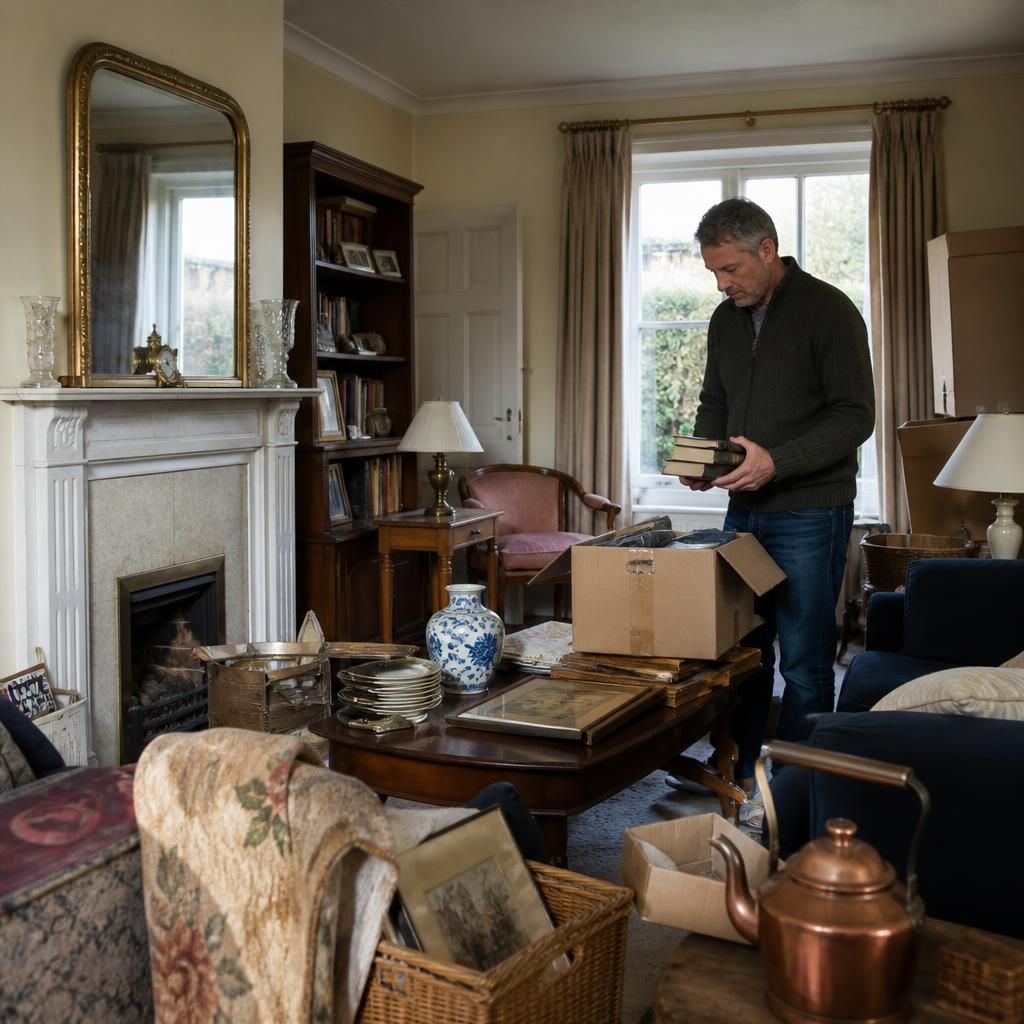
Fixtures, fittings and personal contents can affect a probate cash valuation, particularly where the buyer is expected to take responsibility for removing or disposing of items. A furnished property is not automatically worth more than an empty one: ordinary household contents usually have little effect on the property’s market value, while clearance, storage or specialist disposal may create an additional cost.
The valuation should therefore distinguish between items that form part of the property, such as fitted units or built-in appliances, and movable belongings that remain part of the estate. Valuable antiques, vehicles or collectables should not be assumed to increase the house valuation; they may require a separate assessment. Executors can improve clarity by confirming which fixtures will remain, which contents will be removed, and whether any items are to be sold separately.
Request a Cash Valuation for Your Probate Property
If you are assessing a probate property for a cash sale, request a valuation based on the property’s circumstances and the information available to the estate. Providing relevant title, lease, occupancy and planning documents can help ensure the proposed figure is considered in context.