

How can a RICS probate valuation identify hidden property issues?
A RICS probate valuation can identify hidden property issues by combining a structured inspection with a review of the building’s condition, records and legal circumstances. It may highlight defects, unauthorised alterations, repair liabilities, restrictive factors or other matters that could affect the property’s market value and an estate’s inheritance decisions.
A RICS probate valuation can reveal property issues that may not be apparent from a basic viewing by testing whether the property’s condition, paperwork and physical characteristics support the value reported for probate. It is primarily a valuation assignment rather than a full building survey, so its findings should be understood as indicators of matters that may require further investigation.
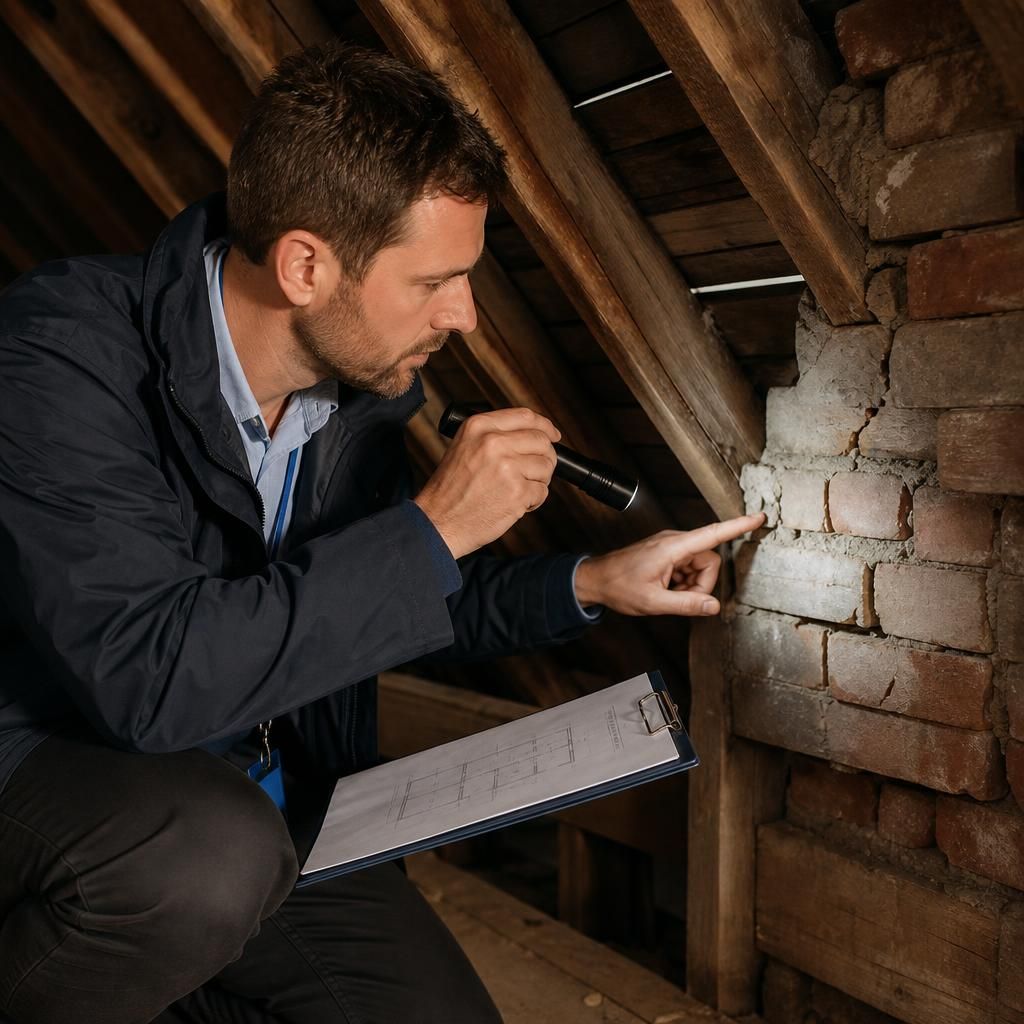
The inspection may identify inconsistencies between the property’s apparent condition and the value suggested by comparable homes. For example, a valuer could note signs of movement, damp, roof deterioration, defective rainwater goods, inadequate maintenance or obsolete services. These observations may affect the valuer’s opinion of market value, particularly where a purchaser would be likely to negotiate for the cost, risk or inconvenience of remedial work.
Some issues are more subtle than visible damage. A property may have been altered to create an extension, loft room, additional bathroom or converted outbuilding. The valuer may look for indications that the work does not correspond with the property’s original layout or available documentation. Missing completion certificates, building regulation approvals or planning consents can create uncertainty for a buyer and may affect marketability. The valuation report can record that uncertainty, although it does not replace a planning or building control investigation.
Legal and title matters can also influence the assessment. Examples include:
- access that depends on an informal arrangement or a shared route;
- rights of way, restrictive covenants or other title obligations;
- unclear ownership of boundaries, drives, gardens or outbuildings;
- lease terms, service charges or repair responsibilities for leasehold property;
- unresolved tenancy arrangements or occupation by someone other than the registered owner; and
- restrictions that limit development, use or future saleability.
A valuer will not normally establish the legal effect of each matter. Instead, the inspection and available documents may prompt a recommendation for the executor to obtain advice from the conveyancer. This distinction is important: a valuation can flag a risk, while legal professionals determine ownership, enforceability and the steps needed to resolve it.
Environmental and location-related factors may be relevant as well. The valuer can consider the surrounding setting, access, nearby land uses and any observable risks that could influence demand. Information about flood exposure, contamination, mining, subsidence or other environmental matters may need to be checked through specialist searches or reports. If reliable information is unavailable, the uncertainty itself may need to be reflected in the valuation assumptions.
For a probate valuation, the relevant assessment is usually connected with the property’s value at the required valuation date, rather than simply its condition on the day of inspection. The valuer may therefore consider historic photographs, maintenance records, dated listings, market evidence and information supplied by the executor. If the property has changed since the valuation date—for example, through repair, deterioration or clearance of contents—those later events do not automatically represent its earlier condition or value.
The report should distinguish between matters observed directly, information supplied by others and assumptions made because evidence is incomplete. This helps executors understand which findings are established and which need verification. A report may also identify limitations, such as restricted access to roof spaces, concealed services, locked rooms, stored belongings or unsafe areas. A lack of visible evidence in an inaccessible location should not be treated as proof that no defect exists.
Further investigations may be appropriate where the valuation points to a material concern. Depending on the issue, this could involve a structural engineer, drainage specialist, electrician, gas engineer, asbestos professional, damp specialist, planning consultant or solicitor. The cost and outcome of that work can then help the executors decide whether to repair the property, disclose the issue to prospective purchasers, challenge an assumption or obtain a revised valuation.
Executors should provide the valuer with relevant information before the inspection, including title documents, leases, planning papers, guarantees, notices, insurance claims, tenancy details and known repair history. They should also disclose matters that may not be visible, such as disputes with neighbours, water ingress after heavy rain or unresolved enforcement correspondence. Accurate background information gives the valuer a better basis for identifying inconsistencies and reduces the risk of an important qualification being overlooked.
Ultimately, a RICS probate valuation helps expose hidden issues by connecting observable evidence with market behaviour and documentary information. It does not guarantee that every concealed defect will be discovered, nor does it provide the same scope as a comprehensive building survey or legal due diligence. Where the report identifies a potentially significant problem, independent technical or legal advice should be obtained before the estate relies on the property’s condition or value.
The significance of a hidden property issue depends on its effect on market value and marketability, not simply on whether a defect or irregularity exists. A RICS probate valuation helps indicate whether a matter is likely to influence a typical purchaser’s offer, the conditions of a sale or the range of interested buyers.
For example, minor cosmetic deterioration may have limited valuation significance, while uncertainty about access, occupation, structural condition or the lawful status of an alteration may affect how confidently buyers can assess the property. The practical value of the report is therefore its indication of which findings could materially affect the estate’s valuation evidence and which are more appropriately treated as routine maintenance or matters for separate advice.