

What are the key steps involved in obtaining a RICS Valuation for Probate?
The key steps are to appoint a suitably qualified RICS Registered Valuer, provide the relevant property and estate information, arrange an inspection, and obtain a written valuation report. The executor or administrator can then use the report to support the probate application and, where applicable, inheritance tax reporting.
Obtaining a RICS Valuation for Probate involves establishing the correct valuation date and scope, formally instructing an independent RICS Registered Valuer, allowing the valuer to assess the property and relevant market evidence, and checking the completed report before using it in the estate administration. The valuation should be suitable for the legal and tax purpose for which it is required, rather than being treated as an informal estate-agent estimate.
1. Confirm the valuation date and purpose
The starting point is usually the date of death, because probate and inheritance tax calculations generally require the property’s market value at that date. The executor or administrator should confirm whether the report is needed for the probate application, inheritance tax reporting, estate accounts, a future sale, or more than one of these purposes. This matters because the valuer’s instructions, assumptions and wording need to reflect the intended use.
If the instruction is made after the date of death, the valuation may be retrospective. The valuer may therefore need to consider historic market conditions, comparable transactions close to the relevant date and the property’s condition at that time. A later inspection does not automatically show the property’s precise condition on the valuation date, particularly if alterations, deterioration or clearance work have taken place.
2. Check the valuer’s suitability and terms of engagement
The person undertaking the work should be a RICS Registered Valuer with appropriate experience in residential property and probate-related valuations. Before proceeding, the personal representative should review the written terms of engagement. These should identify the client, property, valuation date, purpose, basis of value, scope of work, fee, assumptions, limitations and intended recipients of the report.
It is also sensible to disclose any connection between the valuer and the deceased, beneficiaries, purchaser or other interested party. An independent valuation is more useful where the valuer can demonstrate impartiality and has no conflict that could affect the assessment.
3. Assemble the supporting estate information
The valuer’s assessment is strengthened by accurate legal and factual information. This can include the title details, tenure, lease terms where relevant, planning permissions, building regulation records, guarantees, details of alterations, notices affecting the property and information about rights of way or restrictions. If the property is let, the tenancy agreement, rental terms and relevant occupation details may also affect the analysis.
Documents do not replace the valuer’s professional judgement, but missing or contradictory information can lead to assumptions or qualifications in the report. The personal representative should identify anything unusual at the outset, such as defects, unauthorised works, access issues, shared ownership, development potential or legal disputes.
4. Enable the inspection and answer factual queries
The inspection allows the valuer to examine the accommodation, construction, condition, site, access and surrounding influences. Access should include relevant parts of the property and any outbuildings or land that form part of the estate. The valuer may ask follow-up questions after the inspection, especially where the physical evidence does not match the documents provided.
Where the valuation date is historical, the executor should explain any known changes between that date and the inspection date. Photographs, repair invoices, survey reports or correspondence held by the estate may help the valuer distinguish the property’s historic condition from its present state.
5. Allow the valuer to analyse market evidence
A RICS valuation is based on professional analysis rather than simply selecting the highest nearby sale price. The valuer normally considers comparable transactions and adjusts them for differences such as location, size, condition, specification, tenure, plot, parking and timing. The report should explain the reasoning sufficiently for the personal representative or tax adviser to understand how the conclusion was reached.
For unusual properties, there may be limited directly comparable evidence. In that situation, the valuer may use a broader evidence base and explain the assumptions made. Development potential, restrictive covenants, lease length, planning matters or defects can materially affect the conclusion.
6. Review the completed report
When the report is issued, check the property address, ownership description, valuation date, stated purpose, value conclusion and any assumptions or qualifications. Also check that material information supplied to the valuer has been reflected accurately. If a factual error is found, raise it with the valuer promptly and ask whether a corrected report or formal addendum is appropriate.
Questions about the professional conclusion should be distinguished from factual corrections. A valuer may maintain the original opinion after considering additional evidence, but the reasoning should be clear enough for the personal representative and relevant advisers to assess.
7. Use and retain the report within the estate administration
The final report can be passed to the solicitor, accountant or other adviser preparing the probate and tax documentation. It may support the declared property value, but the personal representative remains responsible for ensuring that the information submitted for the estate is complete and accurate. The report should be retained with the estate records, together with the instruction, documents supplied, correspondence and any later amendments.
If the property is subsequently sold for an amount that differs significantly from the probate valuation, the difference may need to be discussed with the estate’s tax adviser. A later sale price is not automatically proof that the original valuation was wrong, since market conditions, marketing circumstances, property changes and transaction terms may differ. However, significant new evidence should not be ignored.
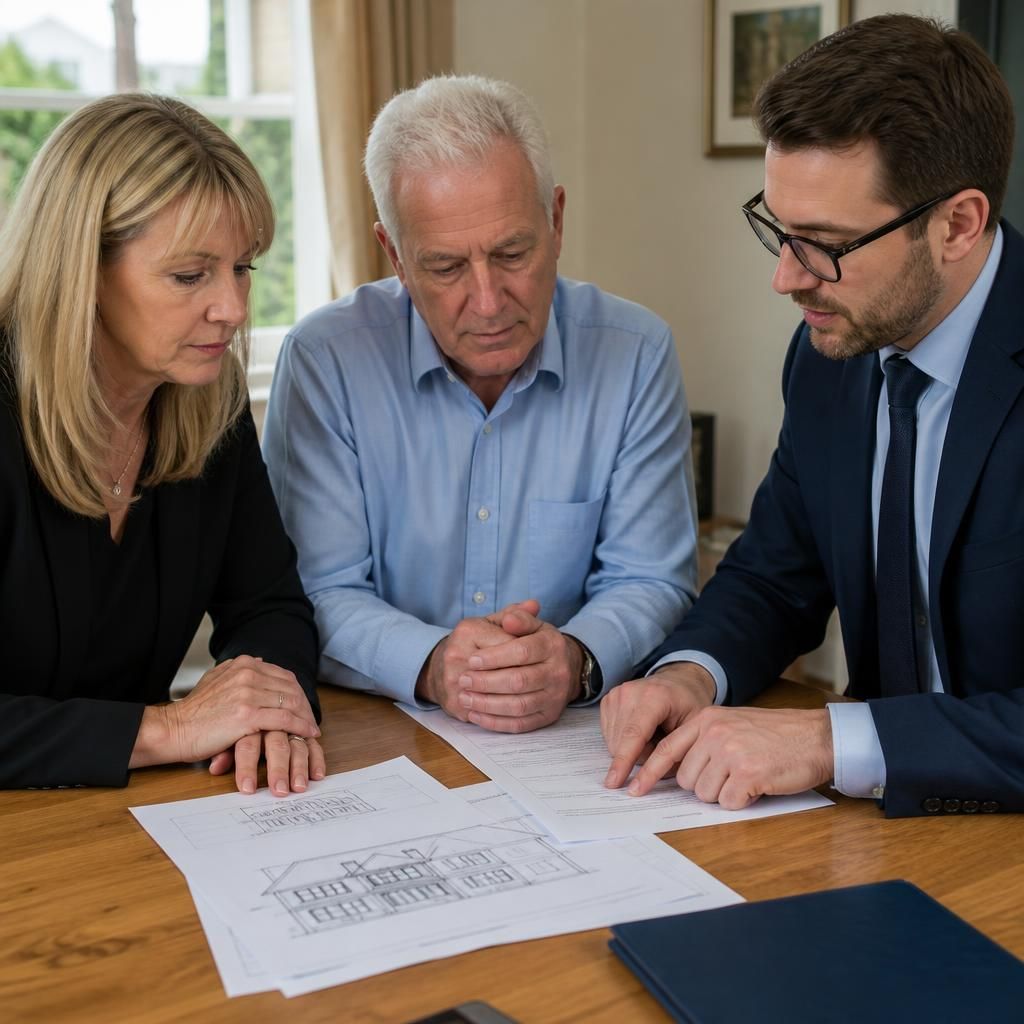
For a jointly owned property, the probate valuation may need to address the deceased’s specific ownership interest rather than treating the whole property as belonging to the estate. The legal title, beneficial ownership and form of co-ownership can all affect what is being valued.
The RICS Registered Valuer should be given the title documents, declaration of trust, ownership agreement and any information about the surviving owner’s rights. A property held as joint tenants may pass automatically to the surviving owner, whereas a share held as tenants in common will usually form part of the deceased’s estate. The valuation instruction should therefore state clearly whether it concerns the entire property or a defined share.
The personal representative should not assume that a simple mathematical fraction of the whole-property value is automatically the correct figure for an individual interest. Restrictions on sale, rights of occupation, co-owner arrangements and the marketability of the interest may require consideration. Legal and tax advice may be needed alongside the valuation to establish how the ownership interest should be reported.