

What role does a probate solicitor play in selling an inherited property?
A probate solicitor manages the legal aspects of selling an inherited property, confirming who has authority to sell and ensuring the estate can transfer good title to the buyer. They handle the required probate and conveyancing paperwork, address legal issues affecting the property, and guide the executor through exchange and completion.
A probate solicitor acts for the estate’s personal representative and makes sure an inherited property is sold lawfully, with the sale proceeds dealt with according to the will, the rules of intestacy and the estate’s outstanding obligations. Their role extends beyond preparing forms: they assess the estate’s legal position, identify issues that could delay a sale and advise the executor or administrator on the decisions required at each stage.
Confirming the personal representative’s position
The solicitor first establishes who is entitled to deal with the property. This may be an executor named in a will or an administrator appointed where there is no valid will. They will consider whether there are multiple personal representatives, whether all necessary people must act jointly and whether the will places any specific conditions on the property or its sale.
Where ownership is shared, the solicitor also checks how the property was held before the owner died. Joint ownership, a trust arrangement or a registered restriction can affect who has authority to sell and how the proceeds must be handled. If beneficiaries disagree about the sale, the solicitor can explain the legal position and advise on the risks of proceeding before the dispute is resolved.
Reviewing title and property issues
A probate solicitor examines the Land Registry title and related records for matters such as restrictions, charges, rights of way, leases, planning issues and covenants. They also check whether a mortgage or other secured borrowing remains on the property and arrange for valid liabilities to be dealt with from the sale proceeds where appropriate.
This review is particularly important where the property has been empty, altered without clear records or occupied by someone other than the deceased. The solicitor will advise on what must be disclosed to the buyer and how to address missing documents, unregistered land, boundary concerns or an existing tenancy. They may recommend specialist advice where the issue involves planning, construction, environmental matters or a contested estate.
Managing the estate’s financial responsibilities
The solicitor helps the personal representative understand how the sale fits into the wider administration of the estate. This can include identifying debts, obtaining redemption figures for borrowing, keeping a record of sale-related costs and ensuring that money received belongs to the estate rather than to an individual beneficiary.
Inheritance Tax and other tax questions may also need attention. A probate solicitor can gather the relevant information, explain which figures affect the estate and work with an accountant or tax adviser where specialist tax advice is needed. The property’s sale price does not automatically determine the estate’s final tax position, particularly if the property changes in value between the date of death and the sale.
Preparing the sale correctly
Once the legal position is clear, the solicitor deals with the property transaction itself. Their work can include:
- checking that the proposed seller is named correctly in the contract;
- preparing or reviewing the sale contract and property information;
- confirming what fixtures, fittings and items are included;
- responding to enquiries raised by the buyer’s legal representative;
- ensuring that any mortgage, restriction or estate-related requirement is addressed; and
- checking that the completion statement accounts for the price, deductions and sums due.
The personal representative must answer property questions honestly and to the best of their knowledge. A solicitor can explain the questions and help identify information held in the estate’s records, but they cannot give assurances about matters that have not been verified. This is why documents such as guarantees, planning approvals, tenancy agreements and certificates should be located where possible.
Co-ordinating beneficiaries and other parties
Where several beneficiaries are involved, the solicitor can keep the administration organised and clarify when sale proceeds may be distributed. Beneficiaries do not normally replace the personal representative as the person responsible for the transaction, although the will or a legal dispute may affect the position.
The solicitor may also communicate with the buyer’s solicitor, the lender, the Land Registry, insurers and professionals dealing with the estate’s tax or valuation matters. If someone is living in the property, they can advise on the legal steps needed to obtain vacant possession and reduce the risk of a last-minute problem.
What changes when the buyer is paying cash?
A cash purchase does not remove the need for a probate solicitor. Although there is no mortgage lender’s legal requirements to satisfy, the buyer still needs evidence that the seller can transfer the property and that the title is acceptable. Standard checks, contract requirements and the proper discharge of estate liabilities still apply.
A cash sale can therefore reduce one category of transaction requirements, but the probate position, title defects, missing information or disagreements between personal representatives may remain. The solicitor should identify these issues early rather than treating the absence of a mortgage as a reason to omit legal checks.
Different rules across the UK
The terminology and procedure depend on where the property is situated. In England and Wales, the relevant authority is generally a grant of probate or letters of administration. In Scotland, the estate process uses confirmation and has different rules on property, succession and conveyancing. Northern Ireland also has its own probate procedures. A solicitor familiar with the jurisdiction where the property is located can confirm which authority and documents apply.
In practical terms, the solicitor’s job is to make the sale legally effective and ensure the personal representative understands the consequences of each decision. They do not replace the executor’s responsibility, and they cannot remove every possible delay, but they provide the legal structure needed to sell the inherited property and account properly for the resulting funds.
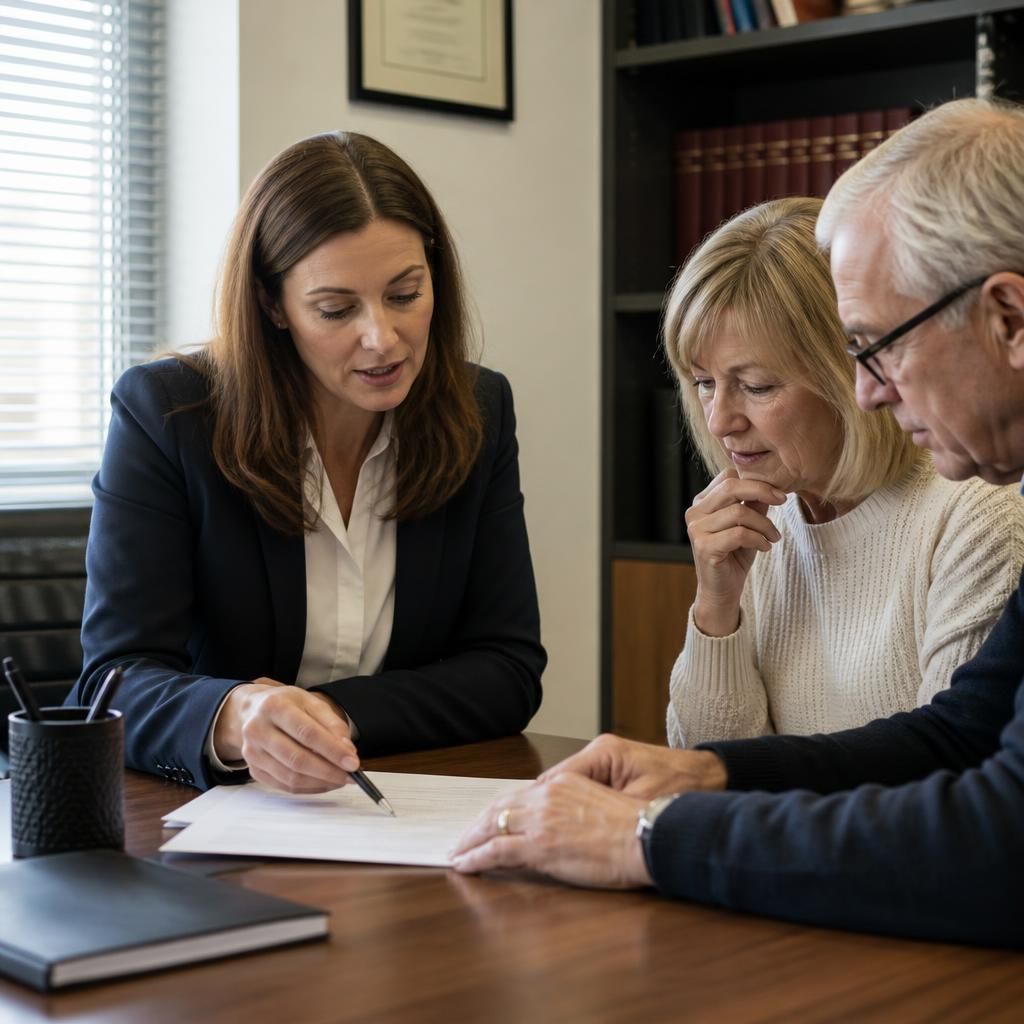
A probate solicitor provides legal support for the transaction, rather than marketing the property or negotiating its commercial value. An estate agent may handle valuation, advertising, viewings and offers, while the probate solicitor makes sure the proposed sale can legally proceed and that the contract reflects the estate’s position.
The solicitor also acts as a point of coordination between the personal representative, the buyer’s conveyancer and other professionals involved in the estate. This helps separate decisions about the property’s price from decisions about authority, title and the lawful treatment of the sale proceeds. The personal representative remains responsible for approving the sale and giving accurate information about the property.