
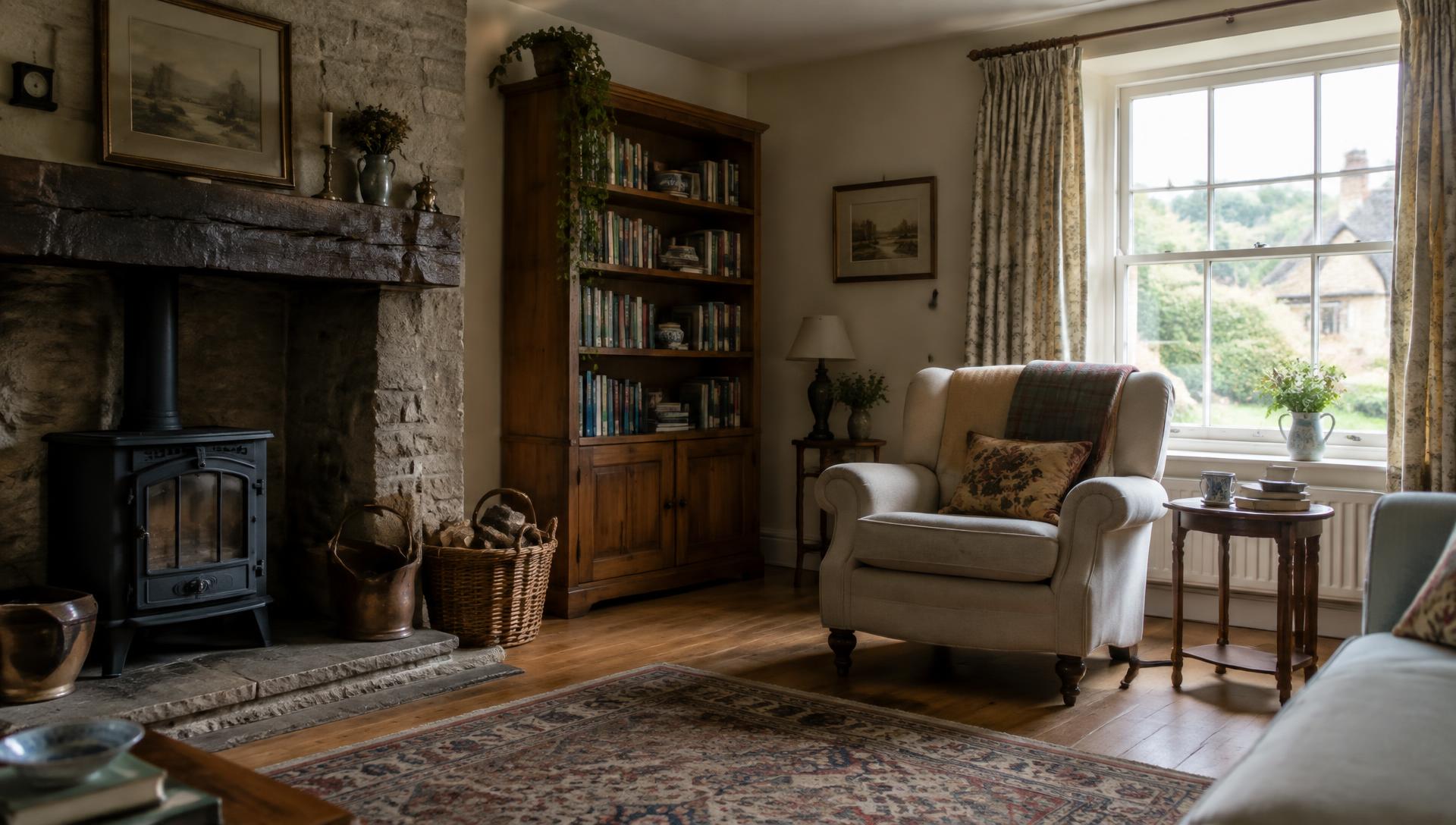
How does the 'as-is' condition affect the valuation of a probate home?
An ‘as-is’ probate home is valued in its current condition, so its price may be lower than that of a comparable property in good repair because the buyer must account for renovation costs, defects and associated risk. A cash valuation should therefore consider the property’s condition alongside its location, size, market demand and any probate-related complications.
An ‘as-is’ condition usually lowers a probate home’s valuation because the assessment is based on what exists at the date of inspection, rather than on the value the property might achieve after refurbishment. The adjustment should reflect the severity of the work, the uncertainty surrounding defects and the effect those issues have on the number of buyers able or willing to proceed.
A valuer or cash buyer will normally examine the property’s physical condition and compare it with similar homes that have recently sold. The comparison must be adjusted for differences such as:
- Structural movement, subsidence, roof failure or significant damp;
- The age and condition of plumbing, wiring, heating and drainage;
- The state of kitchens, bathrooms, windows, doors, flooring and decoration;
- External repairs, garden maintenance, boundary problems and access;
- Fire, gas or electrical safety concerns;
- Unusual construction methods or a property that requires specialist work; and
- Whether the home can be occupied, insured and resold without further action.
The likely cost of putting the property into a saleable or habitable state is an important part of the calculation, but it is not necessarily deducted pound for pound. A buyer may also account for professional fees, clearance, project management, the possibility of discovering further defects and the risk that work will cost more than expected. A property requiring substantial work can therefore receive a larger adjustment than a simple total of visible repair invoices would suggest.
Probate can add separate valuation considerations even where the building itself is in reasonable condition. For example, the valuer may need to establish whether the sellers have authority to complete the transaction, whether a grant of probate has been issued, whether there are multiple personal representatives and whether vacant possession will be available. An occupied property, an existing tenancy, restrictions on the title or uncertainty over ownership can affect the pool of potential purchasers and the terms of an offer. These are transaction risks rather than physical defects, but they may still influence an as-is valuation.
Condition evidence is especially important when the property has been vacant. Lack of heating and ventilation can contribute to damp, while neglected gutters, plumbing leaks or frozen pipes may cause damage that was not present when the owner occupied the home. Contents, waste and personal belongings can also affect the practical cost of preparing the property for sale. A buyer assessing the home in its current state may include clearance and inspection costs in the calculation.
A reliable assessment should distinguish between:
- Visible defects: problems that can be identified during an inspection, such as damaged roof coverings or outdated fittings;
- Suspected defects: signs that require specialist investigation, such as staining that may indicate concealed damp or cracking that may indicate movement; and
- Unknown risks: matters that cannot be confirmed without opening up structures, testing services or reviewing documents.
Where information is incomplete, the valuation may be more cautious. A recent survey, structural report, drainage inspection or written quotation can reduce uncertainty, although it does not remove the need for the buyer to carry out independent checks. Planning permissions, building regulations certificates, guarantees and records of previous repairs may also support the assessment by showing what work has been completed and whether it was properly authorised.
The probate home should be compared with genuinely comparable evidence. A renovated property in the same area is not a direct like-for-like comparison with a house that needs rewiring, a new roof or extensive clearance. Useful evidence includes recently sold properties of similar size, type, location and condition. Asking prices can provide context, but they do not prove what a buyer will pay.
For an executor, the main practical issue is understanding how an as-is offer has been reached. Ask for the assumptions behind the figure, including which defects have been identified, what work has been allowed for and whether legal or possession issues have affected the calculation. It is also sensible to disclose known problems and provide relevant reports rather than allowing uncertainty to be priced into the offer unnecessarily. Concealing a material defect can lead to renegotiation, delay or a dispute.
A cash sale can be considered where the estate does not want to arrange repairs before marketing the property. The convenience of transferring the home without completing refurbishment should be weighed against the price offered and the estate’s duties to beneficiaries. Independent legal and valuation advice can help executors decide whether the proposed figure is reasonable, particularly where the beneficiaries disagree or the property has significant defects.
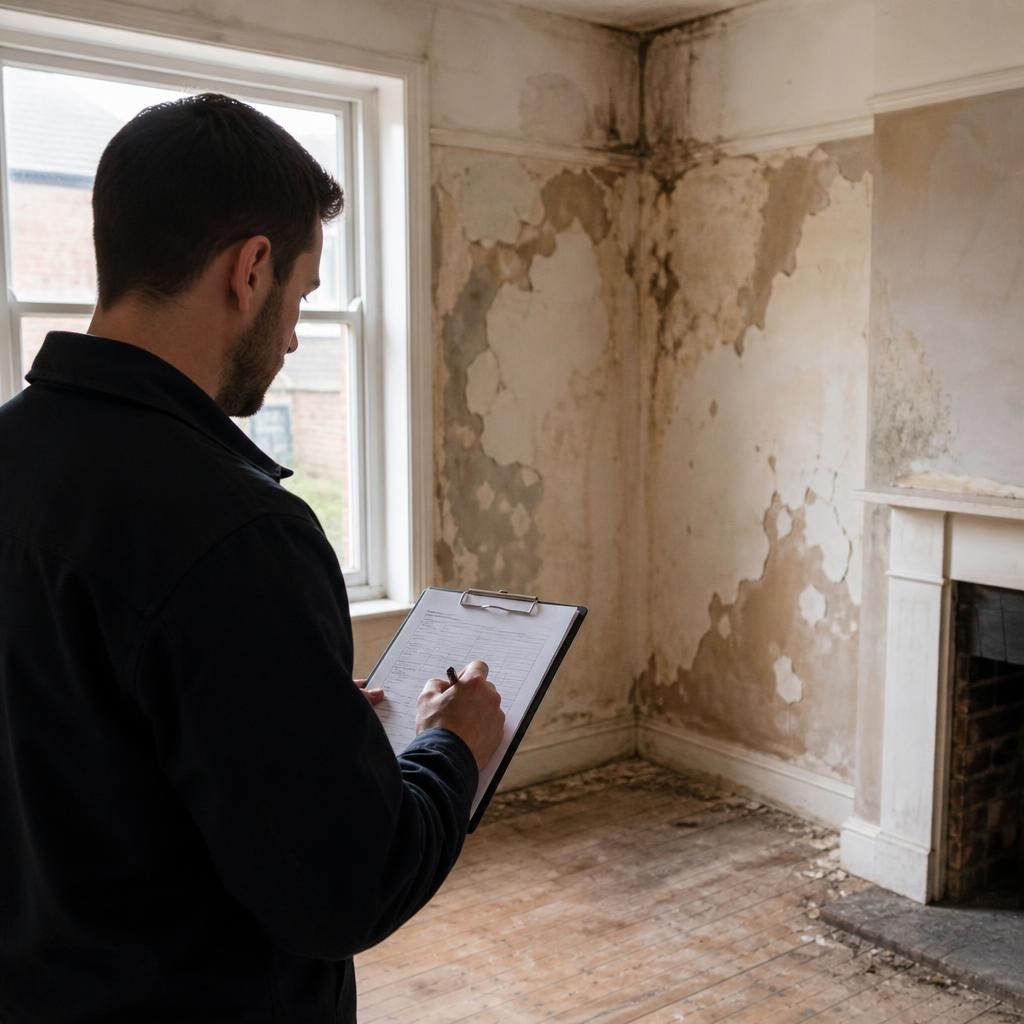
An ‘as-is’ valuation is a snapshot of the probate home’s condition at the time it is inspected. It is not automatically a fixed figure if the property deteriorates, is cleared, altered or becomes inaccessible before contracts are exchanged and completed.
Executors should keep a record of the property’s condition, including dated photographs, inspection findings and details of any repairs or removal of contents carried out after the valuation. If a roof leak, burst pipe or other material issue occurs later, the buyer may need to reassess the offer because the assumptions behind the original valuation have changed.
The sale documents should make clear which fixtures, fittings and contents are included, whether the property will be vacant on completion and who is responsible for preventing further deterioration. Recording these points reduces uncertainty and helps distinguish a genuine change in condition from a disagreement about the original as-is assessment.