

How is the property's market value assessed without an estate agent?
A property’s market value can be assessed without an estate agent by analysing recent comparable sales, location, size, condition, improvements and current buyer demand. For a probate property, the assessment should also account for its legal status and any repairs or clearance needed before a cash offer is made.
The market value of a property can be assessed without an estate agent by combining documented market evidence, property information and a review of the proposed transaction terms. A cash buyer then uses that assessment to distinguish the property’s underlying value from the amount that can reasonably be offered for a direct purchase.
Market value is an estimate of what the property could achieve in an appropriate open-market transaction on a specified valuation date. It is not automatically the same as a cash offer. A direct sale may involve different timescales, conditions and risks from a conventional sale, so the offer should be based on clearly stated assumptions rather than an unexplained reduction.
The assessment normally considers:
- Property records: The title register, tenure, lease terms, restrictive covenants, rights of way and any recorded charges can affect the property’s saleability and value.
- Planning and building information: Extensions, conversions and other alterations should be checked against available planning permissions, building regulation records and any outstanding enforcement matters.
- Occupancy and possession: Whether the property is vacant, occupied by tenants or subject to another arrangement affects the practical route to completion and the assumptions used in the valuation.
- Valuation date: The conclusion should reflect the market at the time of assessment. A valuation prepared earlier may not represent the position when an offer is made.
- Transaction assumptions: The buyer should identify whether the assessment assumes vacant possession, clear title, particular completion conditions or information still to be verified.
Instead of relying on an estate agent’s suggested asking price, a direct buyer can review available property records, inspect the available details and compare the result with independent valuation evidence. Automated valuation tools may provide an initial indication, but they should not be treated as conclusive where a property has unusual tenure arrangements, planning history or probate-related circumstances.
For a probate property, the person handling the estate should provide accurate information about the property and identify any matters that could affect the proposed transaction. The assessment can then be revised if new information emerges. This is important because an offer made before key facts are verified may be based on assumptions that later change the calculation.
A transparent cash valuation should show how the proposed figure has been reached. It should separate the estimated property value from any agreed deductions, such as transaction costs or specifically identified work, and explain whether those deductions are fixed or subject to further verification. The seller can then compare the offer with other possible routes without confusing a gross market estimate with the amount they would actually receive.
Independent advice can also be useful. A probate representative may ask a chartered surveyor or another suitably qualified property professional for a separate valuation, particularly where beneficiaries need supporting evidence or the property is difficult to assess. That external opinion does not replace the buyer’s own due diligence, but it provides a useful benchmark when reviewing a direct cash offer.
Assessing value without an estate agent therefore depends on evidence, stated assumptions and a clear explanation of the offer rather than on an advertised asking price alone. The seller should review the proposed figure alongside the contract terms, deductions and any conditions before deciding whether the direct sale is suitable.
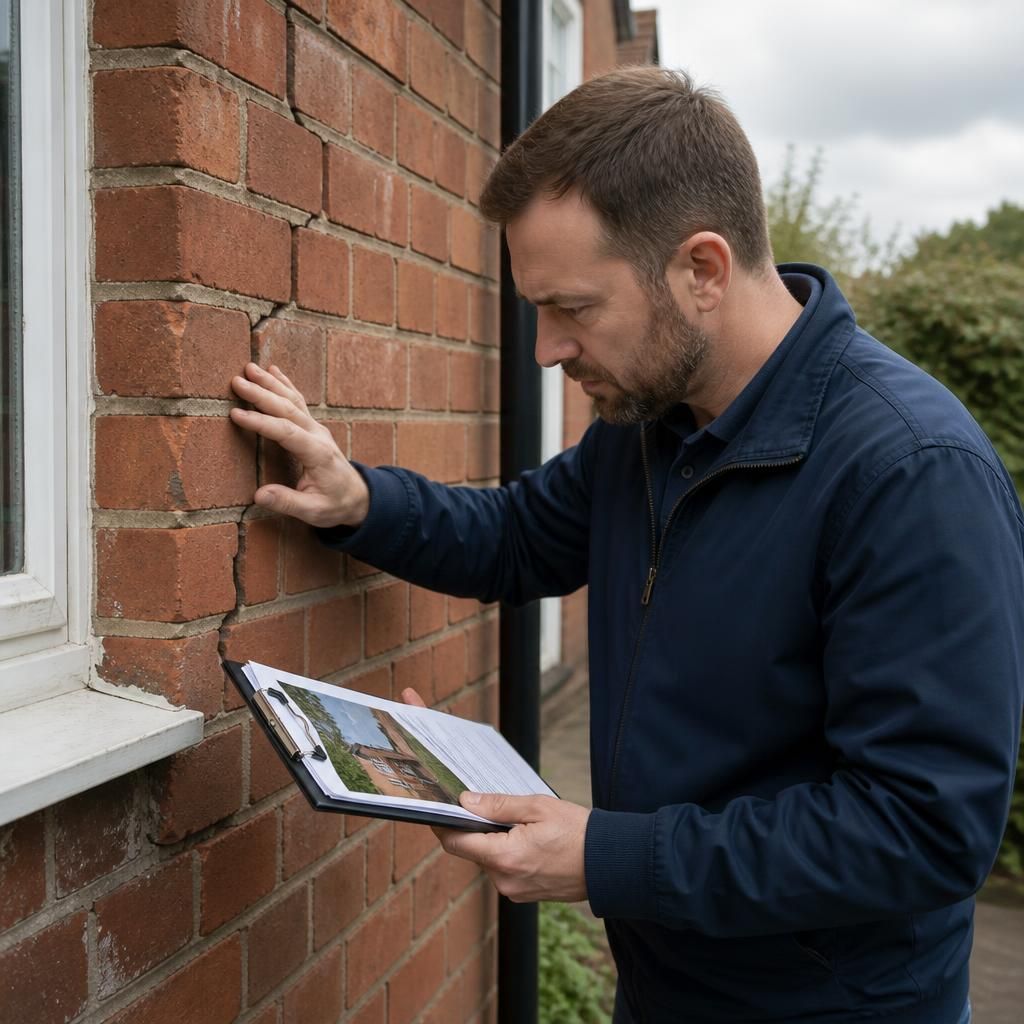
Property condition should be assessed by separating visible defects from risks that require further investigation. Photographs, survey reports, invoices, guarantees, energy performance information and details of previous works can help establish the state of the property without relying on an estate agent’s description.
Where a defect such as damp, structural movement or a failed installation cannot be properly assessed from the available information, its effect on value should be explained as an allowance or stated uncertainty rather than an arbitrary discount. A transparent assessment should identify whether any figure for remedial work comes from evidence, a contractor’s estimate or a provisional assumption, and clarify whether it could change after a further inspection.