

What are the main steps involved in selling a probate property for cash?
Selling a probate property for cash usually involves confirming the executor’s authority, obtaining the Grant of Probate, preparing the required property information, arranging a valuation, agreeing the cash offer, completing conveyancing checks and signing the contract before completion. The sale cannot normally complete until the legal representative has authority to sell and the buyer’s solicitor has received satisfactory documentation.
Selling a probate property for cash is a staged legal and commercial process, not simply an agreement to accept money for the house. The key stages are deciding that a cash sale is suitable for the estate, organising the personal representatives and beneficiaries, checking the property and title, assessing the buyer and offer, instructing the conveyancers, managing exchange and completion requirements, and dealing with the estate after the sale.
- Decide whether a cash sale is appropriate for the estate
Consider why the property is being sold and whether the estate would benefit from a straightforward transaction rather than marketing the property through an estate agent. Relevant factors can include the condition of the house, mortgage or other secured borrowing, ongoing insurance and maintenance costs, occupation by tenants or family members, and whether the beneficiaries need the estate to be converted into cash. A cash sale may reduce the reliance on a conventional mortgage-funded purchaser, but it does not remove the need for legal checks. - Coordinate the people responsible for the estate
All personal representatives should understand the proposed transaction and how decisions will be made. The executor or administrator normally communicates with the buyer and conveyancer, while beneficiaries may need to be kept informed under the terms of the will or the estate administration. Before accepting an offer, resolve practical disagreements about the asking price, the contents of the property, repairs, access and the distribution of sale proceeds. A written record of important decisions can help prevent disputes later. - Investigate the property’s condition, occupation and title
Identify matters that could affect the transaction before agreeing final terms. These may include structural defects, Japanese knotweed or other environmental concerns, outstanding planning issues, boundary disputes, leasehold restrictions, service-charge arrears, tenants’ rights, or belongings that must be removed. Check whether anyone occupies the property and establish what vacant-possession arrangements, if any, are required. The buyer should receive accurate information rather than relying on assumptions about the house. - Check the cash buyer and the proposed terms
Assess more than the headline offer. Ask how the buyer is funded, whether evidence of available funds can be provided, who the contracting party is, and whether the buyer intends to sell the contract or introduce another purchaser. Confirm the proposed price, deposit, fixtures and fittings, completion arrangements and any conditions attached to the offer. It is sensible to establish the buyer’s identity and ensure that the buyer’s solicitor is properly instructed. A higher offer is not necessarily the strongest option if it contains uncertain funding or extensive conditions. - Instruct a conveyancer experienced in estate sales
Use a solicitor or licensed conveyancer who understands probate transactions and can act for the estate. They will review the registered title, deal with restrictions or charges, raise and answer enquiries, and explain which matters must be resolved before exchange. If the property is leasehold, additional information may be needed from the freeholder or managing agent. If there is a mortgage, equity-release arrangement, bankruptcy restriction or other charge, the conveyancer should establish how it will be dealt with from the sale proceeds. - Agree the contract position and prepare for exchange
Once the buyer’s investigations are satisfactory, the parties can settle the contractual terms. Make sure agreed inclusions and exclusions are recorded, particularly where the property contains furniture, personal possessions or items mentioned in the will. Do not treat an accepted offer as the same as a binding sale: in England and Wales, the transaction generally becomes binding on exchange of contracts. The personal representative should only authorise exchange after receiving appropriate legal advice and being satisfied that the contract reflects the estate’s decision. - Complete the sale and account for the proceeds
On completion, the conveyancer deals with the transfer, repayment of secured borrowing and payment of approved sale-related costs from the proceeds. The property should be handed over in the condition and with the possession arrangements agreed in the contract. Afterwards, retain the sale documents, completion statement and records of expenses. The personal representative can then use the net proceeds when administering the estate, including settling liabilities and distributing funds in accordance with the will or intestacy rules.
Scotland uses a different legal framework, including the terminology of confirmation rather than the Grant of Probate used in England and Wales. The precise procedure can also differ in Northern Ireland. The estate’s conveyancer should therefore confirm the applicable rules for the property’s location before any binding commitment is made.
A cash buyer can make the funding structure more direct, but it does not bypass identity checks, title investigations, estate administration or the seller’s legal responsibilities. The safest process is one in which the representative, beneficiaries where relevant, buyer and conveyancers have a clear written understanding of the price, conditions, possession arrangements and treatment of the proceeds.
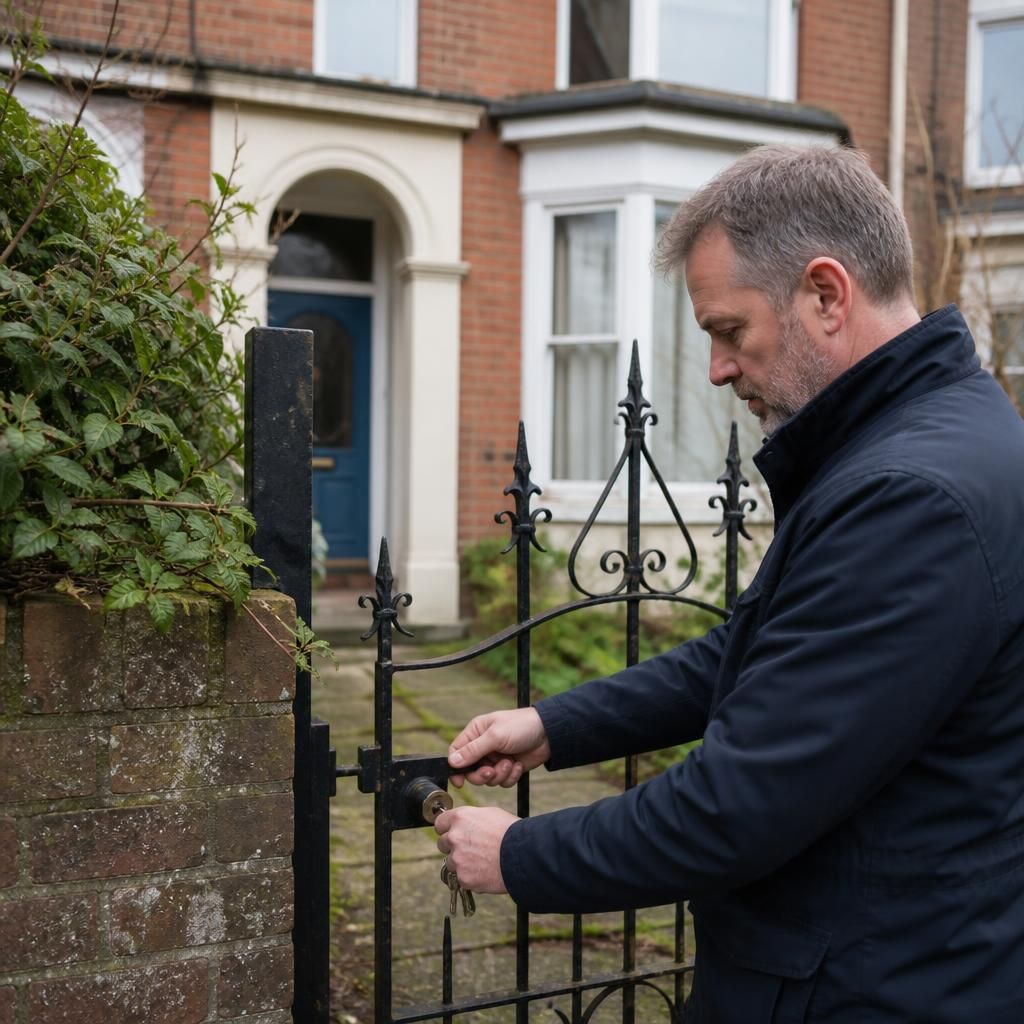
Protect the property between acceptance and completion. Probate homes may be empty while the sale is being arranged, so the personal representative should continue meeting any insurance, security and maintenance requirements. Keep the property secured, deal with leaks or other urgent defects, arrange meter readings where appropriate, and inform the insurer that the home is unoccupied if required by the policy.
Responsibility for damage can change during the transaction, particularly after exchange of contracts. The conveyancer should confirm who carries the risk, what insurance must remain in place and what condition the property must be in at completion. Recording these arrangements helps prevent disputes if the house is damaged or belongings are removed before the buyer takes possession.