
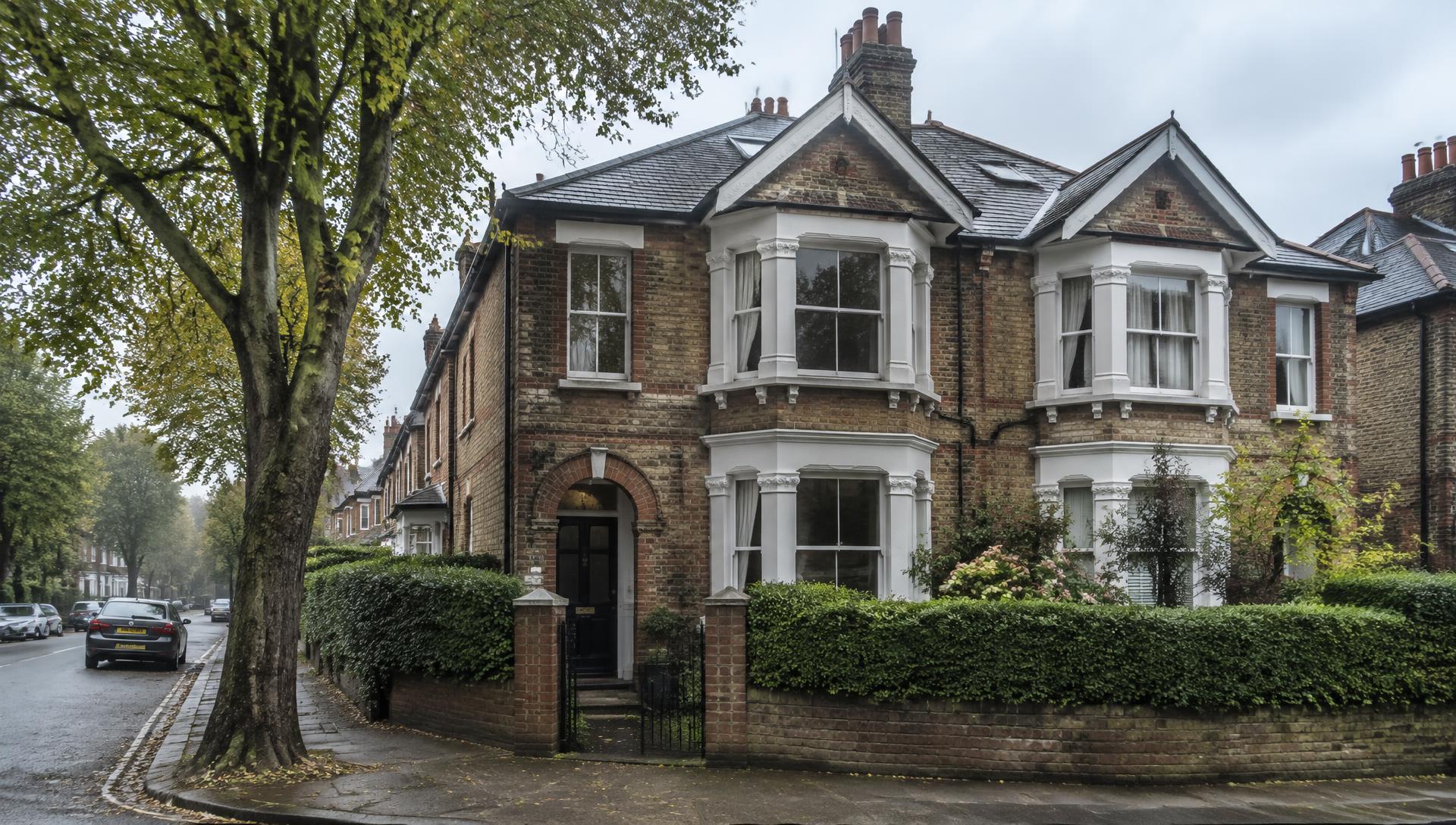
How does the probate process affect the sale of an inherited property?
Probate affects the sale of an inherited property by confirming who has legal authority to deal with the estate. The property can often be valued and marketed beforehand, but the sale usually cannot complete until the required Grant of Probate or Letters of Administration has been issued, unless an applicable legal exception applies.
Probate affects an inherited property sale by placing the property within the administration of the deceased person’s estate. Before the sale can proceed, the personal representatives must establish their authority, identify the beneficiaries, deal with estate liabilities and make sure the transaction is properly documented. The exact procedure depends on the UK jurisdiction and the wording of the deceased’s will.
Who deals with the property? The person appointed as executor in the will normally takes responsibility for the property. If there is no valid will, or the named executor cannot act, an administrator may need to be appointed. Executors and administrators are collectively known as personal representatives. They are responsible for protecting the property, arranging its valuation, making decisions in the estate’s interests and accounting for the sale proceeds.
Where there is more than one executor, all relevant parties may need to approve or sign documents. Disagreement between personal representatives or beneficiaries can delay decisions, particularly where one person wants to sell and another wants to retain the property. A solicitor can explain whether authority can be delegated or whether a formal application or court direction is needed.
The main stages affecting the sale Usually, the personal representatives will need to:
- locate and review the will, if one exists;
- identify the property and confirm how it was owned;
- obtain a suitable valuation for estate administration purposes;
- check whether there is a mortgage, charge, restriction, leasehold obligation or other liability connected with the property;
- apply for the appropriate probate document or other authority;
- market the property and consider offers in accordance with their duties;
- complete the conveyancing process and transfer the net proceeds into the estate account; and
- pay valid debts and distribute the remaining funds to the beneficiaries under the will or intestacy rules.
These steps do not always happen in a strict sequence. For example, a valuation, repairs, clearance and property marketing may begin while the application is being prepared. However, the conveyancer handling the transaction must be satisfied that the person signing the contract has the right authority to sell and that any conditions attached to the sale can be met.
Why the property may be dealt with before probate A property can require attention before the formal grant is available. It may need to be secured, insured, inspected, cleared or maintained. Personal representatives may also obtain professional valuations and consider offers during this period. These actions do not necessarily mean that the sale itself can be completed immediately. The estate’s solicitor should confirm which steps are permissible and whether a proposed contract should be conditional on the necessary authority being issued.
Early preparation can reduce avoidable delay. Useful documents may include the title information, the will, death certificate, mortgage details, insurance records, tenancy agreements, service-charge statements and details of any outstanding bills. Missing paperwork can create further enquiries during conveyancing, particularly where the property is leasehold, jointly owned or subject to restrictions.
Joint ownership creates additional issues The deceased may have owned the property as a joint tenant or as a tenant in common. If it was held as a joint tenancy, the deceased’s interest will commonly pass to the surviving owner outside the will, although the title and estate records still need to be checked. If it was held as tenants in common, the deceased’s share usually forms part of the estate and may need to be dealt with under the will or intestacy rules. The Land Registry position and the ownership documents should be reviewed before the property is marketed.
Beneficiaries do not always become the sellers An inherited property is not automatically transferred into each beneficiary’s name before it is sold. In many cases, the personal representatives sell the property as part of the estate and distribute the proceeds afterwards. This can be more straightforward than transferring the property first, but the correct approach depends on the will, the ownership structure and the beneficiaries’ agreement. A beneficiary who wants to buy the property may need an independent valuation and clear records showing that the estate has been treated fairly.
What happens if the estate owes money? Sale proceeds may be needed to pay secured borrowing, funeral expenses, utility bills, professional fees and other valid debts before beneficiaries receive anything. Personal representatives should not distribute the estate simply because a sale has completed if liabilities remain unresolved. If the estate may be insolvent, specialist legal advice is important because creditors’ claims can take priority over beneficiaries’ interests.
How a cash sale can fit into the process Selling to a cash property buyer can remove some issues associated with a buyer who is dependent on a mortgage, but it does not remove the estate’s legal requirements. The buyer and conveyancers will still need evidence of authority, title information and a properly prepared contract. If probate has not been finalised, the proposed terms may need to allow for the relevant authority to be obtained before completion. A cash offer should therefore be assessed alongside the property’s value, condition, costs and the estate’s legal position rather than on speed alone.
Before accepting an offer, personal representatives should confirm whether all executors agree, whether any beneficiary has a claim or occupation right, whether the property is insured and whether the sale price reflects its condition and local market evidence. Keeping written records of valuations, offers and decisions helps demonstrate that the representatives acted properly and supports the final estate accounts.
Probate therefore affects more than the date on which an inherited property can be sold. It determines who can act, what checks are required, how the property is valued and marketed, how debts are settled and how the eventual proceeds are distributed. Where the ownership, will or family circumstances are complicated, advice from a probate solicitor and conveyancer should be obtained before committing the estate to a sale.

Probate terminology differs across the UK, so the document needed to deal with an inherited property depends on where the estate is being administered. In England and Wales, this is commonly a Grant of Probate where there is a will, or Letters of Administration where there is not. Scotland generally uses Confirmation, while Northern Ireland has its own grant process.
This distinction matters because a conveyancer and buyer will need evidence that the person selling has authority under the relevant jurisdiction’s procedure. Using the wrong terminology or application route can create additional enquiries and delay the transaction. The property’s title, the deceased’s ownership and the terms of the will should therefore be checked alongside the probate documents rather than treated as separate matters.
Where a buyer is considering a cash purchase, the same jurisdiction-specific checks still apply. A cash offer may avoid mortgage-related conditions, but it does not replace the grant, confirmation or other evidence required to establish the estate’s authority to sell.