

How can I determine the market value of an inherited property for sale?
Determine the market value of an inherited property by obtaining an independent valuation, comparing recently sold similar properties in the local area, and allowing for the home’s condition, location, size and any legal or structural issues. Use the evidence to establish a realistic sale price rather than relying solely on an online estimate or the deceased owner’s purchase price.
The market value of an inherited property is the price it could reasonably achieve on the open market at a specified date, assuming a willing buyer and seller and no unusual pressure to complete the transaction. A reliable figure is established by combining professional advice with documented evidence, then adjusting the result for the property’s individual circumstances and the conditions affecting its sale.
Start by identifying the valuation date
Value changes over time, so make clear whether the figure is needed for a potential sale, estate administration or another purpose. A valuation prepared at the date of death may not represent the amount the property could achieve when the beneficiaries decide to sell. For a sale, the most useful assessment is generally one that reflects current market conditions and the property’s state when it will be marketed.
Keep a written record of the valuation date and the information supplied to the valuer. This creates a clearer audit trail if the figure is later queried by beneficiaries, executors, professional advisers or a purchaser.
Obtain more than one professional opinion where appropriate
An estate agent’s appraisal can provide useful local market insight, particularly where the agent regularly handles similar homes. A surveyor who is qualified to carry out valuations can provide a more formal assessment. These are not interchangeable: an asking-price recommendation is intended to support marketing, whereas a formal valuation follows a defined basis and may involve greater examination of the property and supporting evidence.
If opinions differ, do not simply choose the highest figure. Ask each professional to explain the evidence used, the valuation date, the assumptions made and any matters that could affect the result. A substantial difference may indicate that the opinions use different assumptions rather than that one valuation is automatically wrong.
Use completed sales, not just advertised prices
Advertised prices show what sellers hope to achieve. Completed transactions provide stronger evidence because they show an agreed price, although the circumstances of each transaction still need to be considered. Useful research can be carried out through publicly available property transaction records and local market reports, supplemented by professional advice.
When reviewing a comparable sale, record:
- the completion date and how recently it occurred;
- the type of transaction and whether there were unusual circumstances;
- whether the property was vacant, occupied or subject to a tenancy;
- the tenure and any lease details;
- the layout, accommodation and notable features; and
- any clear differences that could justify an adjustment.
Several reasonably comparable completed sales are more useful than one apparently similar example. Evidence from a different neighbourhood or a substantially different type of property should not be treated as directly interchangeable without an explanation.
Check tenure, title and occupancy information
Market value is affected by more than the physical home. Review the title and other property documents for matters such as freehold or leasehold tenure, restrictive covenants, rights of way, access arrangements, boundary questions and charges. For a leasehold property, the remaining lease term, service charge arrangements, ground rent provisions and any planned major works may influence buyer interest and mortgageability.
Find out whether the property is vacant, occupied by a tenant or subject to another right of occupation. A sale with vacant possession may be valued differently from a sale where an occupier remains. Tenancy agreements, notices, rent records and relevant correspondence should be available to the professional assessing the property.
Assess issues that may limit the buyer pool
Some matters do not necessarily make a property unsaleable, but they can reduce the number of interested buyers or affect the type of finance available. Examples include unresolved planning or building-control matters, unusual construction, access disputes, contaminated land concerns, subsidence history and incomplete alterations. The valuer should be told about known issues rather than being expected to discover every matter independently.
Where a problem is documented, obtain a realistic estimate of the remedial work and establish whether any consent, certificate or specialist report is available. Avoid treating the cost of work as an automatic pound-for-pound reduction: the effect on value can also depend on disruption, risk, buyer demand and whether the work is essential before a lender will proceed.
Distinguish value from asking price and sale proceeds
Market value is an evidence-based estimate, not a guaranteed selling price. The asking price is a marketing decision and may be set above, below or close to the assessed value depending on the selling strategy. The eventual price can also be influenced by the time on the market, buyer competition, negotiation and the condition revealed during conveyancing or surveys.
Calculate the likely net proceeds separately. Allow for professional fees, conveyancing costs, mortgage or other secured debt, clearance, repairs agreed during negotiations and any applicable tax or estate expenses. These deductions do not change the property’s market value, but they determine how much money the estate or beneficiaries may actually receive.
Reconcile the evidence before agreeing a figure
Prepare a short valuation file containing professional reports, comparable-sale notes, title information, photographs, inspection details and records of known defects. Then compare the evidence and identify:
- the valuation range supported by the strongest evidence;
- assumptions that still need confirming;
- information that could cause the figure to change; and
- the reasons for selecting the proposed marketing price.
If several beneficiaries are involved, sharing this evidence before the asking price is agreed can reduce disputes. The decision should be based on the property’s evidence and the estate’s objectives, rather than on one beneficiary’s preferred figure.
A direct offer from a cash buyer can be considered as an alternative to open-market marketing, but it should be compared with the assessed market value and the terms of the proposed transaction. Look beyond the headline offer and check deductions, conditions, proof of funds, the proposed contract and whether the buyer expects any price renegotiation. This provides a more meaningful comparison between a cash-sale proposal and the likely net proceeds from a conventional sale.
Finally, review the valuation if the property remains unsold for a significant period, if market conditions change or if new information emerges about the title, occupation or required work. Keeping the assessment tied to a clear date and transparent evidence makes it easier to explain and update.
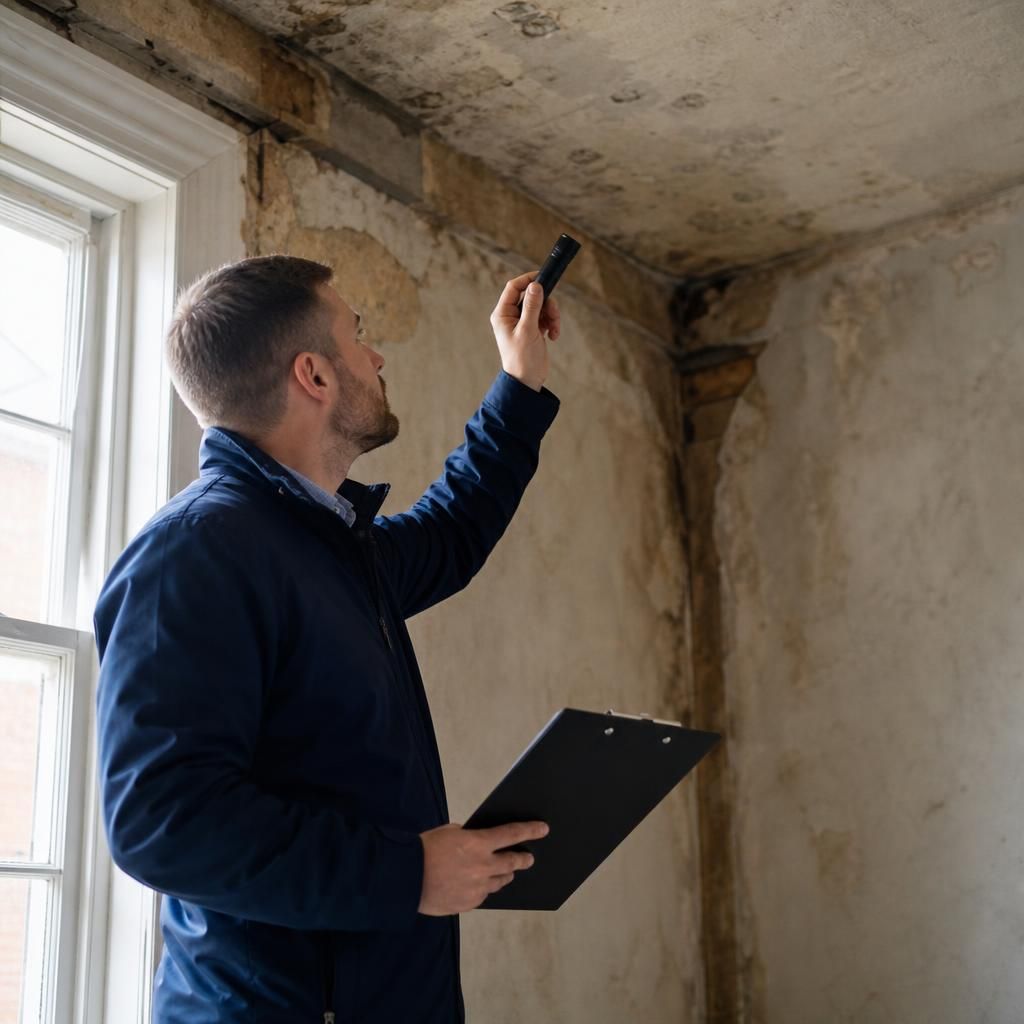
A physical inspection is often more reliable than an online estimate when valuing an inherited property. The valuer can verify the accommodation, take measurements, assess the condition of the building and identify features that may not appear in public records or photographs. This may include unauthorised alterations, signs of damp, roof defects, access limitations or outbuildings with uncertain status.
Before the inspection, provide keys or access arrangements and point out any known repairs, alterations or insurance claims. Ask the valuer to explain whether the assessment is based on an internal inspection, an external inspection or information supplied remotely. The scope of the inspection should be recorded alongside the valuation, since a figure based on limited access may need to be revisited if later inspections reveal material issues.