

What legal documentation do I need before selling an inherited house post-probate?
Before selling an inherited house post-probate, you will usually need the grant of probate or letters of administration, proof of the personal representative’s identity, and documents confirming ownership and the property’s legal title. The conveyancer will also require relevant property information, such as guarantees, planning documents, certificates and details of disputes or restrictions affecting the house.
The documents needed to sell an inherited house after probate generally fall into four groups: evidence that the correct person has authority to sell, documents identifying the property and its condition, information required by the buyer’s conveyancer, and records needed to deal with the sale proceeds. The exact list depends on the property, how it was owned and whether the sale is in England and Wales, Scotland or Northern Ireland, so the conveyancer handling the transaction should confirm the applicable requirements.
Documents confirming the seller’s authority
- Original or certified copies of the will and any codicils, where relevant to the administration of the estate.
- Any deed of variation, renunciation or other document that changed who benefits from the estate or who is administering it.
- A written agreement or confirmation from the personal representatives where more than one executor is involved.
- A power of attorney, if one personal representative is signing documents on behalf of another. The conveyancer must check that it gives suitable authority and remains valid.
- Evidence of any change in the personal representative’s name, such as a marriage certificate or deed poll, where the name differs between the estate documents and identity records.
Probate does not always resolve every ownership issue. For example, a house may have been jointly owned, held in a trust, or subject to a beneficiary’s interest. In those circumstances, the conveyancer may need additional trust documents, a surviving joint owner’s evidence, or written consent from people with a legal interest. Do not assume that every beneficiary must sign the sale contract: that depends on the ownership structure and the powers of the personal representative.
Property and transaction documents
- The contract package prepared by the seller’s conveyancer, including the draft sale contract and any special conditions.
- Completed property information forms, which usually ask about boundaries, alterations, disputes, notices, utilities, access and known defects.
- A fixtures and contents form stating what will remain at the property and what will be removed before completion.
- Leasehold information, where applicable, including the lease, ground rent and service-charge details, buildings insurance information, management-company contact details and any required landlord or managing-agent forms.
- Details of any mortgage, secured loan, charging order or other financial charge that must be repaid from the sale proceeds.
- Documents relating to a property management company, residents’ association or shared-maintenance arrangement, if the house is affected by one.
If paperwork is missing, tell the conveyancer at the outset rather than trying to recreate it informally. They may be able to obtain copies from the relevant authority, request information from a lender or managing agent, or advise whether a statutory declaration or indemnity policy is appropriate. An indemnity policy is not a substitute for investigating a defect in every case, and arranging one without legal advice can create problems if it does not cover the buyer’s actual concern.
Information needed for the buyer’s legal checks
The buyer’s conveyancer will normally raise enquiries about matters disclosed in the contract papers and the property information forms. Keep invoices, completion certificates, guarantees and correspondence together so that questions can be answered consistently. This is particularly important where the deceased carried out work, used part of the property for business, rented it out, or had an unresolved disagreement with a neighbour, contractor or public authority.
For an empty property, also retain evidence relating to its security and insurance arrangements. If it has been occupied by tenants, the sale file may need the tenancy agreement, deposit information, rent records, notices served and evidence that the tenancy has ended correctly. A buyer may also ask for details of keys, alarm systems, meters and utility accounts, although these are practical handover records rather than proof of ownership.
Documents concerning money and completion
- Bank details for the estate account or the account into which the net sale proceeds should be paid. Conveyancers usually verify these independently because payment instructions are a target for fraud.
- A redemption statement for any mortgage or secured borrowing, obtained close enough to completion for the figures to be accurate.
- Estate accounts or a distribution record showing how proceeds are to be dealt with, particularly where several beneficiaries are involved.
- Written instructions explaining any agreed division of sale proceeds, subject to the personal representative’s legal duties and the terms of the will or trust.
The personal representative should keep a complete file containing signed forms, conveyancing correspondence, completion statements and evidence of payments to creditors or beneficiaries. These records help demonstrate that the estate was administered properly and can be important if a beneficiary later asks how the proceeds were calculated.
Before marketing or accepting an offer, ask a conveyancer to review the paperwork and identify gaps. A cash buyer may not need a mortgage valuation, but the legal transfer still requires proper authority, accurate property information and satisfactory answers to title enquiries. Preparing the documents early can reduce avoidable amendments to the contract and help the sale proceed on the basis of clear, verifiable information.
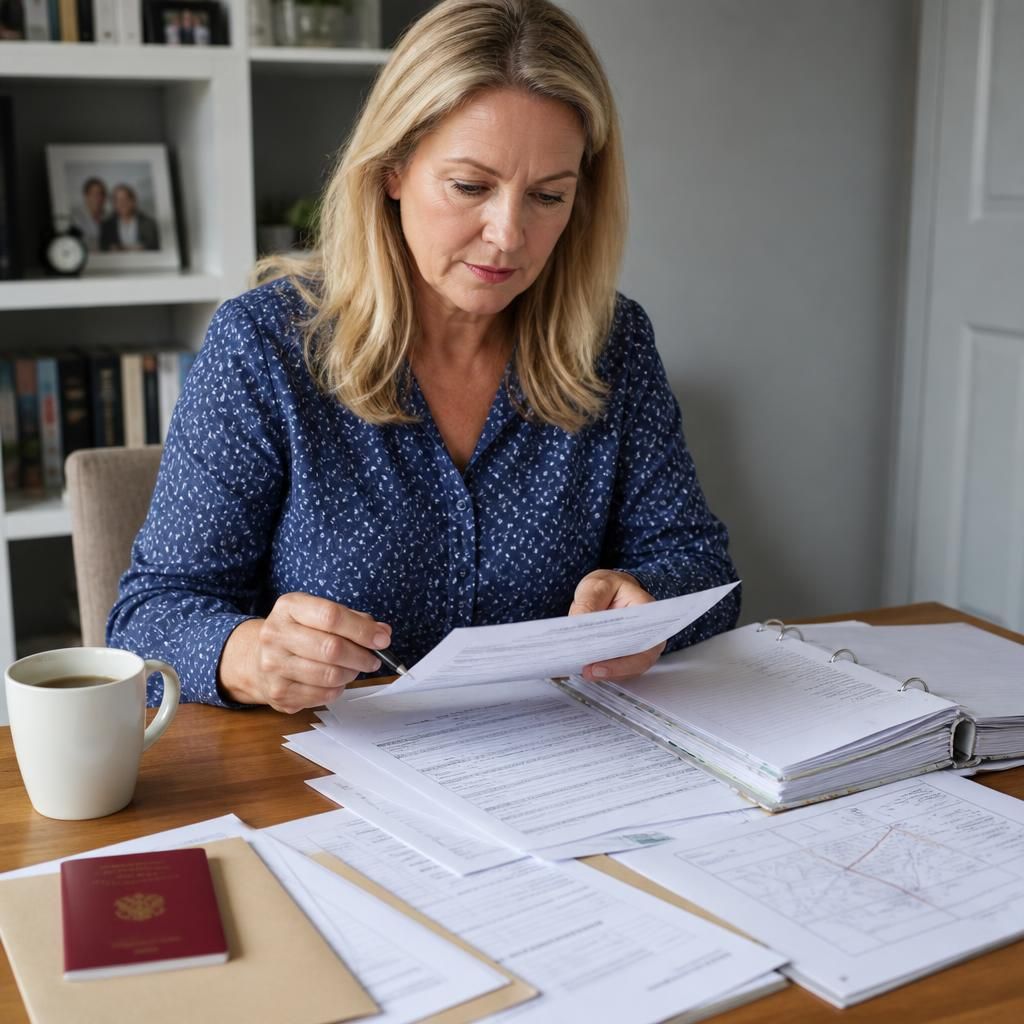
One important check is whether the name on the property title matches the person or people authorised to sell the estate property. Obtain an up-to-date copy of the title register and compare it with the grant of probate, the will and any trust or joint-ownership documents. If the deceased is still shown as the registered owner, the conveyancer will explain whether the property should be transferred to the personal representatives first or conveyed directly to the buyer.
Deal with discrepancies before accepting an offer where possible. Differences in names, missing title documents, unregistered land, rights affecting access or restrictions on the register can lead to additional evidence or applications. A conveyancer can identify what is required and ensure the sale contract reflects the actual legal ownership, rather than relying solely on the probate grant.