

How can I sell a probate house fast without using an estate agent?
You can sell a probate house without an estate agent by agreeing a private sale directly with a buyer, including a cash buyer, and instructing a conveyancer to manage the legal transaction. Before exchange, the executor usually needs authority to sell, accurate property information and an agreed valuation, while the buyer will still carry out appropriate legal checks.
A probate house can be sold without an estate agent by arranging a private sale directly with a buyer and using a conveyancer or solicitor to handle the legal work. The main factors affecting how quickly the sale can proceed are the executor’s authority, the property title, the availability of accurate information and whether the buyer has funds ready without relying on another sale.
1. Confirm who has authority to sell
The person dealing with the estate must establish whether they are an executor named in the will or an administrator appointed where there is no valid will. In England and Wales, the relevant authority is commonly a grant of probate or letters of administration. A conveyancer can explain whether the sale can be prepared before the grant is issued and what must be available before contracts are exchanged.
Do not assume that possession of the keys or a named role in the will is enough to transfer the property. The legal representatives must also check how the property is registered, whether it was owned jointly and whether any restrictions or trusts affect the sale. Probate terminology and procedures differ in Scotland, where confirmation is generally used instead of a grant of probate, so Scottish sellers should obtain advice appropriate to the property’s location.
2. Instruct a conveyancer experienced in estate sales
A private sale still requires conveyancing. The conveyancer normally checks the Land Registry title, prepares the contract, deals with the buyer’s legal representative, obtains required information and arranges the transfer of ownership. They can also identify issues such as missing deeds, unregistered land, leasehold obligations, restrictive covenants, charges or discrepancies between the title and the property’s actual layout.
Tell the conveyancer at the outset that the property forms part of an estate. They may need the death certificate, the will or grant documents, identity evidence for the personal representatives and information about any beneficiaries, mortgage or secured borrowing. Providing these documents early can reduce avoidable correspondence later.
3. Decide how the property will be valued
An estate property should be valued realistically rather than priced solely according to an online estimate or an historic purchase price. The valuation may be needed for estate administration as well as for agreeing the sale. Comparable local transactions, condition, tenure, lease length, development potential and outstanding repair work can all affect the figure.
Where beneficiaries are involved, keep a written record of how the asking price or agreed sale price was assessed. Personal representatives have duties to the estate and should be able to show that the transaction was handled properly. If there is disagreement between beneficiaries, independent legal advice may be needed before accepting an offer.
4. Find a direct buyer and check the proposed terms
Instead of appointing an estate agent, the executor can approach a direct property buyer or advertise privately. A cash buyer may be able to avoid a related property chain, but “cash” should be supported by evidence of funds or a clear explanation of the funding position. Ask whether the offer is subject to a survey, mortgage, sale of another property or further approval.
Compare more than the headline price. The important terms may include the proposed completion date, whether the buyer wants items removed, who will deal with fixtures and contents, whether the offer can be reduced after inspection and what happens if legal problems are discovered. A lower offer with clear funding and uncomplicated terms may be more suitable than a higher offer dependent on several conditions.
5. Prepare the property information
A buyer and conveyancer will need practical information about the house. Gather guarantees, planning permissions, building regulation certificates, electrical or heating records, lease documents, service charge details and information about alterations. Be accurate about defects, disputes, boundaries, flooding, subsidence, neighbour issues and any work completed without documentation. Concealing a known issue can create a claim or delay the transaction.
Decide what will happen to furniture, personal belongings and waste. A direct buyer may accept a property in its current condition, but this should be agreed in writing. If the house is vacant, maintain suitable insurance and deal with security, utilities, post and necessary maintenance while the sale is pending.
6. Deal with estate-related financial matters
Request a redemption statement if the property has a mortgage or other charge. The conveyancer must ensure that secured borrowing can be repaid from the sale proceeds and that the charge is removed on completion. Estate debts, professional fees and any costs of maintaining the property should be recorded separately from money distributed to beneficiaries.
The sale may also need to be reported as part of the estate’s tax and administration records. Tax treatment depends on the estate, the property and the dates and values involved, so the personal representatives should ask a solicitor or tax adviser for advice rather than relying on a general estimate.
7. Complete the legal checks before exchange
The buyer’s conveyancer may order searches, raise enquiries and check the title even where no estate agent is involved. The buyer might also arrange a survey or inspection. A cash purchase removes the need for a mortgage lender’s valuation, but it does not remove the buyer’s right to carry out legal and practical checks.
Exchange of contracts makes the agreed sale legally binding. Before exchange, confirm that the executor has the necessary authority, the contract accurately identifies the seller, all agreed contents are listed and the completion arrangements are understood. Completion is the stage at which the buyer’s funds are transferred, the title is released and the keys are handed over according to the agreed arrangements.
What can prevent a fast private sale?
- The grant or other authority has not been obtained when it is required.
- The property is not correctly registered or the title contains restrictions.
- There are disputes between beneficiaries or uncertainty about ownership.
- Important documents for alterations, leases or boundaries are missing.
- The property has a mortgage, charge or legal issue that has not been disclosed.
- The buyer’s funds are not available or the offer depends on another sale.
- The house contains significant defects requiring further investigation.
Using a direct cash buyer can remove the estate-agent marketing stage, but it does not remove the need for proper probate authority, disclosure and conveyancing. The safest route is to agree the commercial terms directly, obtain appropriate legal advice and allow the conveyancer to confirm when the estate is able to exchange and complete.
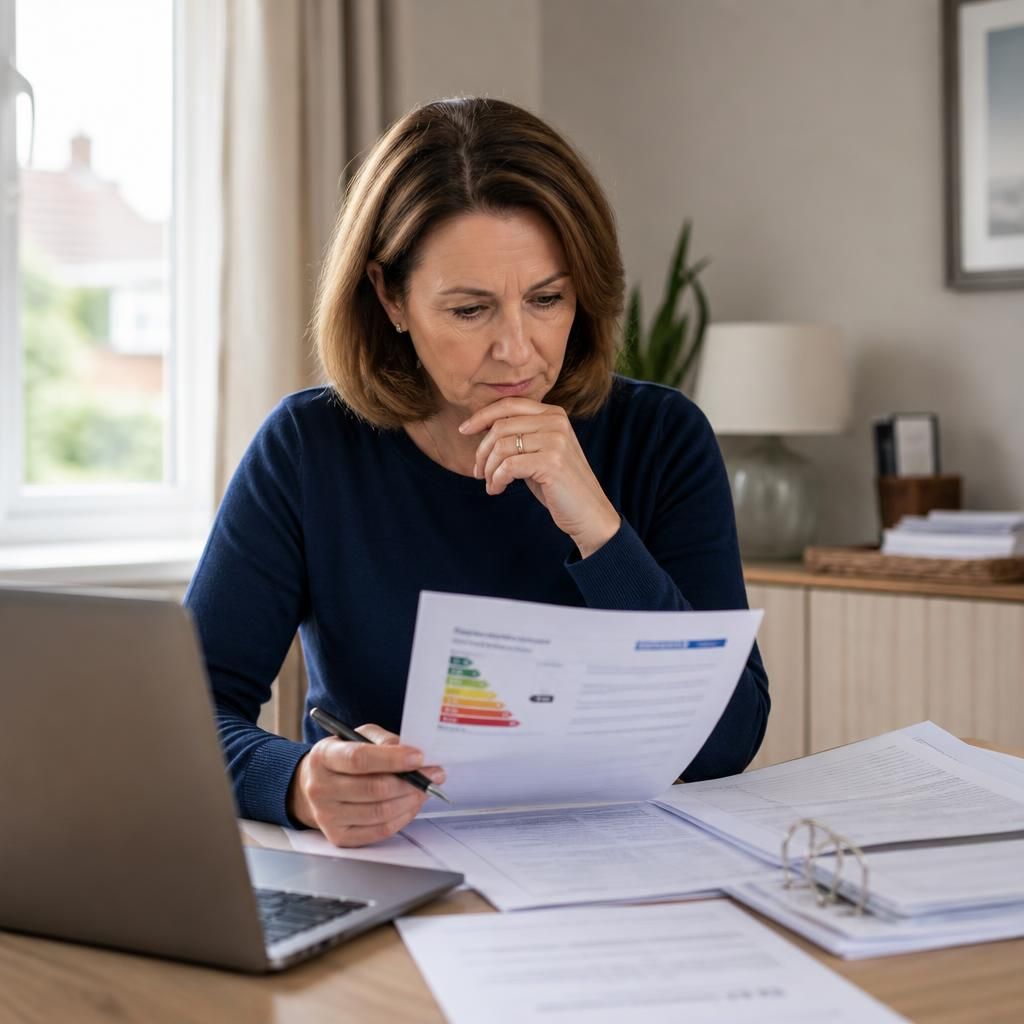
When selling a probate house privately, check the property’s Energy Performance Certificate (EPC) position before advertising it. In England and Wales, a valid EPC is generally required when a property is marketed for sale, unless an exemption applies. The personal representative should establish whether an existing certificate remains valid or whether a new assessment is needed. Scottish requirements use different procedures, so advice should reflect where the property is located.
This is easy to overlook when no estate agent is involved. Ask the conveyancer whether the property qualifies for an exemption and keep any supporting evidence with the estate records. Resolving the EPC position early helps prevent the buyer’s solicitor from raising an avoidable compliance query later.
Discuss your probate house sale with a direct buyer
Discuss the probate property’s circumstances and proposed sale terms with a direct buyer so you can assess whether a private cash sale is suitable. Have key details available, including the property’s condition, ownership position and any known legal issues.