
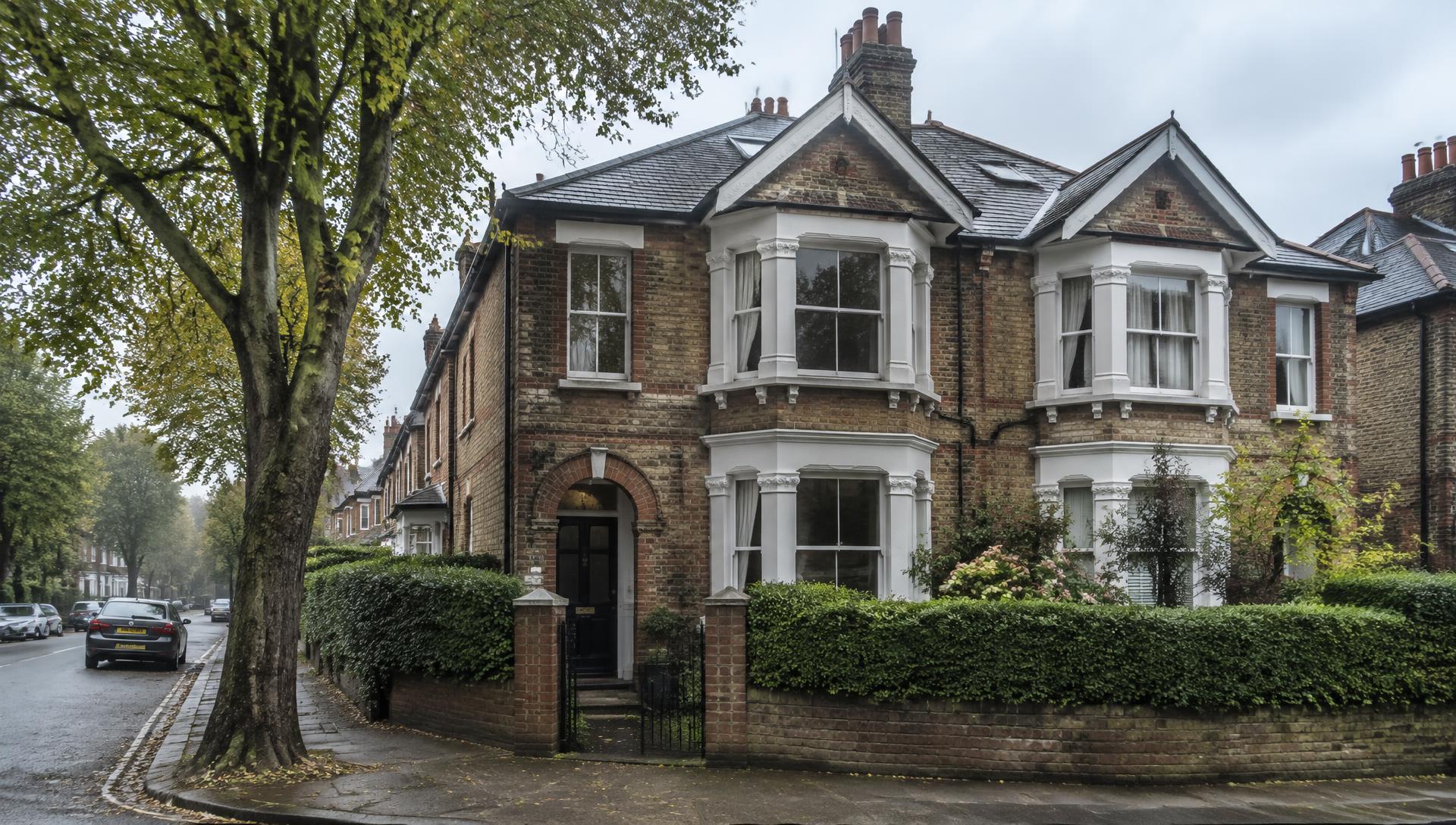
When can I sell a probate property during the estate settlement process?
A probate property can usually be marketed before the Grant of Probate is issued, but the sale normally cannot complete until the personal representatives have the legal authority to transfer the deceased’s interest. Once the grant is obtained and any required consents, mortgage arrangements and estate administration checks are in place, the property can proceed to exchange and completion.
The point at which a probate property can be sold depends on the authority of the personal representatives, the jurisdiction involved and the estate’s outstanding legal and financial matters. In England and Wales, the property may generally be prepared and marketed while the probate application is being dealt with, but the personal representatives must have the appropriate authority in place before they can validly complete the transfer. A different process applies in Scotland, where confirmation is the relevant authority.
Estate settlement is not one single stage. A property sale can progress alongside other administration work, provided the people handling the estate have authority to act and the transaction does not conflict with the will, intestacy rules or the interests of the estate.
Typical points in the process are:
- Before the grant or confirmation: the property can usually be inspected, valued and prepared for sale. Marketing may be possible, subject to the intended buyer and any estate agent or conveyancer being told that the owner has died and that probate or confirmation is pending.
- After the grant or confirmation: the personal representatives can usually deal with the deceased’s property as part of the estate administration. The conveyancer will check the authority, the will or intestacy position and the identity of those entitled to sell.
- During conveyancing: title, searches, mortgage arrangements, insurance, tax issues and property information are reviewed. These checks can continue while other estate matters are being resolved.
- At completion: the transfer is completed by the authorised personal representatives. The sale proceeds belong to the estate and are normally used or distributed in accordance with the estate administration.
Marketing a property and completing its sale are therefore separate events. An executor may obtain valuations and consider offers before the grant is issued, but the buyer’s conveyancer will usually need evidence that the seller has legal authority before accepting an unrestricted transfer. An offer made at this stage may also be subject to the grant being obtained and the buyer’s legal review.
The timing can be affected by the type of authority available. If there is a valid will, the named executors may apply for a grant of probate. If there is no will, an administrator may need a grant of letters of administration. If an executor cannot or will not act, the application and later sale may require additional steps. A solicitor or probate professional can confirm whether the person dealing with the sale has the correct authority.
It is also important to distinguish between selling the property and transferring it to a beneficiary. If the estate sells the house, the personal representatives normally sign the contract and transfer, with the net proceeds remaining in the estate. If the property is first transferred or assented to a beneficiary, that beneficiary may then become the registered owner and deal with a later sale in their own name. The appropriate route depends on the will, the estate’s liabilities and the administration advice received.
A sale may be delayed even after probate has been granted where:
- the Land Registry title does not reflect the deceased’s circumstances or contains restrictions;
- there is an outstanding mortgage, secured loan or equity-release arrangement;
- the property was jointly owned and the form of ownership needs to be established;
- there is a dispute about the will, the appointment of an executor or the division of the estate;
- the estate has insufficient funds to meet inheritance tax, debts or sale-related costs;
- the property requires specialist information because of alterations, lease terms, tenants or defects; or
- one or more personal representatives cannot be located, lacks capacity or is unwilling to participate.
Joint ownership needs particular care. With a joint tenancy, the deceased’s interest may pass by survivorship rather than under the will, although the title and estate records still need to be checked. With a tenancy in common, the deceased’s share forms part of the estate and the personal representatives generally deal with it under the will or intestacy rules. The surviving owner may not be able to sell the entire property without the necessary estate authority.
The property can sometimes be sold before every estate debt has been finally settled. In that situation, the conveyancer should establish how sale proceeds will be retained or applied, and whether creditors, tax authorities or beneficiaries have claims that must be dealt with. Personal representatives have duties to collect estate assets, pay valid liabilities and distribute what remains. Selling the house does not remove those duties.
If a buyer is paying cash, the absence of a related mortgage chain may simplify one aspect of the transaction, but it does not remove probate requirements. The buyer will still need satisfactory evidence of the seller’s authority, title and the property’s legal position. A cash sale can be considered once the personal representatives and their conveyancer are satisfied that the transaction can proceed lawfully.
Before putting a probate property on the market, the personal representatives should confirm the ownership structure, locate the original will if there is one, notify the conveyancer of any mortgage or restriction, and obtain advice on tax and estate liabilities. They should also agree how decisions will be made where there is more than one executor. Taking these steps early can prevent a buyer being found before the estate is ready to exchange contracts.
For a specific property, the decisive question is not simply whether probate has been granted. It is whether the correct personal representatives have authority to sell, whether the title can be transferred, and whether the estate’s financial and legal issues have been addressed sufficiently for the conveyancer to approve exchange and completion. A probate solicitor or conveyancer should confirm the position before any binding commitment is made.

A beneficiary’s agreement does not by itself give them authority to sell a probate property. Where the estate is selling the house, the authorised personal representatives normally remain responsible for approving and signing the transaction, even if the intended buyer has been identified and the beneficiaries support the sale.
This distinction matters because estate assets may need to be used to meet valid debts, tax liabilities and administration costs before the remaining value is distributed. Beneficiaries should not assume that receiving or approving an offer allows them to sign contracts in their own name. If the property is transferred to a beneficiary first, the legal position changes and that person may then sell as the registered owner, subject to the conveyancing requirements.
A solicitor or conveyancer can confirm whether the proposed route is an estate sale or a transfer followed by a beneficiary’s sale. Resolving that point before contracts are prepared can prevent uncertainty about who must sign and whether the sale proceeds are being dealt with correctly.
Discuss Your Probate Property Sale Options
If you have confirmed who is authorised to act for the estate, discuss your probate property sale options with buyhousesfast.co.uk and provide the relevant property details. Keep your solicitor or conveyancer involved so any proposed sale can be assessed alongside the estate’s legal requirements.