
What steps are involved in preparing a probate house for sale?
Preparing a probate house for sale involves confirming the executor’s authority, securing and inspecting the property, gathering relevant documents, addressing necessary repairs, and obtaining a realistic valuation. The house can then be marketed or considered for a cash sale once the legal and practical preparations are complete.
Preparing a probate house for sale means organising the practical, financial and administrative details that allow the property to be marketed and transferred without avoidable delays. Once the executor or administrator has dealt with the initial authority, condition and valuation issues, the remaining preparation should focus on agreeing the sale approach, managing the estate’s finances, presenting the property accurately and coordinating the conveyancing process.
Agree the sale strategy with the relevant beneficiaries. The personal representative should establish whether the beneficiaries support selling the property and record any important decisions. This can prevent disagreements about the asking price, proposed buyer or timing of the transaction. If the will contains specific instructions, or if there are several beneficiaries, professional advice may be appropriate before accepting an offer.
Review the estate’s financial position. Identify any mortgage, secured loan, unpaid utility account, insurance cost or other expense connected with the house. The conveyancer can explain how these liabilities are dealt with from the sale proceeds. Keeping a record of expenditure, invoices and receipts helps the executor account for estate money and distinguish property-related costs from personal spending.
Deal with the contents methodically. Household contents should be checked against the will and any known wishes of the deceased before items are removed, donated or disposed of. Valuable possessions may need independent appraisal, while personal papers should be handled securely to protect confidential information. A written inventory and photographs can reduce disputes between beneficiaries and provide a useful record of the property’s contents before clearance.
Prepare the house for viewings without overstating its condition. Once essential repairs have been considered, practical preparation may include removing excess furniture, cleaning, improving access to rooms and ensuring that gardens and outbuildings can be viewed safely. The aim is to make the layout and condition clear rather than conceal defects. Marketing particulars should accurately describe issues such as subsidence history, alterations, flooding, Japanese knotweed or known boundary concerns where these are relevant.
Choose how the property will be sold. The executor can compare an open-market sale through an estate agent with a direct cash purchase. An agent may provide broad marketing exposure, whereas a cash buyer may offer a more direct route for an estate that prioritises a straightforward transaction or wishes to avoid preparing the house for extensive viewings. Any offer should be assessed by considering the proposed price, conditions, proof of funds, deductions, timetable and the likelihood of the transaction progressing—not solely the headline figure.
Instruct the conveyancer early. The solicitor or licensed conveyancer should be told that the seller is acting for an estate. They will check the title, prepare the contract pack, deal with enquiries and confirm how the sale proceeds are to be received. Information about boundaries, alterations, guarantees, disputes, planning matters and previous problems should be supplied as fully as possible. Missing or inconsistent information can lead to additional enquiries and delay exchange of contracts.
Plan access and communication. Decide who will hold keys, arrange viewings, receive post and communicate with the selling agent, buyer and conveyancer. Redirecting mail and cancelling unnecessary services can help protect the property and reduce administration. The executor should retain copies of important correspondence and keep beneficiaries informed of material developments, including offers, contract amendments and the expected completion arrangements.
Check the offer and contract before exchange. Before committing the estate, confirm the buyer’s identity, funding position, proposed completion date and any conditions attached to the offer. The conveyancer should explain the legal effect of exchange and identify anything that remains outstanding. The executor should not treat an agreed offer as final until contracts have been exchanged, because either party may generally withdraw before that stage.
Complete the sale and close the estate’s property accounts. On completion, the conveyancer transfers the property and accounts for the sale proceeds, mortgage redemption and agreed costs. The executor should retain the completion statement, estate accounts and supporting invoices, then follow the will or intestacy rules when distributing the remaining funds. Any tax reporting or inheritance-related administration should be considered separately with qualified professional advice, as the correct treatment depends on the estate and the people receiving the proceeds.
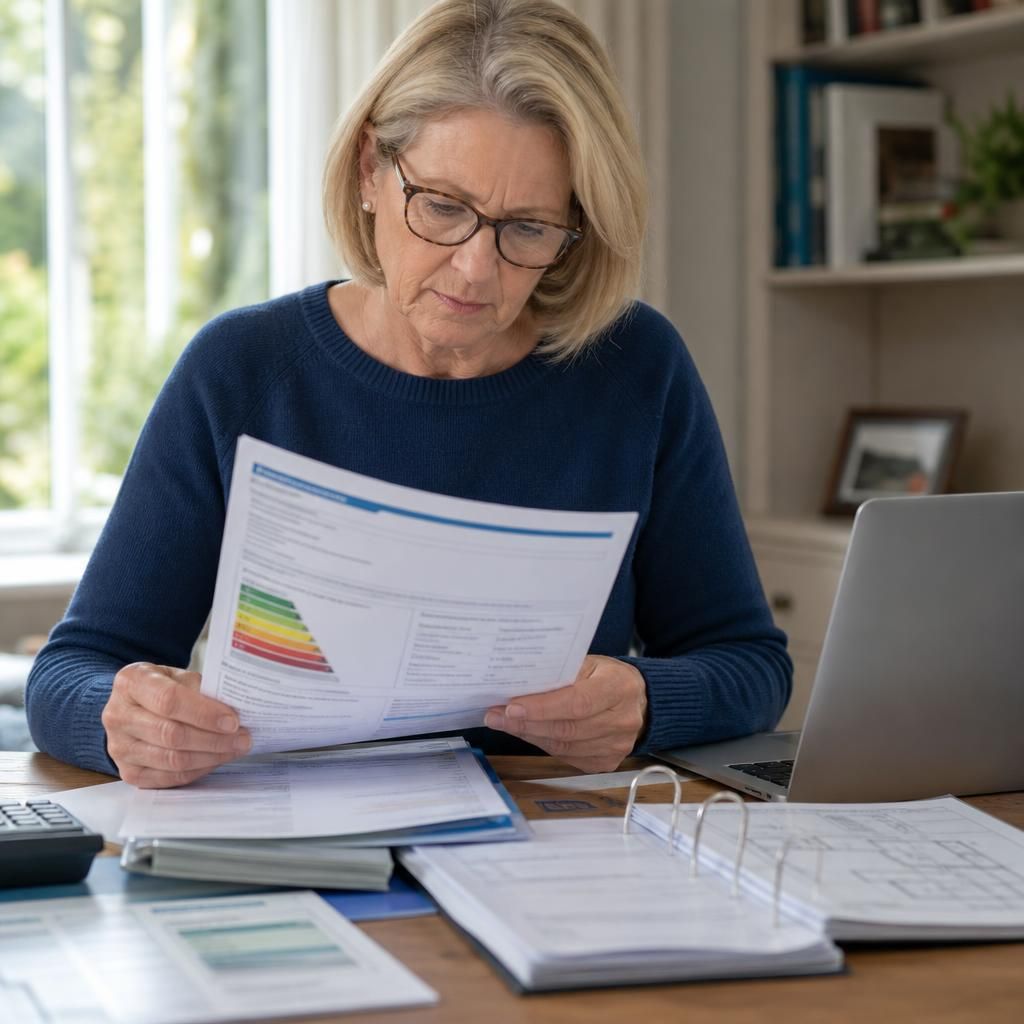
One practical preparation step is to confirm that the property has the documents needed for marketing and conveyancing. An Energy Performance Certificate (EPC) will generally be required before the house is advertised, unless a recognised exemption applies. The executor should also locate any planning permissions, building regulations certificates, guarantees, electrical or gas safety records and paperwork for extensions or replacement windows. Providing these records early gives the buyer and conveyancer clearer evidence of the property’s history and can reduce requests for information later.