
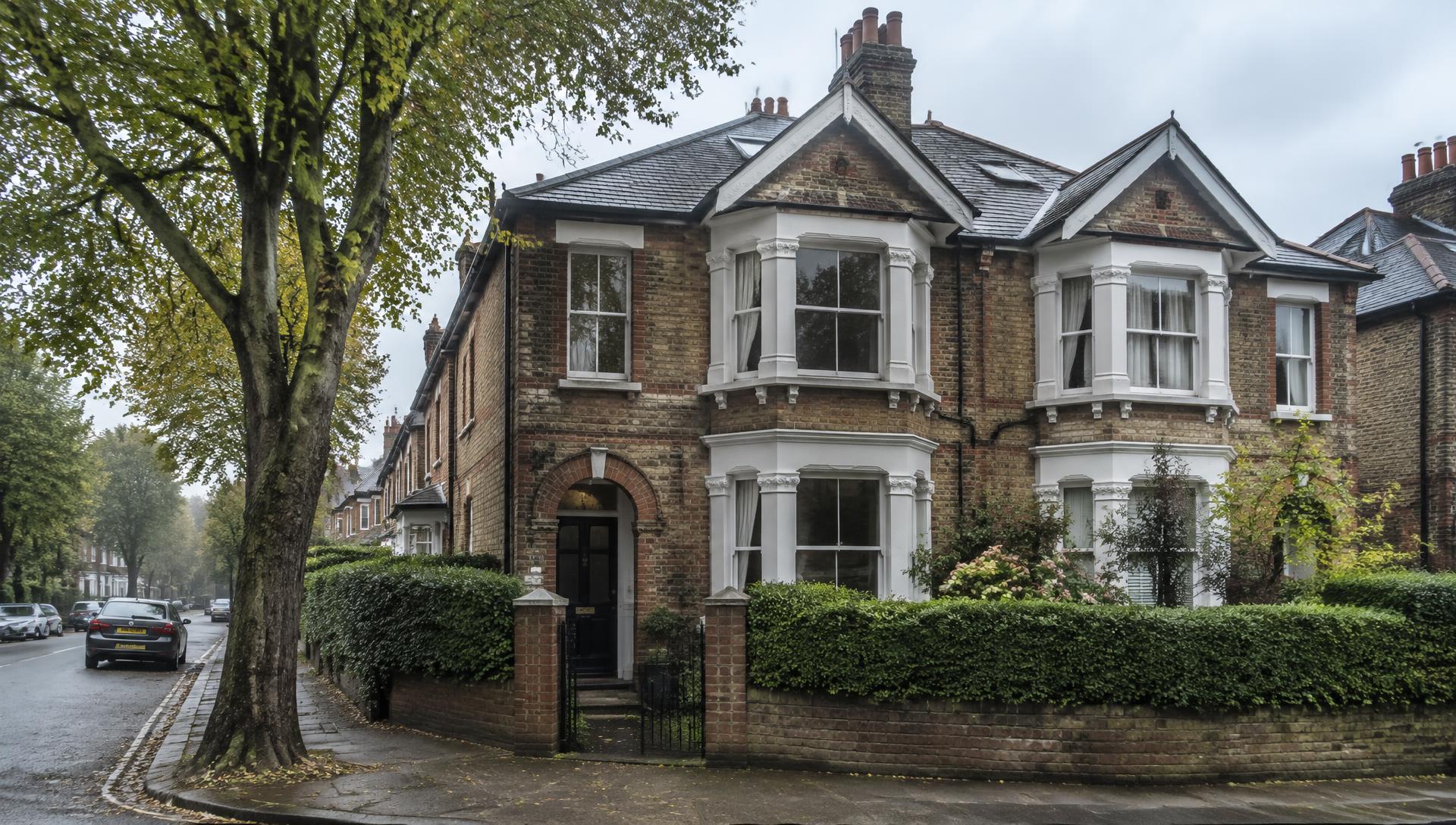
What are the legal steps involved in selling a probate property?
The legal steps for selling a probate property in the UK usually involve confirming the executor’s authority, obtaining the Grant of Probate or Letters of Administration, arranging a valuation, agreeing the sale with the relevant beneficiaries, and instructing a conveyancer. The conveyancer then handles title checks, property information, required disclosures, exchange of contracts and completion, with the sale proceeds accounted for as part of the estate.
The legal process for selling a probate property involves proving the seller’s authority, establishing exactly what interest in the property forms part of the estate, satisfying conveyancing requirements and accounting correctly for the sale proceeds. The precise procedure depends on the property’s ownership, the wording of the will and whether the estate is in England and Wales, Scotland or Northern Ireland.
Confirm who has authority to deal with the property
The first step is to establish whether the deceased owned the property alone, as a joint tenant or as a tenant in common. A property owned as a joint tenant will usually pass automatically to the surviving owner, so it may not be an estate asset for the purpose of the sale. A share held as a tenant in common normally forms part of the estate and must be dealt with by the personal representatives.
The will should be checked to identify the named executors. If there is no valid will, or the named executors cannot act, the appropriate person may need to apply to administer the estate instead. A conveyancer will also check the Land Registry title and the death certificate to confirm the ownership position.
In England and Wales, a sole owner’s property will generally require a Grant of Probate or, where there is no will, Letters of Administration before the personal representatives can complete a transfer. An executor may be able to take preparatory steps before the grant is issued, such as securing the property or obtaining marketing advice, but the conveyancer will assess what can legally be done before authority is established. Scotland uses the confirmation process, while Northern Ireland has its own probate procedures.
Check the title and outstanding liabilities
The conveyancer should obtain official copies of the title register and title plan. These documents can reveal mortgages, restrictions, charges, rights of way, covenants and other matters that may affect the sale. If the title contains a restriction requiring a certificate or consent, that requirement must be dealt with before registration of the buyer’s ownership.
Any mortgage or secured loan should be identified and a redemption statement requested. The balance will normally be settled from the completion money, subject to the lender’s requirements. Other estate liabilities, such as unpaid service charges, ground rent or costs secured against the property, may also need to be resolved.
Where ownership records are incomplete, the property has been transferred informally, or a name on the title differs from the deceased’s legal identity, additional evidence may be required. This can include historic deeds, statutory declarations or a corrective application to the Land Registry.
Prepare accurate property information
The seller’s representative must provide the buyer with information required by the conveyancing process. This commonly includes details of boundaries, notices, disputes, alterations, guarantees, planning permissions, building regulations approvals, utilities, access arrangements and known defects.
Executors may not have lived in the property and may not know the answers to every question. They should not guess or present assumptions as facts. The forms should make clear when information is not known, while any documents held by the estate should be supplied. Deliberately withholding a known defect or giving a misleading answer can create a claim after completion.
The property may also need an Energy Performance Certificate unless a specific exemption applies. A conveyancer or qualified property professional can advise whether an existing certificate is usable and whether other documents, such as electrical, gas, treatment-system or building-work certificates, are relevant.
Deal with leasehold or managed-property requirements
If the probate property is leasehold, the lease must be reviewed for restrictions on assignment, landlord consent, notice requirements and outstanding charges. The managing agent may need to provide a management information pack, accounts, insurance details and information about planned major works.
Some leases require the landlord or management company to approve the buyer or register the transfer after completion. These requirements should be identified early because failure to comply can delay registration or leave the estate liable for continuing charges.
Ensure the contract is properly authorised
The sale contract should identify the personal representatives in their legal capacity, rather than presenting them simply as individual owners. The conveyancer will agree the contract terms, respond to enquiries and make sure that any special conditions accurately reflect the estate’s position.
Before exchange, the personal representatives should understand the agreed price, proposed completion arrangements, included fixtures and fittings, vacant-possession obligations and any known title or property issues. Exchange creates a binding contract. If the estate cannot complete afterwards, it may face legal and financial consequences, so the representatives should ensure that the required probate authority, title information and beneficiary or court approvals are in place where relevant.
Personal representatives must act within their powers and in the interests of the estate. They should follow any relevant instructions in the will and take reasonable care where beneficiaries disagree. A sale at an undervalue, an undisclosed conflict of interest or a transaction involving a connected person may require specialist advice and supporting evidence that the decision was proper.
Address disputes, trusts and vulnerable beneficiaries
Extra legal steps may be needed where the will is challenged, a caveat has been entered, a beneficiary disputes the proposed price or the estate includes a minor or protected beneficiary. The personal representatives should not distribute the sale proceeds while ownership, entitlement or a significant claim remains unresolved.
If the property is held on trust, the trust document and the number of trustees may affect the sale. A conveyancer will check whether all necessary trustees must sign and whether a replacement trustee or court order is needed. Where beneficiaries cannot agree, independent legal advice is preferable to attempting to resolve the dispute through the conveyancing transaction.
Complete the sale and account for the proceeds
On completion, the buyer’s funds are transferred through the conveyancers. From the proceeds, the conveyancer may pay off a mortgage, settle approved completion adjustments and deduct agreed legal or agent’s costs. The remaining money belongs to the estate, not automatically to the individual executor.
The personal representatives should retain records of the sale price, costs, liabilities paid and distributions made. They may need to update the estate accounts, deal with outstanding inheritance tax or other tax liabilities and keep enough money back for debts, expenses and potential claims before distributing the balance to beneficiaries.
Where the property was sold for more or less than its probate valuation, the difference may have tax or estate-accounting consequences. The executor should obtain advice on the circumstances rather than assuming that the probate valuation is the final figure for every purpose.
Use the correct conveyancing professionals
A solicitor or licensed conveyancer experienced in probate sales can coordinate the grant or confirmation, title investigation, property forms, contract, lender requirements and completion. The professional should be told about any missing documents, disputes, leasehold issues, beneficiaries under 18, possible claims against the estate and uncertainty about the ownership structure at the outset.
Because probate, property and tax rules interact, complex estates may require separate advice from a probate solicitor, tax adviser or trust specialist. This is particularly important where the property is jointly owned, the estate is insolvent, the sale is to a connected party or beneficiaries do not agree with the proposed transaction.

Check whether the property is registered
Not every probate property in England and Wales has a current Land Registry title. If the property is unregistered, the conveyancer will need to examine the original deeds and other evidence showing the deceased’s ownership. This may include a chain of historic transfers, mortgages or reconveyances, together with the grant and death certificate where relevant.
A sale of unregistered land can require a first-registration application after completion, and the buyer’s conveyancer may request additional information or title insurance before exchange. Finding the deeds early is therefore an important legal step. If documents are missing or the ownership history is unclear, specialist advice should be obtained before the property is marketed or a contract is agreed.