
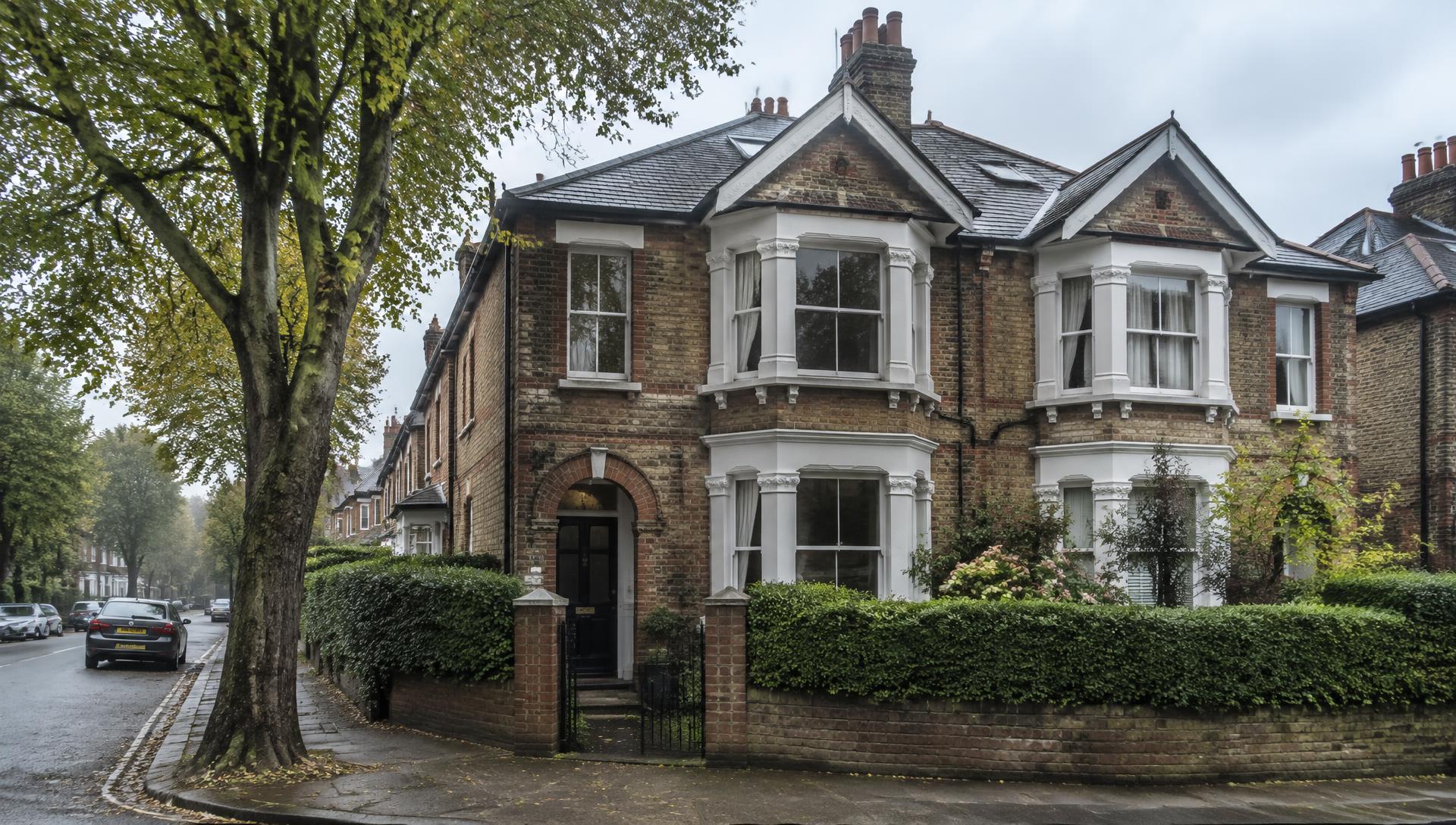
How do estate agent fees influence the final sale price of my property?
Estate agent fees reduce the net proceeds you receive from your property sale because commission and any applicable charges are deducted from the agreed sale price. This means a higher marketing price does not necessarily produce more money in your hands than a lower-cost selling route, such as a cash sale, once all deductions are considered.
Estate agent fees influence the financial result of a property sale by creating a difference between the agreed sale price and the amount you ultimately retain. The advertised or negotiated price is the gross figure; your net proceeds are calculated after deducting the agent’s commission, VAT where applicable, other selling costs, mortgage redemption amounts and any liabilities secured against the property.
How the fee is calculated matters. Most traditional estate agents charge either a percentage of the achieved sale price or an agreed fixed fee. With a percentage-based arrangement, the fee rises as the sale price rises. A fixed fee does not increase with the price, although it may still be payable if the property sells for less than expected, depending on the contract. Some agreements also set a minimum fee.
Check whether the quoted fee includes VAT. An advertised commission may be stated before VAT, so the amount deducted from your proceeds can be higher than the headline rate suggests. The terms should also explain when the fee becomes payable and whether it applies to the agreed price, the completion price or another figure.
The gross price and net proceeds are not the same measure. For example, a property marketed at a higher price through an agent may produce less usable equity than a lower offer from a buyer who does not require an estate agent’s commission, depending on the respective offer and all deductions. The relevant comparison is:
Net proceeds = sale price − estate agent fees and VAT − legal and other selling costs − mortgage and secured debt repayments.
This calculation is particularly important where the property has limited equity. If the expected sale price is close to the outstanding mortgage or other liabilities, even a comparatively modest deduction can affect whether the transaction leaves a surplus or requires additional funds to complete.
Fee structure can also affect the commercial terms of the agency agreement. Review whether the agent is appointed on a sole agency, sole selling rights or multi-agency basis. These arrangements can determine whether a fee is due if you find your own buyer, instruct another agent, withdraw the property or sell shortly after the agreement ends. A lower quoted fee may therefore not be the lowest overall cost if the contract contains withdrawal charges, continuing commission rights or other conditions.
Some agents offer different packages, such as marketing-only services or a more extensive service that includes accompanied viewings and negotiation. The service level can influence how the property is presented and managed, but it should be assessed separately from the commission. Ask what is included in the quoted amount, including photography, floor plans, portal advertising, viewings and progression of the sale. Charges for optional services should be identified before you sign.
The fee does not automatically determine the achievable market value. A property’s location, condition, legal title, demand and presentation still influence what buyers are willing to offer. However, the agent’s pricing advice and marketing strategy can affect the offers received and the time the property remains on the market. An asking price set too high may reduce buyer interest and lead to later price reductions, while an asking price set too low may limit the proceeds even if the agent’s fee is modest.
When comparing agents, consider the likely net outcome rather than choosing solely on the lowest commission. Request a written breakdown showing:
- the proposed marketing or sale price;
- the fee calculation and whether VAT is included;
- any fixed, minimum, withdrawal or additional charges;
- the length and type of agency agreement;
- when the fee becomes payable; and
- which marketing and selling activities are included.
Then compare the estimated net proceeds with any alternative offer on a like-for-like basis. A cash sale may remove the need for an estate agent commission, but the offer price and the buyer’s terms still need to be considered alongside conveyancing costs, mortgage redemption figures and any property-specific legal requirements. The most meaningful figure is the amount left after every relevant deduction, not the headline sale price or the headline agency fee alone.

An estate agent’s fee is normally deducted from the seller’s proceeds rather than added as a separate charge to the buyer. The buyer therefore considers the advertised or agreed purchase price, while the seller must assess how much of that price will remain after the agency cost. This creates a difference between the price needed to attract buyers and the amount required to meet the seller’s financial objectives.
Trying to add the fee to the asking price can affect how competitive the property appears against similar homes. Buyers generally compare the total price, location and condition rather than compensating the seller for their chosen selling method. The fee can therefore influence the final sale price indirectly: it may reduce the seller’s proceeds at the agreed price, while pricing the property higher to offset it could reduce buyer interest or lead to negotiation. The effect should be assessed alongside local market evidence and the property’s condition, rather than assuming the fee can simply be passed on.
Compare Your Property’s Net Sale Proceeds
If you are comparing an estate agent sale with a cash sale, contact buyhousesfast.co.uk to discuss your property and the relevant sale terms. Use the information provided to assess the potential net proceeds before deciding which route suits your circumstances.