

What steps should I take before selling a property with mortgage arrears to ensure a smooth transaction?
Before selling a property with mortgage arrears, contact your lender, request an up-to-date redemption statement, and establish whether the expected sale proceeds will cover the mortgage, arrears and selling costs. Appoint a conveyancer, gather the property documents, disclose the arrears to all relevant parties, and agree a realistic completion plan before accepting an offer.
Before selling a property with mortgage arrears, organise the legal, financial and practical issues that could delay completion. The most important preparations are to identify any possession deadlines, confirm who has authority to sell, resolve ownership or occupancy issues, prepare the property for marketing and check that the proposed sale route is credible.
Check the position of any possession or court action
Read all letters from the lender and the court carefully, including any notice of possession proceedings, hearing date or required response. Record the relevant dates and obtain regulated debt or housing advice if legal action has started. A property sale does not automatically stop repossession proceedings, so do not assume that putting the property on the market removes the need to comply with a court timetable.
If a hearing is listed, take evidence of the proposed sale and any realistic offers to the hearing where appropriate. A solicitor or qualified adviser can explain what information the court may require and whether an adjournment or other action is possible. Keep copies of every notice, agreement and payment record in one file.
Confirm ownership and authority to sell
Check the title register and establish exactly who owns the property. Every registered owner will generally need to cooperate with the sale, and disputes between joint owners can prevent contracts being exchanged. This is particularly important where the arrears arise alongside divorce, separation, probate or a change in personal circumstances.
Identify any restrictions, charges, bankruptcy issues or legal notices recorded against the title. These may require additional information or consent before the transaction can proceed. If an owner has died, the personal representatives may need to obtain the appropriate grant before they can deal with the property. Where someone cannot sign personally, confirm in advance whether a valid power of attorney is available and acceptable.
Deal with occupants and tenancy arrangements
Make a clear list of everyone living at the property and establish whether anyone has a tenancy, licence or other right to occupy it. Gather tenancy agreements, deposit information and relevant notices if the property is rented. A buyer and their solicitor will need to know whether the property is being sold with vacant possession or subject to an existing tenancy.
Do not ask tenants or other occupants to leave without taking appropriate legal advice. Agree how keys, belongings and access for viewings will be managed, and ensure that any arrangement is recorded in writing.
Prepare a complete property information pack
In addition to the core title and mortgage information, collect documents such as planning permissions, building regulation approvals, guarantees, warranties, electrical or gas records where relevant, and paperwork for extensions, conversions or alterations. Note any boundary disputes, rights of way, shared access arrangements, lease terms or disputes with neighbours.
Being open about defects and legal issues is important. Concealing a known problem can lead to renegotiation, delay or a claim after completion. If you are unsure whether an alteration needed consent, ask a conveyancer to investigate before marketing the property.
Assess the property’s presentation without undertaking unnecessary work
Deal with essential safety or access problems, remove personal possessions where practical and make sure rooms, outbuildings and meter locations can be inspected. Keep evidence of any repair quotations and avoid committing to major improvements unless their cost and likely benefit are clear.
A property with physical defects can still be sold, but accurate information helps buyers assess the risk. If the condition is likely to affect value, obtain independent advice on the realistic price and the consequences of selling in its current state.
Compare the sale routes carefully
Consider whether a conventional estate agency sale, private sale or cash sale is suitable for the circumstances. Compare the likely timescale, fees, valuation method, buyer checks, risk of the buyer withdrawing and whether the buyer can proceed without relying on another sale. A cash buyer may offer a simpler chain-free transaction, but the offer should still be assessed against the property’s value and the need to clear secured debts.
Before accepting an offer, ask for clear confirmation of the buyer’s identity, funding position and proposed conditions. Treat requests for upfront payments, pressure to sign documents immediately or unclear deductions with caution. Obtain independent legal advice before signing an exclusivity agreement, option agreement or sale contract.
Plan for the completion funds
Ask the conveyancer to explain how completion monies will be distributed. The secured mortgage and other valid charges normally need to be dealt with from the sale proceeds before any balance is paid to you. If the proceeds may not clear every debt, discuss the position with the lender and obtain written confirmation of any arrangement needed for the sale to proceed.
Budget for costs that can arise before or during the transaction, including legal work, agent fees if applicable, removals, storage, repairs and advice. Keep a reserve for essential expenses and do not rely on an estimated surplus until the figures have been checked against the final sale price and completion statement.
Keep communications organised
Use one folder for lender correspondence, court documents, title information, property paperwork, offers and legal advice. Reply promptly to reasonable requests from the conveyancer and provide consistent information to the lender and buyer. Tell the relevant professionals if circumstances change, such as a new court notice, missed payment, dispute between owners or change in occupancy.
Finally, do not exchange contracts until the price, completion date, vacant-possession position, included items and treatment of outstanding charges are understood. Independent advice from a conveyancer and, where necessary, a debt or housing adviser can help identify problems before they prevent the sale from completing.
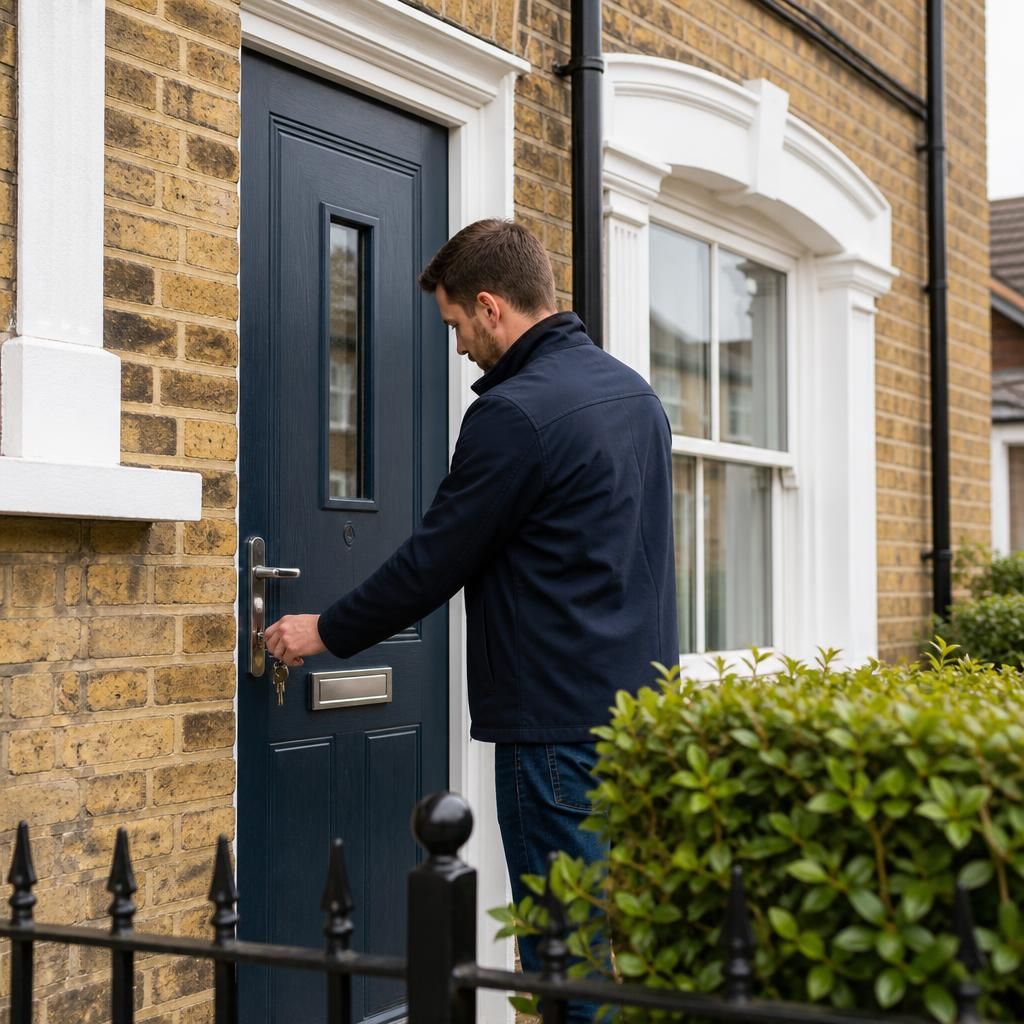
Keep the property insured and secure until completion. Mortgage conditions commonly require suitable buildings insurance to remain in place, and cancelling a policy before ownership transfers can create a serious risk if the property is damaged. Check the policy terms and tell the insurer about any material change, such as the property becoming vacant or being occupied by tenants.
Arrange regular checks if the property is empty, protect it from avoidable damage and retain evidence of the insurance cover. Give your conveyancer the policy details if requested, and do not assume that an offer or exchanged contract ends your responsibility for the property. The buyer normally takes responsibility only once completion has taken place.