

How does the location and condition of a property affect its probate valuation?
A property’s location affects its probate valuation through factors such as local demand, comparable sales, transport links and nearby amenities. Its condition also matters: required repairs, defects, alterations and occupancy issues can reduce market value, while well-maintained features may support a higher valuation.
Location and condition affect a probate valuation by determining what a willing buyer would reasonably have paid for the property on the relevant valuation date. The valuer considers the property’s legal and physical characteristics together, then supports the opinion with suitable market evidence rather than relying on a general estimate or a later sale price.
The relevant valuation date
For probate and inheritance tax purposes, the valuation usually relates to the open market value at the date of death. This can mean that the valuer needs to assess historical market conditions rather than simply report the property’s value on the inspection date. Later transactions may still provide useful evidence, but they may need adjustment for changes in the market, the property’s condition and any improvements or deterioration that occurred after the relevant date.
A retrospective valuation is particularly important where the property is sold much later. The eventual sale price may be affected by changes in buyer sentiment, mortgage availability, local supply, or the way the property was presented for sale. It is evidence to consider, not automatic proof of the probate value.
Location factors beyond the immediate neighbourhood
Micro-location can create material differences between otherwise similar properties. A home close to a boundary, busy road, railway line, commercial premises or an area exposed to nuisance may attract a different value from one in a quieter part of the same district. The valuer may also investigate:
- flood risk, coastal exposure, ground instability and other environmental constraints;
- the character and consistency of the surrounding development;
- planning designations, conservation controls and listed-building restrictions;
- nearby development proposals that could affect outlook, access, privacy or noise;
- local demand for the particular property type, including whether it is suitable for owner-occupation, letting or redevelopment; and
- the availability of insurance and mortgage finance for the property’s location and construction.
These matters do not automatically reduce a valuation. Their effect depends on their severity, the likelihood of a problem occurring, the cost of mitigation and how buyers in that market respond to the risk.
How condition is assessed
Condition is assessed as it existed at the valuation date. A valuer will normally inspect the visible state of the building, including its structure, roof, external envelope, windows, heating, plumbing, electrics and internal finishes. Particular attention may be given to signs of damp, movement, water ingress, timber decay, inadequate ventilation, asbestos-containing materials, non-standard construction and obsolete or unsafe installations.
A standard valuation inspection is not the same as a full building survey. Hidden damage, inaccessible areas and specialist issues may require reports from a structural engineer, damp specialist, electrician, drainage contractor or other suitably qualified professional. Where a concern cannot be confirmed during the inspection, the valuer may make an assumption, include a qualification in the report or recommend further investigation.
The effect on value is not limited to the estimated cost of work. Buyers may also allow for project management, disruption, uncertainty, compliance requirements and the risk that the final cost exceeds the initial estimate. Conversely, some dated decoration or worn finishes may have a limited effect if the property remains fundamentally sound and buyers can readily modernise it.
Legal and practical features affecting condition value
Physical condition should be considered alongside the rights and restrictions attached to the property. A short lease, high service charges, restrictions on use, shared access arrangements, unresolved building-control matters or missing permissions for alterations can affect the price independently of the building’s appearance. The valuer may therefore need to review the title, lease, planning history and information supplied by the personal representatives or conveyancer.
Where the property is occupied, access arrangements and the nature of the occupation can also affect marketability and the assumptions made in the valuation. A valuer should distinguish between the value of vacant possession and any interest subject to an existing tenancy or other right of occupation.
Using comparable evidence correctly
The strongest evidence normally comes from properties that are similar in type, size, tenure, location and condition. Adjustments may be required where a comparable has a better roof, a larger plot, modern services, a longer lease or fewer legal restrictions. A small difference in location or condition can be more significant than a superficial similarity in bedroom count.
Valuers should record why the selected comparables are relevant and explain material adjustments. If there are few transactions, they may use a wider evidence set, but the report should identify the additional uncertainty. An asking price is generally weaker evidence than a completed transaction because it reflects an intention to sell rather than an agreed market outcome.
Information to provide before the inspection
Personal representatives can help produce a more reliable valuation by supplying the title information, lease details where relevant, planning and building-control documents, guarantees, details of insurance claims, tenancy agreements, notices, service-charge statements and information about known structural or environmental issues. They should also identify any areas the valuer cannot access and explain changes made after the date of death.
Valuation evidence should be retained with the estate records. If HMRC or another authority queries the figure, the report, inspection notes, comparable evidence and supporting documents can show how the opinion was reached. If the property is later marketed or sold, the sale information should be passed to the estate’s professional advisers so they can consider whether any tax or probate reporting position needs review.
In practice, an accurate probate valuation depends on separating the property’s condition at the relevant date from later work, distinguishing physical shortcomings from legal restrictions, and making location-specific adjustments to reliable comparable evidence. Where serious structural, environmental or title issues exist, specialist advice should be obtained before the valuation is finalised.
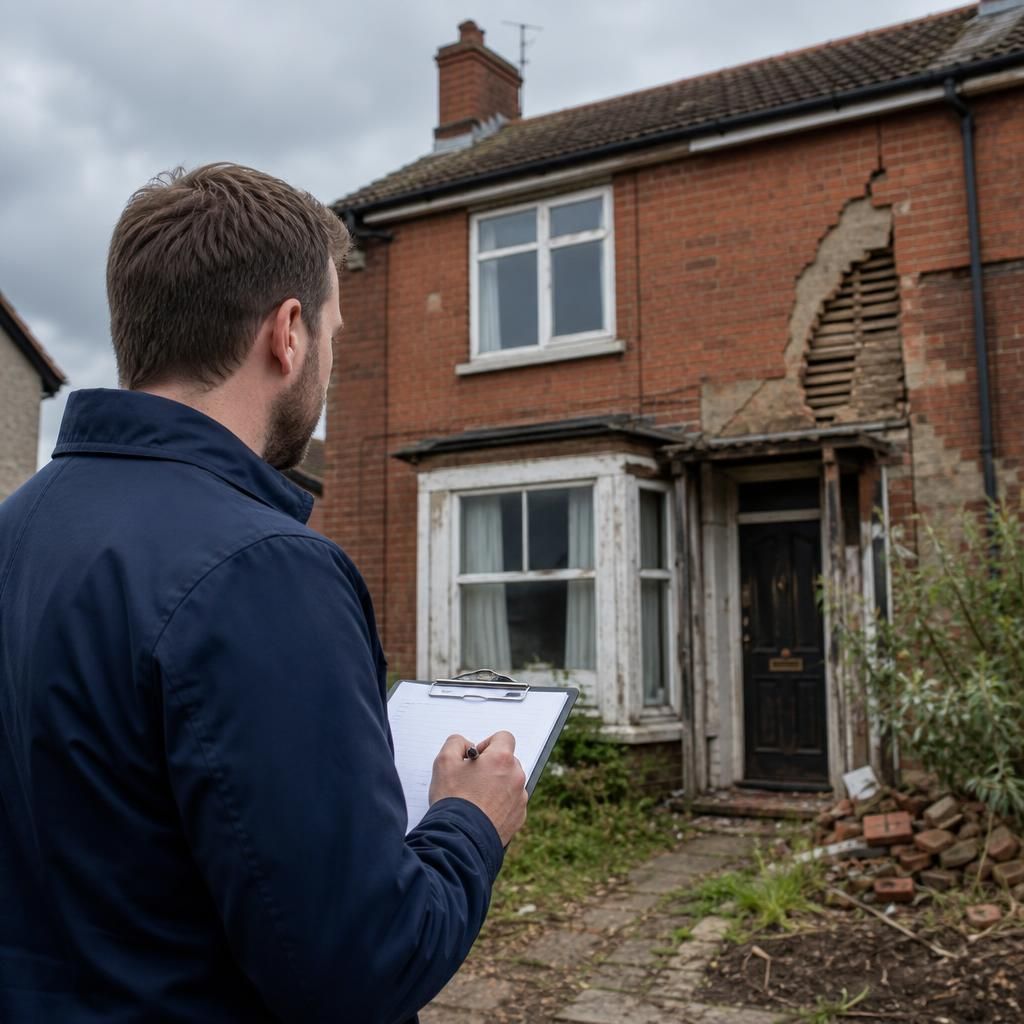
A probate valuation should distinguish between defects that affect the property’s underlying value and cosmetic work that mainly affects presentation. For example, dated décor may narrow buyer appeal without changing the building’s fundamental utility, whereas subsidence, unsafe services or serious water ingress can restrict finance and reduce the number of willing buyers. This distinction helps the valuer assess how the market would have viewed the property on the valuation date, rather than applying a simple deduction for every visible imperfection.