

What are the steps involved in valuing a property for probate?
Valuing a property for probate involves confirming the property details, inspecting its condition, researching comparable local sales and assessing its open-market value at the date of death. The valuer then documents the method, evidence and final figure in a written report for the executor and HM Revenue & Customs.
The probate valuation process is a documented assessment of a property’s market value at the relevant date, usually the date of the owner’s death, for estate administration and potential Inheritance Tax reporting. It involves more than estimating a likely sale price: the valuer must establish the correct legal interest, consider evidence available for the relevant date and present a defensible conclusion that the executor can use in the estate accounts.
- Confirm the purpose and valuation date. The executor should explain whether the valuation is required for an Inheritance Tax return, the Grant of Probate, estate accounts, a later sale, or more than one purpose. These uses may require different reporting detail. The valuation date must be recorded clearly, because property markets and the condition of an asset can change after the death.
- Identify the interest being valued. The valuer establishes whether the deceased owned the whole property, a share, a leasehold interest, or another legal interest. The title register, lease, plan and any ownership agreement may be relevant. Joint ownership, restrictions on disposal, rights of way, occupational arrangements and unusual lease terms can affect the interest’s value and should not be overlooked.
- Collect supporting documents. Useful information may include the title register, lease, previous purchase details, planning documents, building regulation records, tenancy agreements, service-charge information, insurance details and correspondence about disputes or defects. The executor should also disclose known issues rather than relying on a valuer to discover every matter independently.
- Arrange access and establish the property’s condition. The inspection records the accommodation, layout, alterations, quality of construction, repair requirements and any features that influence demand. If access is restricted, the report should state the limitation and explain whether the conclusion is based on an external inspection, photographs, documents or other evidence.
- Investigate legal and physical complications. The valuer considers matters such as unauthorised alterations, planning uncertainty, structural movement, Japanese knotweed, flooding, contamination, fire damage, subsidence, empty-property deterioration and ongoing works where these are known or apparent. A valuer is not necessarily a structural engineer, solicitor or environmental consultant, so specialist reports may be needed before the effect on value can be assessed reliably.
- Analyse the appropriate market evidence. Comparable transactions are selected for similarity in location, property type, size, condition, tenure and timing. The valuer adjusts the evidence where the subject property differs from the comparables. Asking prices and online estimates can provide context, but completed transactions generally offer stronger evidence than unagreed marketing figures.
- Consider the valuation basis and assumptions. The report should explain whether the conclusion represents open-market value and set out material assumptions, such as satisfactory title, vacant possession, access to services or the absence of undisclosed defects. If the property was occupied, let, partly developed or subject to a restriction, those circumstances should be addressed rather than hidden in a general qualification.
- Prepare the written valuation. A useful report normally identifies the property, ownership interest, valuation date, inspection date, method, evidence, assumptions, limitations and final opinion. It should also explain any significant deductions or adjustments and make clear whether the figure applies to the entire property or only to the deceased’s share.
- Check the figure against the estate information. The executor should compare the report with the title documents, mortgage information, insurance records and known events affecting the property. Questions should be raised promptly if the report contains an incorrect ownership detail, omits a material defect or uses an assumption that does not reflect the circumstances.
- Use the valuation consistently in the administration. The agreed figure may feed into the estate inventory, tax calculations, probate records and any later accounting to beneficiaries. A later sale price may be higher or lower because market conditions, repairs, marketing strategy and the property’s condition have changed. It does not automatically replace the original date-of-death valuation.
Where the property is sold after the valuation, the executor should retain the sale particulars, offers, completion statement and evidence of any improvement or deterioration. These records help explain differences between the probate figure and the eventual proceeds and may be relevant to further tax or estate-accounting work.
If beneficiaries disagree with the figure, the practical first step is to identify the precise issue: ownership, condition, comparable evidence, assumptions or the valuation date. A second opinion can then address that issue directly. It is more useful than commissioning an unexplained replacement estimate, particularly where the property has unusual legal or physical characteristics.
The executor remains responsible for giving complete information and submitting the relevant estate documentation, while the valuer is responsible for applying an appropriate valuation method and explaining the evidence. For complex estates, the executor may need coordinated advice from a probate solicitor, tax adviser, surveyor or other specialist. The final report should be retained with the estate records so that the basis of the property figure remains clear if HM Revenue & Customs, beneficiaries or other advisers later request clarification.
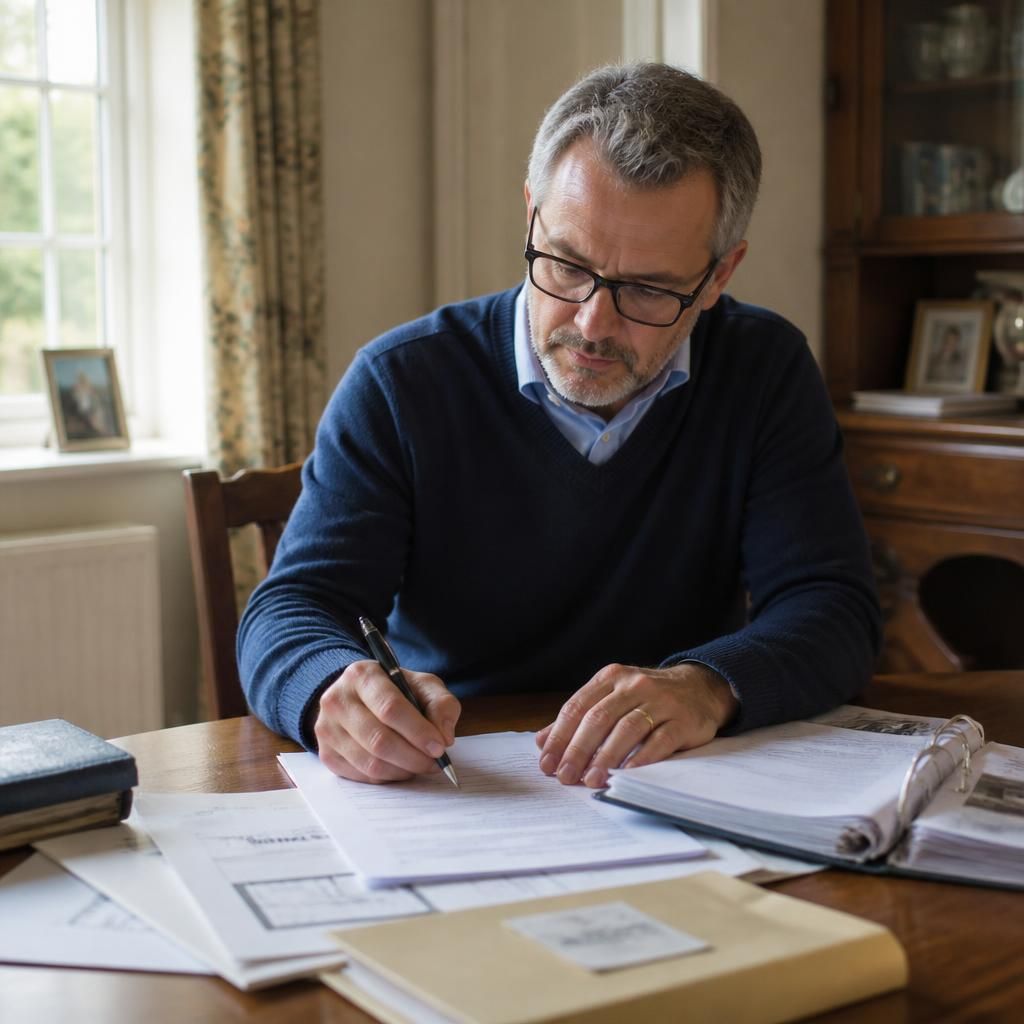
A probate valuation is often retrospective: the inspection may take place after the owner’s death, but the opinion must relate to the property’s market value at the date of death. The valuer therefore separates facts that existed at that date from later events, such as renovation, deterioration, market movement or a change in local demand.
Later evidence can still help test the conclusion when it sheds light on the earlier market, but it should not be treated as proof of the property’s condition or value at the valuation date without proper analysis. This distinction gives the executor a clearer audit trail if the figure is reviewed during estate administration.