

What challenges might executors face when valuing an estate for probate?
Executors may struggle to establish an accurate probate valuation because they must assess each asset at the correct valuation date while accounting for property condition, market evidence, ownership details and any legal or leasehold restrictions. Incomplete paperwork, unusual properties and disagreement between beneficiaries can add further complexity and may require independent professional advice.
The main challenges in valuing an estate for probate are establishing the full range of assets, applying the correct valuation basis to each one, and producing evidence that supports the figures reported to the probate and tax authorities. Executors must often value property alongside bank accounts, investments, vehicles, personal possessions, business interests and debts, even when the deceased’s records do not provide a complete picture.
Identifying every asset and liability
An estate valuation begins with an inventory of what the deceased owned and owed. This may involve reviewing bank and investment statements, pension information, insurance policies, vehicle documents, business records and household possessions. Executors can face difficulty where assets are held through several providers, accounts have recently been closed, or property is located in more than one place.
Liabilities must also be considered when establishing the estate’s net value. These can include mortgages, loans, credit balances, unpaid household bills, care costs and funeral expenses, depending on the rules applicable to the probate and tax calculations. Treating a debt as an estate liability without supporting evidence, or overlooking an outstanding balance, can lead to an incorrect result.
Choosing the appropriate valuation basis
Different assets may need different methods of assessment. A property is generally considered by reference to its market value, while quoted investments can be valued using relevant market information and personal possessions may require a specialist assessment. Executors must distinguish between a realistic open-market figure and an insurance replacement cost, auction estimate or sentimental value. These figures are not interchangeable.
Some assets are difficult to value because they are rarely sold in comparable circumstances. Examples include collections, antiques, artwork, private company shares, agricultural interests and specialist equipment. A catalogue, purchase receipt or online estimate may provide useful background, but it may not be sufficient evidence for a valuable or unusual item.
Dealing with jointly held and partly owned assets
Not every asset connected with the deceased automatically forms part of the estate in the same way. Joint bank accounts, jointly owned land, partnerships and company interests may each have different ownership and valuation implications. The executor may need to establish the deceased’s actual entitlement rather than simply include the whole asset value.
It is also important to separate assets passing under the will from assets that pass by another legal mechanism, such as a nomination or survivorship arrangement. The treatment for probate and the treatment for inheritance tax are not always identical, so assumptions should be checked against the relevant documents and professional guidance.
Valuing household contents and personal possessions
Household contents are often underestimated because individual items appear modest in value. Jewellery, watches, vehicles, collectables, musical instruments and artwork may materially affect the estate total. Conversely, second-hand values can be much lower than the original purchase prices.
Executors should create an itemised record, retain photographs where appropriate and keep receipts or independent assessments for higher-value possessions. Selling an item after death does not automatically prove that its probate value was the same as the eventual sale proceeds, particularly where the sale method, timing or costs differed.
Managing tax and reporting consequences
The valuation may be used in more than one part of the administration process. It can affect the information submitted with the probate application, inheritance tax reporting, the calculation of any tax due on later disposals and the accounts provided to beneficiaries. An error in one asset category can therefore require several records to be amended.
Executors should keep a clear audit trail showing how each figure was reached, the date of any supporting statement or appraisal, and any assumptions made. Where a value is uncertain, the uncertainty should be recorded rather than concealed by an unsupported figure. Tax treatment can depend on the nature of the asset and the circumstances of the estate, so specialist tax advice may be appropriate.
Handling assets that change in value
Property, investments and certain other assets may rise or fall in value during administration. The value used for the estate is not necessarily the same as the price achieved when an asset is eventually sold. Executors therefore need to keep the original valuation separate from later sale information and account for any relevant gain, loss or administration expense under the applicable rules.
This distinction is particularly important when beneficiaries receive assets in specie rather than receiving cash. The estate accounts should show which value was used, how the asset was transferred and whether a later transaction created a separate tax or accounting issue.
Practical steps for reducing valuation problems
- Prepare a complete asset and liability schedule before finalising any figures.
- Separate estate assets from items that pass outside the estate or are held on behalf of someone else.
- Use suitable evidence for each category, such as statements, sale records, formal appraisals or relevant market data.
- Record assumptions, ownership proportions and any uncertainty in writing.
- Keep copies of correspondence with financial institutions, valuers and tax advisers.
- Reconcile the valuation schedule with the estate accounts before submitting information or distributing funds.
The executor remains responsible for making a reasonable and properly supported declaration, even where individual valuations are obtained from specialists. Independent advice is especially useful for private company interests, high-value personal possessions, agricultural or commercial assets, and estates involving complex tax treatment. A structured record of the valuation process helps demonstrate that the figures were reached carefully and gives beneficiaries and authorities a clear basis for reviewing the estate.
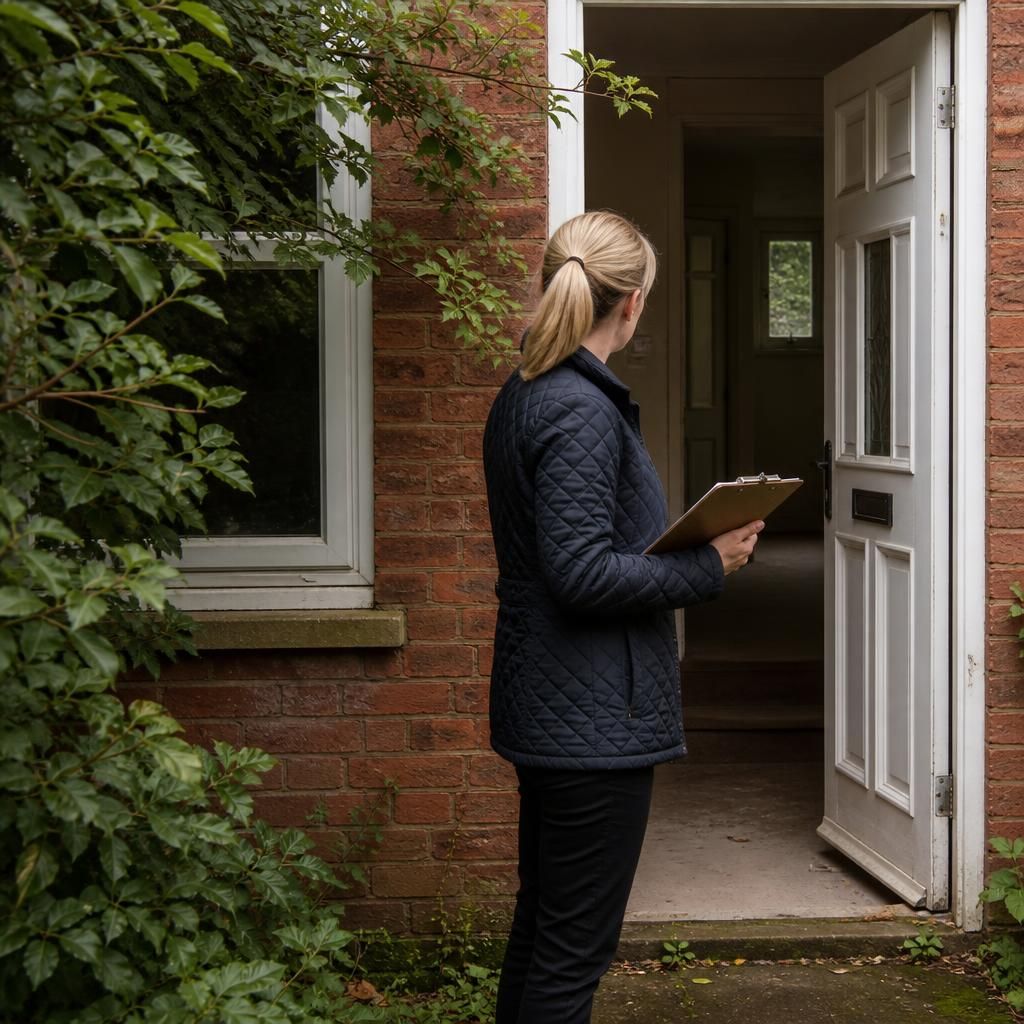
Accessing and inspecting estate property can be a significant challenge for executors, particularly where the home is vacant, occupied by a beneficiary or tenant, or located far from the executor’s usual area. A valuer may need access to all rooms, outbuildings, gardens and parking areas to identify features that affect market value. Restricted access can leave important details unverified and weaken the supporting evidence for the valuation.
Executors should arrange an inspection promptly, secure the property and keep records of any areas that could not be viewed. They should also provide relevant information about planning permissions, alterations, rights of way, tenancy arrangements and known defects. Clear notes about access limitations help distinguish a confirmed fact from an assumption in the final estate valuation.
Explore your options for a probate property valuation
If unresolved questions remain about a property’s probate value, consider obtaining an independent valuation before finalising the estate accounts. Review the available probate property valuation options to ensure the evidence suits the property and the estate’s circumstances.