

Will a fast cash buyer purchase my property in any condition?
A fast cash buyer may purchase a property in almost any physical condition, including homes requiring substantial repairs or clearance. The decision still depends on factors such as the property’s value, title, occupancy and any legal issues, so a purchase is not automatic.
The condition of a property is rarely an automatic barrier to a cash sale, but it will affect the buyer’s assessment of risk, the proposed price and whether the purchase is viable. A home may be considered even if it is unmodernised, vacant, damaged, partly unfinished or unsuitable for immediate occupation.
Properties commonly considered include:
- Homes needing major structural, electrical, plumbing or roofing work
- Properties affected by fire, flooding, subsidence or long-term neglect
- Uninhabitable homes requiring clearance, renovation or specialist treatment
- Empty properties containing substantial furniture, waste or personal belongings
- Unmodernised houses with outdated kitchens, bathrooms, heating or insulation
- Buildings with non-standard construction or alterations that need further investigation
A cash buyer normally assesses the property as it stands rather than expecting the owner to complete repairs before marketing it. This can be relevant where repair work would require upfront money, organising several contractors or waiting for the work to finish. The buyer may instead factor the likely cost of works, professional reports, building control requirements and the risk of unexpected defects into the offer.
Visible defects should be described accurately from the outset. Information about leaks, movement, damp, previous flooding, defective installations, planning matters or known contamination helps the buyer carry out appropriate checks. Concealing a material problem can cause difficulties during conveyancing, particularly if later investigations contradict information already provided.
Condition is only one part of the assessment. A buyer may also need to establish who owns the property, whether anyone has a right to occupy it, whether there is a mortgage or other charge, and whether alterations have the necessary consents. Tenancies, probate matters, boundary disputes and restrictions on the title can require additional legal work. These issues do not necessarily prevent a sale, but they may affect the structure or terms of the transaction.
A property inspection, valuation and legal due diligence remain important even where the buyer is paying cash. Cash removes the need for a mortgage lender’s valuation, but it does not remove the need to understand the building or confirm that the seller can transfer good title. Depending on the circumstances, the buyer may ask for photographs, reports, planning documents, guarantees, tenancy information or details of previous insurance claims.
Some properties may not be suitable for purchase if the risks cannot be reasonably assessed or resolved. Examples can include an unresolvable title defect, serious restrictions on use, unlawful occupation or contamination requiring specialist remediation. A clear explanation of the problem allows the buyer and conveyancers to determine whether a practical solution exists.
Before accepting an offer, ask how the condition has been reflected in the valuation, which repairs the buyer expects to undertake and whether any further inspection or legal information is required. A written offer should be checked alongside the proposed sale terms, and independent legal advice can help clarify your obligations. In short, extensive disrepair may be manageable, but the property must still be legally transferable and sufficiently understood for the buyer to price and complete the transaction responsibly.
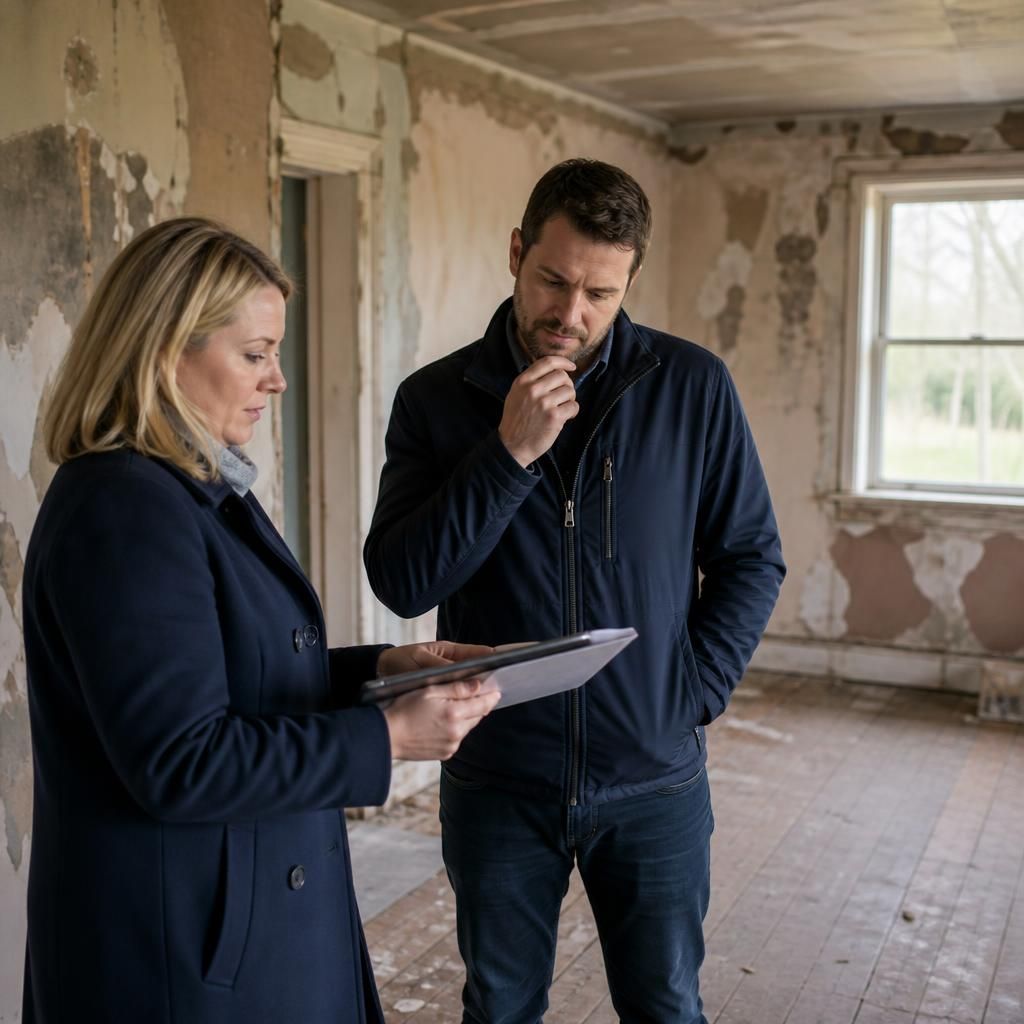
“Any condition” does not mean that every property receives the same type of offer. A cash buyer may distinguish between a home that needs cosmetic updating, a property requiring specialist restoration and a building whose current use or future use is uncertain. The intended use, surrounding market and practicality of the proposed works can all influence whether the property is suitable for purchase.
For a property needing significant work, examine the offer terms as carefully as the headline price. Check whether the buyer expects vacant possession, whether the offer is subject to further investigations and what happens if new information is found. This helps you understand whether the proposed sale reflects the property’s actual circumstances rather than assuming that “as seen” removes every condition of the transaction.