

How does the condition of the local property market affect the speed of a home sale?
The local property market affects sale speed through buyer demand, available housing stock and the gap between asking prices and current market value. In a strong market, competition can produce quicker offers, while weaker demand or unrealistic pricing may extend the sale; a direct cash sale can reduce reliance on conventional buyer demand and property chains.
The condition of the local property market affects sale speed by influencing how confidently buyers proceed, how much evidence is available to support a valuation and how smoothly the transaction moves after an offer. The effect is not limited to the time a property spends advertised: local conditions can also affect mortgage approval, surveys, conveyancing and the risk of a buyer withdrawing.
Separate the sale into two stages
It is useful to distinguish between finding a buyer and completing the sale. A property may attract an offer quickly but still take considerably longer to complete if the buyer needs a mortgage, the survey identifies defects or the transaction is part of a long chain. Conversely, a property that takes longer to attract the right buyer may complete efficiently once an offer is accepted.
- Marketing period: the time between listing the property and receiving an acceptable offer.
- Pre-completion period: the time required for surveys, mortgage arrangements, searches, enquiries, exchange of contracts and completion.
Local market conditions can affect both stages, although not always in the same way. For example, an area may have active buyer interest but slower conveyancing because local solicitors, surveyors or lenders are dealing with high workloads.
Why local conditions matter more than broad market headlines
National house-price trends provide context, but they do not determine how quickly an individual property will sell. Conditions can vary between neighbouring towns, streets and property types. A local market may be relatively active for family houses but slower for flats, properties requiring renovation or homes with unusual lease terms.
Relevant local indicators include:
- Recent completed sale prices for comparable properties, rather than only current asking prices.
- The length of time similar homes have remained available.
- Whether agreed sales are progressing to exchange and completion.
- The proportion of buyers relying on mortgages.
- Local issues such as transport changes, planning proposals, employment conditions or flood risk.
These details help establish whether a slow sale reflects the wider market or a particular issue with the property, its presentation or its terms.
Mortgage conditions can extend the timeline
When many prospective buyers require borrowing, changes in lending criteria can have a direct effect on sale speed. A buyer may need to provide more documentation, wait for a formal mortgage offer or obtain a satisfactory valuation from the lender. If the lender values the property below the agreed price, the buyer may renegotiate, find additional funds or withdraw.
Interest-rate movements and lender risk assessments can therefore affect transactions even after an offer has been accepted. A seller cannot control a buyer’s finances, but can reduce avoidable delays by supplying property information early and ensuring that any known alterations, guarantees or planning documents are available.
Local market conditions and property preparation
In a slower market, buyers usually have more opportunity to compare properties. Unresolved maintenance issues, poor-quality photographs, unclear room measurements or missing certificates can make a home less competitive and create further questions during conveyancing. In a faster market, buyers may be more willing to accept minor imperfections, but defects can still affect the survey and the eventual completion.
Practical preparation should include checking that the title information is accurate, gathering guarantees and building-regulation documents, resolving obvious hazards and making the condition of the property clear in the particulars. Transparency is important: discovering an issue late in the transaction can cause renegotiation or delay regardless of the wider market.
Chains make local market conditions harder to predict
A sale involving several linked purchases depends on every transaction progressing. If one buyer’s mortgage is delayed, a search raises an issue or another seller changes their plans, the whole chain may be affected. This can make completion dates uncertain even where the property itself is correctly priced and well presented.
Ask an estate agent or prospective buyer about the strength of the proposed chain before treating an offer as secure. A buyer with no related sale may provide greater certainty, although the buyer’s funds and legal position should still be checked.
How to respond when the market is slow
- Review comparable completed sales and reassess whether the asking price reflects the property’s current condition.
- Ask for feedback from viewings, separating objections about price from concerns about layout, defects or location.
- Make the legal pack and supporting documents available as early as possible.
- Set a clear timescale for reviewing the marketing strategy rather than leaving the property unchanged indefinitely.
- Consider whether a conventional sale, a lower-risk buyer or a direct sale to a cash buyer is most suitable for the circumstances.
A direct cash sale can be less dependent on mortgage lending and may avoid some chain-related uncertainty, but it is still subject to valuation, proof of funds, legal checks and the buyer’s due diligence. The right option depends on whether the priority is achieving the highest possible price, reducing exposure to market changes or obtaining greater certainty in the transaction.
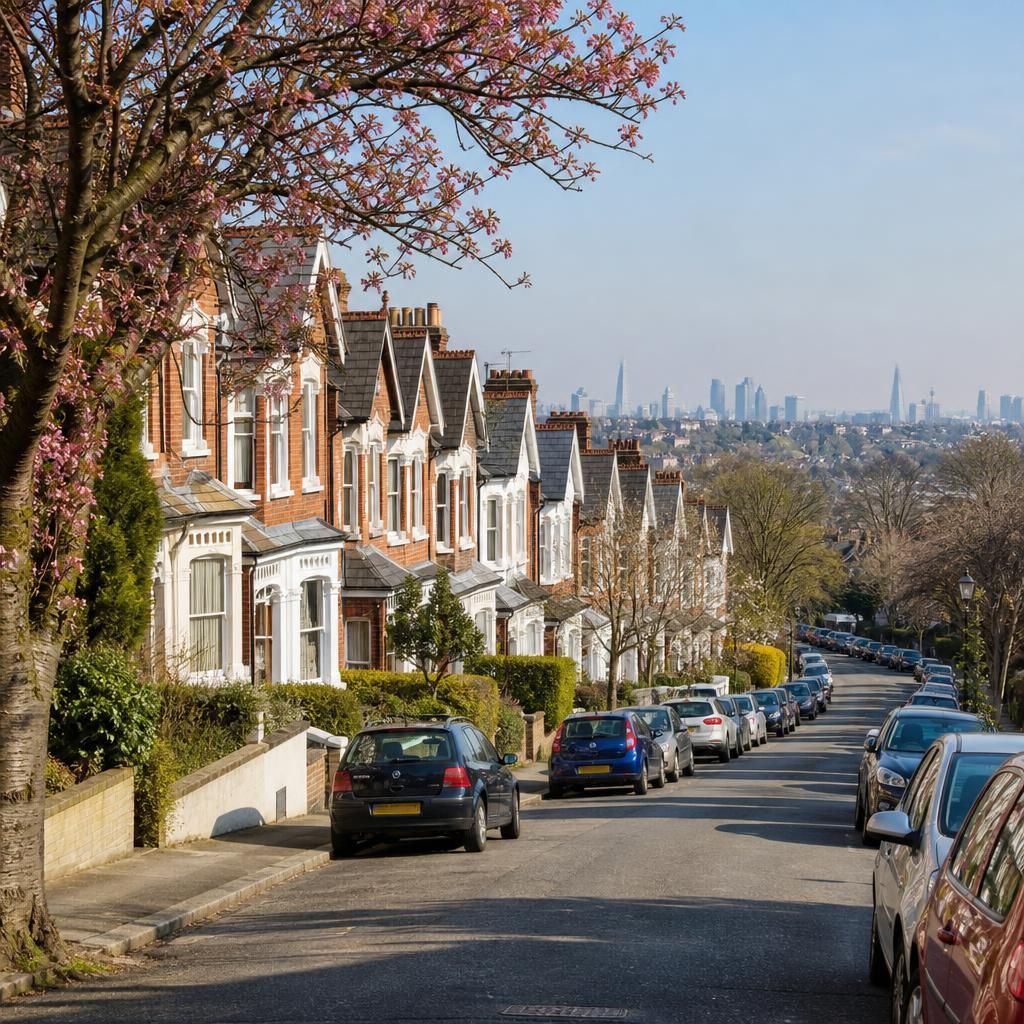
Seasonal demand is one local market factor that can affect how quickly a home attracts suitable buyers. Activity may vary during the year as people coordinate moves with school terms, employment changes, holidays and household finances, so the same property can receive different levels of interest at different times.
To interpret this effect accurately, compare the property with similar homes marketed during the same season rather than relying only on older sales data. If enquiries are limited but comparable properties are also taking longer to secure offers, timing may be contributing to the delay. If similar homes are selling while yours receives little interest, price, presentation or property-specific concerns are more likely to require review.