
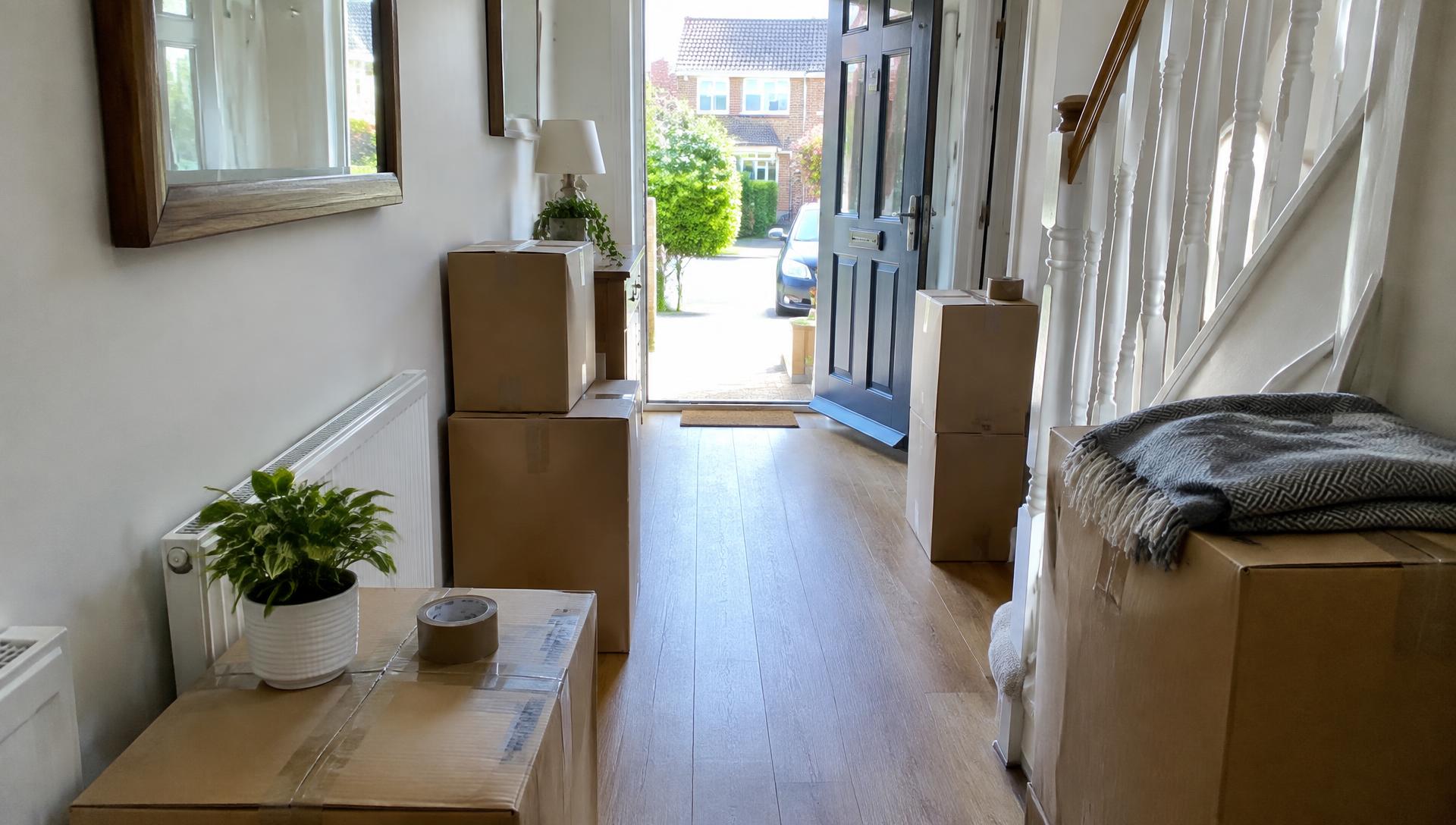
What practical steps can be taken to improve the appeal of a home that needs to be sold quickly?
Improve a home’s appeal for a quick sale by decluttering, cleaning thoroughly, completing visible minor repairs and presenting each room in a bright, neutral style. Tidy the garden and entrance, remove personal items and use clear, accurate photographs so buyers can assess the property easily.
Improving a home’s appeal for a quick sale means concentrating effort on the factors that influence buyer confidence, perceived value and the likelihood of a smooth transaction. The most effective approach is to prioritise safety, evidence of proper maintenance, accurate information and a presentation that allows buyers to understand the property without unnecessary uncertainty.
Prioritise defects that could affect a survey. Cosmetic work is rarely worthwhile if more significant concerns remain unresolved. Check for signs of damp, active leaks, defective gutters, damaged roof coverings, unreliable heating, unsafe electrical fittings and windows or doors that do not operate properly. Where a problem is beyond simple maintenance, obtain an assessment from a suitably qualified professional rather than concealing it. A clear explanation, repair receipt or specialist report can give a buyer more confidence than an unexplained defect discovered during conveyancing.
Make the property feel properly maintained. Buyers often assess maintenance through small details. Replace failed light bulbs, tighten loose handles, deal with dripping taps, renew damaged sealant and ensure cupboards, doors and drawers work as expected. These jobs are relatively contained, but they help prevent viewers from assuming that less visible parts of the property may also have been neglected. Do not spend heavily on premium fittings or major alterations unless there is a clear reason that they will help the sale.
Use improvements that suit the likely buyer. A quick sale is not usually the right time for highly personal renovations. A new kitchen, bathroom or extension can take substantial time and may not recover its cost. Instead, consider whether the existing layout is easy to understand and whether each room has a clear purpose. Remove bulky furniture where it restricts movement, keep access to windows and storage practical, and avoid arranging rooms in a way that makes their use difficult to judge.
Check light, ventilation and comfort. Before viewings, open internal doors where appropriate, ventilate rooms and replace damaged curtains or blinds that block windows. Maintain a comfortable temperature and resolve persistent odours at their source rather than relying on air fresheners. If a room is naturally dark, use suitable lamps and avoid heavy furnishings that make it feel smaller. These measures should support an accurate impression of the property, not disguise its underlying condition.
Prepare the information a buyer will need. Appeal is not only visual. Gather guarantees, planning permissions, building regulations certificates, warranties, boiler servicing records and details of work carried out. For leasehold homes, relevant information may include the length of the lease, service-charge details, ground-rent information and planned major works. Missing documents can create uncertainty and may delay legal work, even where the property itself is attractive.
Check compliance and safety matters early. Confirm that alterations such as removed walls, loft conversions, replacement windows or converted outbuildings have the appropriate permissions or certificates. Arrange any legally required checks and identify whether a property has restrictions, access issues or shared maintenance obligations. If there is a known problem, disclose it accurately. Early transparency gives prospective buyers and their advisers an opportunity to assess the position properly.
Improve the first impression without over-investing. Ensure the approach to the property is safe and unobstructed, that external fixtures are secure and that house signage is easy to identify. Check that gates, locks and access points work correctly. For flats or leasehold properties, pay attention to the condition and presentation of areas that visitors use to reach the home, while recognising that some communal improvements may require agreement from a management company or other owners.
Make the home easy to assess during viewings. Provide access to useful areas such as storage spaces, utility rooms, lofts and parking spaces where possible. Keep keys, alarm instructions and information about heating controls available. If there are unusual features, rights of way, shared facilities or restrictions on use, explain them factually rather than allowing a buyer to make an incorrect assumption. A property that can be assessed clearly is less likely to generate avoidable questions later.
Compare the cost of each improvement with the likely benefit. Before commissioning work, obtain quotes and consider whether it addresses a genuine objection, reduces a known risk or simply reflects personal taste. Keep invoices and certificates for completed work. Avoid starting projects that are unlikely to be finished to a good standard before the property needs to be marketed, as incomplete work can reduce confidence.
If the home has substantial physical defects, complicated paperwork or a situation where a conventional sale may be difficult to manage, improving its presentation is only one part of the decision. A direct cash buyer may assess the property in its existing condition, so it can be useful to compare that route with the cost, preparation and uncertainty involved in carrying out further work before seeking a sale.
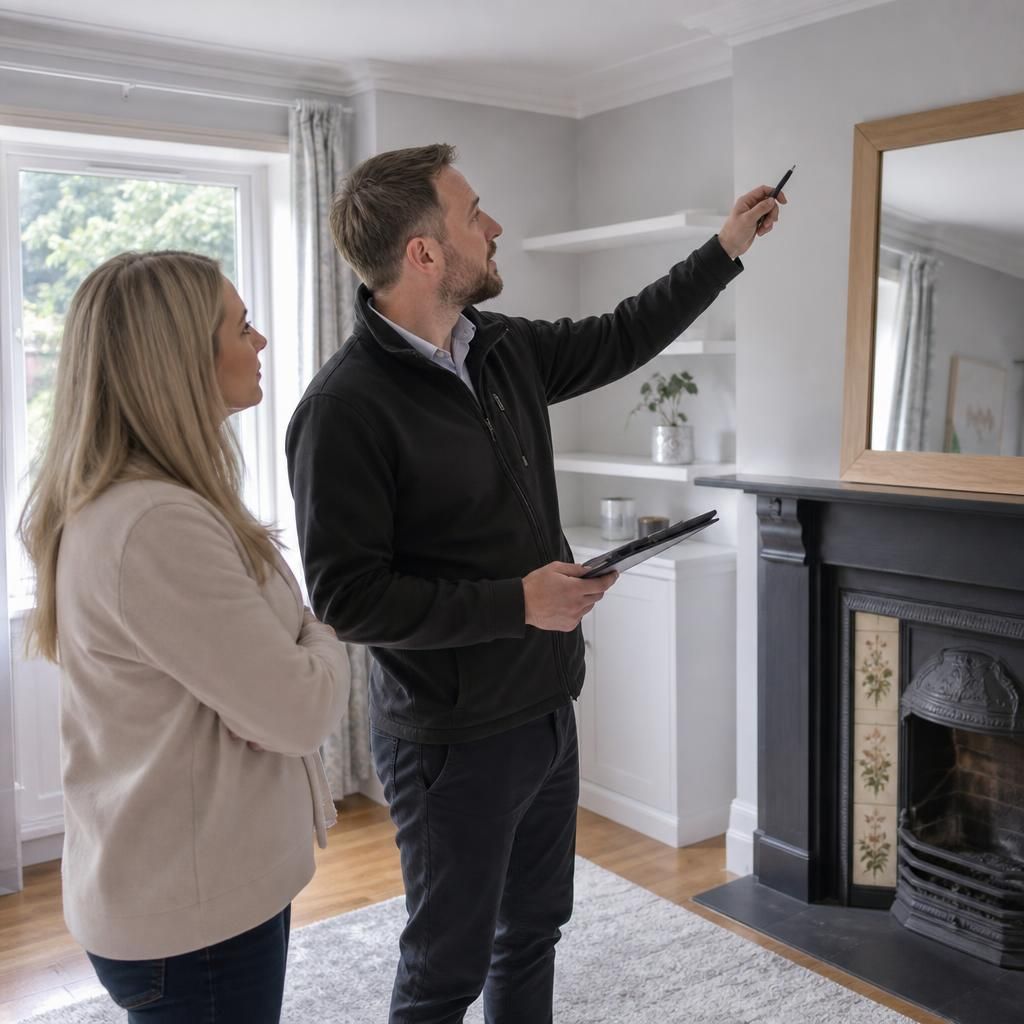
An objective pre-sale assessment can identify which improvements are most likely to strengthen a home’s appeal. Ask an independent property professional to walk through the property as a buyer would and distinguish genuine concerns from changes based only on personal taste.
Use the feedback to create a short priority list before spending money. For example, correcting a feature that repeatedly raises concern may be more worthwhile than replacing finishes that are functional but dated. This approach helps keep preparation focused, avoids unnecessary work and supports a more accurate presentation of the home’s condition.