

What steps should I take if a quick home sale is not attracting buyers?
If a quick home sale is not attracting buyers, review the asking price, listing presentation, property condition and marketing reach to identify what may be discouraging enquiries. If a traditional sale remains unsuitable, compare the terms of a direct sale to a cash buyer, including the proposed price, fees, legal process and timescale.
If a quick home sale is not attracting buyers, first identify where the process is failing: few enquiries usually indicate a visibility or positioning problem, while viewings without offers may point to buyer objections, affordability or unresolved property issues. Use this diagnosis to choose a targeted response rather than making repeated changes without evidence.
Review the evidence from the listing. Check the number and quality of enquiries, viewing requests, completed viewings and offers. Ask the estate agent or anyone handling enquiries for specific feedback, including whether buyers considered the property overpriced, were concerned about the tenure or noticed defects. If several independent viewers raise the same issue, treat it as a practical objection to resolve. If there have been very few enquiries, check that the property is being shown to the right audience and that important information is easy to find.
Check that buyers can progress the purchase. Some buyers withdraw because essential information is missing, not because they have rejected the property itself. Gather documents such as title information, guarantees, planning permissions, building regulations approvals and certificates for relevant work. For a leasehold property, prepare details of the lease, service charges, ground rent, planned major works and managing agent. If the sale involves probate, divorce or another legal arrangement, confirm who has authority to sell and whether any additional consent is required.
Remove avoidable uncertainty. Be clear about what is included in the sale, the tenure, any known defects, restrictions, access arrangements and the preferred timescale. A buyer may be more willing to proceed when they understand an issue and can assess its cost than when information emerges gradually. Do not conceal defects or make claims that cannot be supported; inaccurate information can cause renegotiation, delay or a failed transaction later.
Consider whether the transaction structure is discouraging offers. A sale that depends on a long chain, unresolved onward purchase or uncertain mortgage position may be less attractive than one with a clearly managed process. Establish whether prospective buyers have an agreement in principle, whether they have a related property to sell and whether they can demonstrate the source of their funds. This does not remove all risk, but it helps distinguish genuine obstacles from a lack of interest in the property.
Set a decision point for the current approach. Continuing indefinitely with the same strategy can create a stale listing and make buyers assume that there is a hidden problem. Decide in advance what evidence would justify a change, such as repeated feedback, an absence of suitable offers or a material change in your circumstances. A controlled relaunch may be appropriate after correcting the underlying issue, but simply changing the advertised wording without addressing buyer concerns is unlikely to solve the problem.
Reassess the financial objective. The highest advertised figure is not necessarily the best result if the property remains unsold, mortgage interest and other holding costs continue, or a later buyer negotiates more aggressively. Calculate the amount needed to repay the mortgage, settle known liabilities and cover professional costs. Then compare the likely net proceeds and certainty of different routes, rather than comparing headline prices alone. Ask for any charges to be explained in writing.
Obtain independent professional guidance where the circumstances require it. A conveyancer can check title problems, restrictions, lease terms and outstanding legal work. A mortgage lender can confirm the redemption figure and any requirements for repayment. For probate, matrimonial proceedings, shared ownership or complicated title arrangements, obtain advice from a suitably qualified solicitor before accepting an offer. These checks can prevent an agreed sale from failing during conveyancing.
Consider a direct cash sale if the open-market route no longer fits. A cash buyer may be relevant where the property has legal or physical complications, where a chain is creating uncertainty, or where the seller prioritises a more controlled transaction over maximum market exposure. This route still requires proper valuation and legal due diligence. Ask the buyer for written confirmation of the proposed purchase price, whether funding is available, what conditions apply, who pays which costs and whether the offer can be changed after inspections or searches.
When comparing a direct buyer with continuing through an estate agent, assess the complete terms rather than assuming that a cash offer is automatically simpler. Check the identity and track record of the buyer, instruct your own conveyancer, confirm that there is no obligation to use a linked service, and avoid signing documents you do not understand. A UK property seller can obtain quotations from several suitable routes, including a national cash-buying service, before choosing how to proceed.
In practical terms, the next step is to record the feedback received, resolve any missing information, verify the financial and legal position, and set a clear deadline for deciding whether to remain on the open market or request direct offers. This creates an evidence-based plan and reduces the risk of accepting a proposal that looks quick but cannot complete.
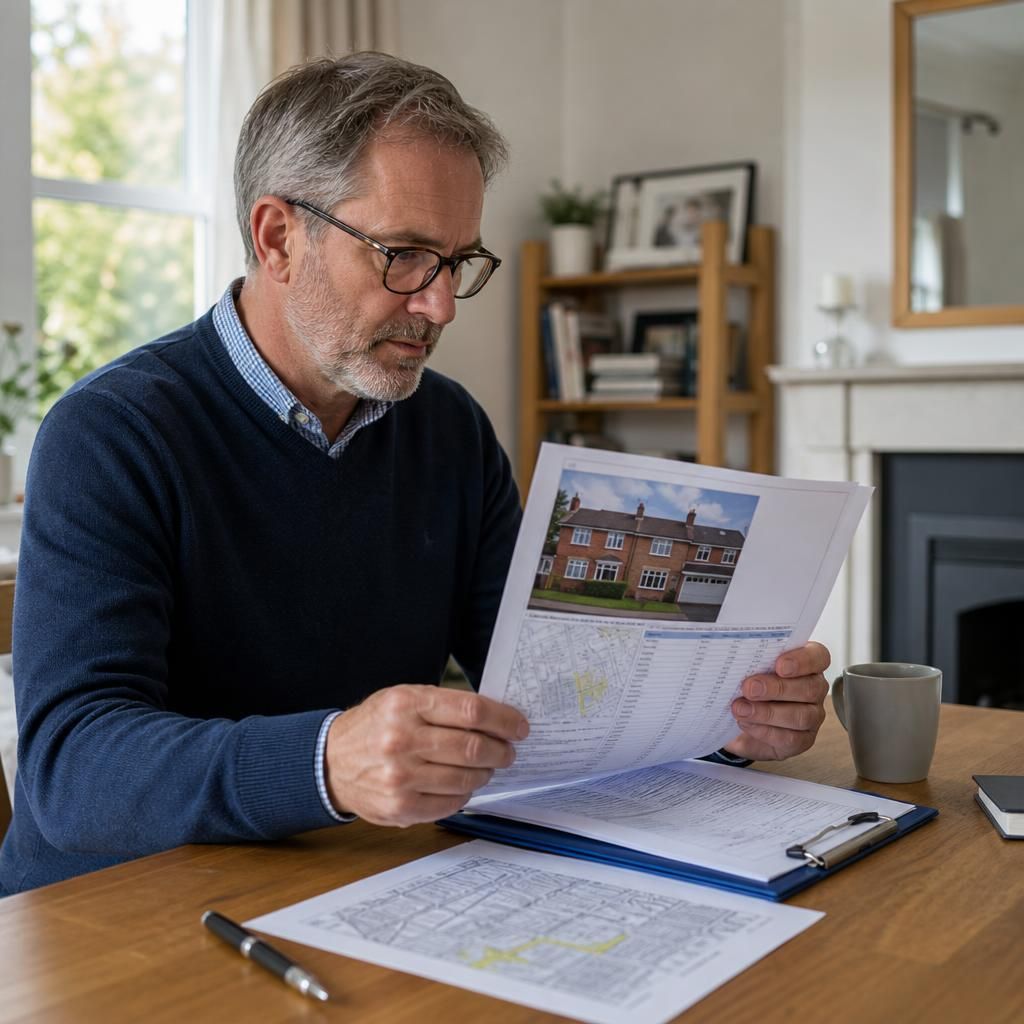
An independent valuation can help determine whether the asking price is preventing a quick home sale. Ask a suitably qualified valuer to assess the property using recent completed sales, rather than relying only on nearby asking prices or an initial agent’s estimate. The valuation should reflect the home’s condition, location, tenure, layout and any restrictions that could affect demand.
Use the report to separate a genuine pricing problem from weak marketing or a difficult sale structure. If the recommended figure is materially below the current asking price, calculate how a reduction would affect your net proceeds and compare it with the continuing costs of remaining unsold. If the valuation supports the asking price, investigate the listing, buyer information and transaction terms before changing the price. Keeping the written valuation also gives you a clearer basis for comparing any direct purchase proposal.
Discuss Your Options for a Quick Home Sale
If your current listing is not producing suitable interest, discuss your circumstances and priorities with a cash buyer before deciding whether to change your sale route. Request clear written terms so you can compare the proposed transaction with continuing on the open market.