

What steps should I take to prepare my house for a quick cash sale?
To prepare your house for a quick cash sale, gather the key property documents, provide accurate details about its condition and occupancy, and resolve any known ownership or legal issues where possible. A clear inventory of included fixtures and fittings, access arrangements for the valuation, and an honest account of defects can help prevent avoidable delays during the sale.
Preparing a house for a quick cash sale means making the property straightforward to assess, occupy and transfer without spending heavily on improvements that may not increase its value. Focus first on presentation, practical organisation and removing avoidable obstacles to the buyer’s checks and conveyancing.
- Remove clutter and excess belongings. Clear worktops, floors, cupboards, loft areas, garages and outbuildings as far as practical. A less crowded property is easier to inspect, measure and photograph, while clearing personal possessions can also make the eventual move more manageable.
- Clean the main areas. Pay particular attention to kitchens, bathrooms, windows, floors and entrances. This does not require an expensive deep clean or refurbishment, but a well-maintained appearance helps distinguish everyday dirt from genuine defects during an assessment.
- Complete only sensible minor repairs. Fix inexpensive issues such as dripping taps, loose handles, damaged light fittings or sticking internal doors where doing so is proportionate. Avoid major renovations, extensions or high-cost cosmetic work solely to prepare for a cash sale. A buyer may value the property based on its location, size, condition and required works, so improvement costs are not necessarily recovered in the sale price.
- Keep services operational for inspections. If the property is vacant, arrange appropriate care so that electricity, water, heating and security systems can be checked safely where necessary. Protect pipes from freezing conditions, deal with leaks and ensure that any alarm, gate or access system can be operated.
- Make the property safe to enter. Clear trip hazards, secure loose flooring, keep stairways unobstructed and identify any areas that need specialist access. If there are dangerous structures, contamination concerns or other safety risks, do not attempt unsuitable repairs; explain the issue and seek professional advice where appropriate.
- Prepare a concise property information pack. Alongside the formal paperwork requested by the conveyancer, note useful practical information such as the location of stopcocks, fuse boards, meters, heating controls, alarm instructions and any guarantees that remain relevant. This can reduce repeated questions during the transaction.
- Check outstanding financial matters. Ask your mortgage provider or lender for an up-to-date redemption statement when appropriate, and identify any secured loans, charges or other sums that may need to be settled from the proceeds. If the property is leasehold, gather information about service charges, ground rent, managing agents, major works notices and lease requirements.
- Choose a conveyancer early. A solicitor or licensed conveyancer can explain the forms required, review the contract and deal with title-related enquiries. Tell them at the outset that the sale is intended to proceed for cash, while recognising that the buyer may still carry out searches, surveys, identification checks and other due diligence.
- Clarify what will remain at the property. Decide which fitted items, appliances, curtains, garden equipment and other fixtures are included. Record the decision accurately in the contract or relevant forms rather than relying on an informal conversation. Remove anything excluded before completion, unless another arrangement has been agreed in writing.
- Plan the practical handover. Organise keys, remotes, parking permits, instruction manuals and relevant codes. Arrange for the property to be empty of unwanted possessions and rubbish by the agreed handover date, and take final meter readings when possession changes.
Do not delay disclosure of information simply because the buyer is paying cash. Cash funding may remove a lender’s mortgage valuation requirement, but it does not remove the need for accurate information or a proper transfer of ownership. Concealing a known problem can lead to renegotiation, legal disputes or additional enquiries later.
The most effective preparation is therefore proportionate: make the property clean, safe and accessible; organise the transaction; and avoid spending money on work that is unlikely to affect the buyer’s decision. Before accepting an offer, check the proposed terms carefully, including the price, included items, conditions, deposit arrangements and intended completion date, and have your conveyancer explain anything you do not understand.
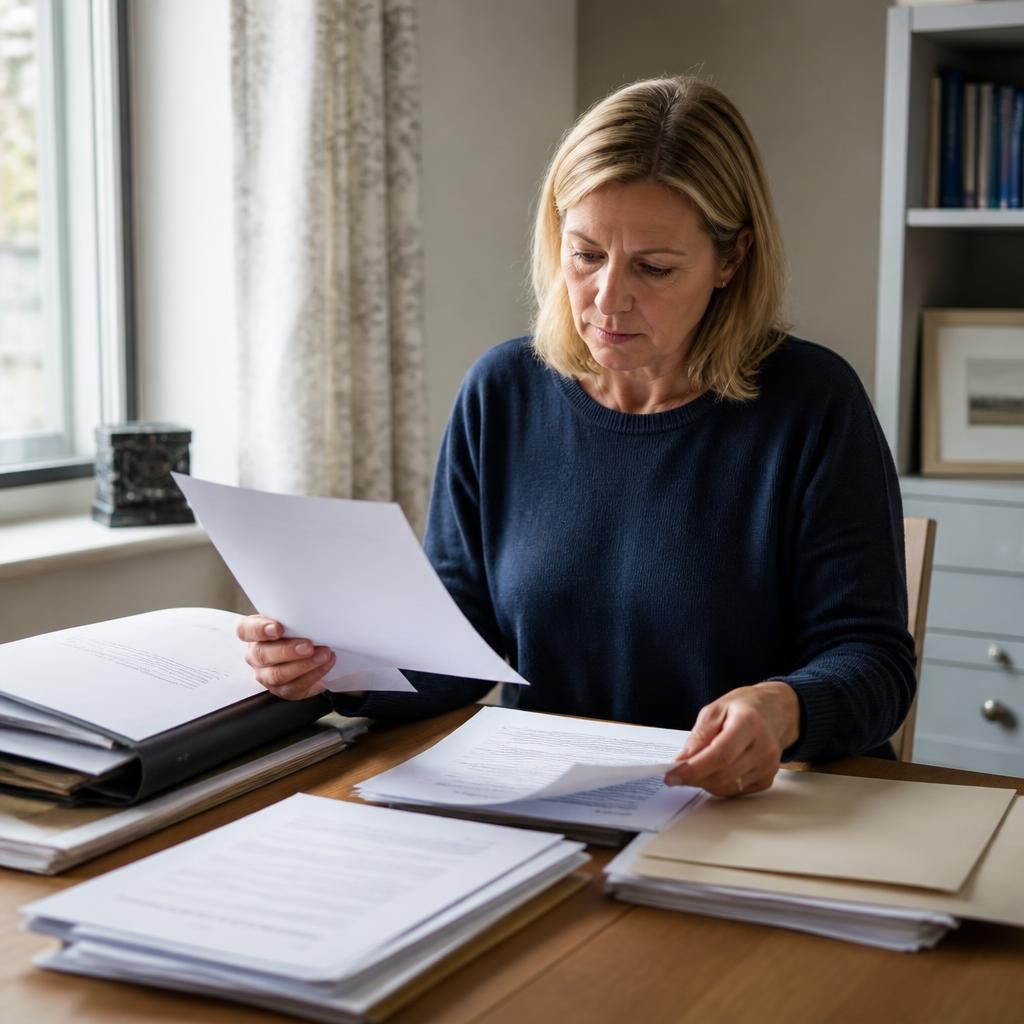
Gather evidence for any alterations before the property is assessed. Planning permissions, building regulations completion certificates, guarantees and relevant compliance documents can help establish what work was carried out and whether it was properly authorised. Include information about extensions, loft conversions, removed walls, replacement windows, solar installations or other significant changes.
If paperwork is missing, tell your conveyancer and the prospective buyer rather than assuming the issue will not arise. An accurate record allows the buyer to assess the property more efficiently and reduces the risk of additional enquiries or renegotiation later.