
What steps should I take to prepare my home for a quick sale?
To prepare your home for a quick sale, complete essential repairs, remove clutter, present each room neutrally, gather the required property paperwork and set a realistic asking price. Resolve known legal or maintenance issues early so they do not delay the buyer’s checks or completion.
Preparing a home for a quick sale means removing avoidable obstacles before a buyer commits, while presenting accurate information about the property and agreeing realistic terms. In addition to its physical presentation, preparation should cover ownership, finance, access, the transaction timetable and the evidence a buyer may need to assess the purchase.
Decide what the sale needs to achieve. Before marketing or accepting an offer, establish your preferred completion date, whether the property must be sold with vacant possession and which fixtures, appliances or furnishings will remain. If several owners are involved, confirm that everyone agrees with the intended sale route and price strategy. A lack of agreement between owners can create more delay than the property itself.
Review the property’s history and legal position. Make a written list of material facts that could affect a buyer’s decision. This may include alterations, extensions, previous insurance claims, disputes with neighbours, access arrangements, shared driveways, rights of way, boundary uncertainties, flooding history or restrictions on the title. Be particularly careful not to describe an alteration as approved unless you have evidence of the relevant consent or certificate. Early, accurate disclosure gives the buyer and conveyancer a clearer basis for their checks.
Identify financial and ownership issues. Ask your mortgage lender or broker for an up-to-date redemption figure and check whether there are second charges or other obligations secured against the property. If the home is jointly owned, held by an estate, subject to a trust or occupied by tenants, establish who has authority to sell and what arrangements are needed before completion. Leasehold owners should check the remaining lease term, ground rent, service charge position, planned major works and any restrictions affecting a sale.
Instruct a conveyancer early. A solicitor or licensed conveyancer can identify title restrictions, missing consents and ownership problems before they become offer-stage surprises. Complete identity checks and answer information requests promptly. If the sale involves probate, divorce, arrears or another formal process, tell the conveyancer at the outset so the correct documents and approvals can be considered rather than introduced late in the transaction.
Make access straightforward. Agree how prospective buyers, surveyors and valuers will enter the property. Keep keys, alarm instructions, parking details and any building access information together. If the property is tenanted, confirm the notice position and viewing arrangements with the occupants. Where pets, tenants or vulnerable residents are present, plan visits in advance so access does not repeatedly need to be rearranged.
Prepare accurate property information. Check room measurements, council tax details, tenure, parking arrangements, broadband availability and the age of significant installations before these details are published. Gather guarantees and service records for work or equipment where they exist. Accuracy matters more than presenting an unnecessarily broad list of features: an incorrect statement can lead to renegotiation, additional enquiries or a buyer withdrawing.
Assess whether further spending is sensible. Not every improvement helps a quick sale. Separate work needed for safety, compliance or basic functionality from cosmetic changes that may not be recovered in the sale price. Obtain advice before committing to substantial alterations, particularly where the work could require consent or create uncertainty about completion. Keep invoices, certificates and warranties for any work carried out.
Prepare for surveys and inspections. Make plant, loft spaces, meters, consumer units, boilers, drainage points and outbuildings accessible where it is safe to do so. Do not conceal damp, movement, leaks or other defects. If you already know that a specialist inspection may be appropriate, consider obtaining independent advice so you understand the issue and can explain what is known. A buyer’s survey is not replaced by a tidy presentation.
Compare offers by certainty as well as price. When an offer is received, ask whether the buyer has proof of funds, whether they are relying on a mortgage, whether another property must be sold and what conditions they attach to the offer. A cash offer still requires checks, conveyancing and agreement of the contract. Consider the proposed completion date, inclusions, survey position and likelihood of further negotiation rather than choosing solely on the headline figure.
Plan the move and handover. Decide where possessions will go, arrange removal or storage requirements and confirm which items are included in the contract. Keep the property insured until completion and retain records for meter readings, keys and final utility arrangements. A clear handover plan helps prevent disputes about missing items, access or the property’s condition on completion.
A cash buyer may be one route to consider when the priority is a simpler transaction, particularly where a chain or conventional mortgage timetable could complicate matters. However, compare the complete written terms, the proposed process and any deductions or conditions with other available routes. Good preparation does not guarantee a particular completion date, but it gives the buyer’s legal and financial checks fewer avoidable questions to resolve.

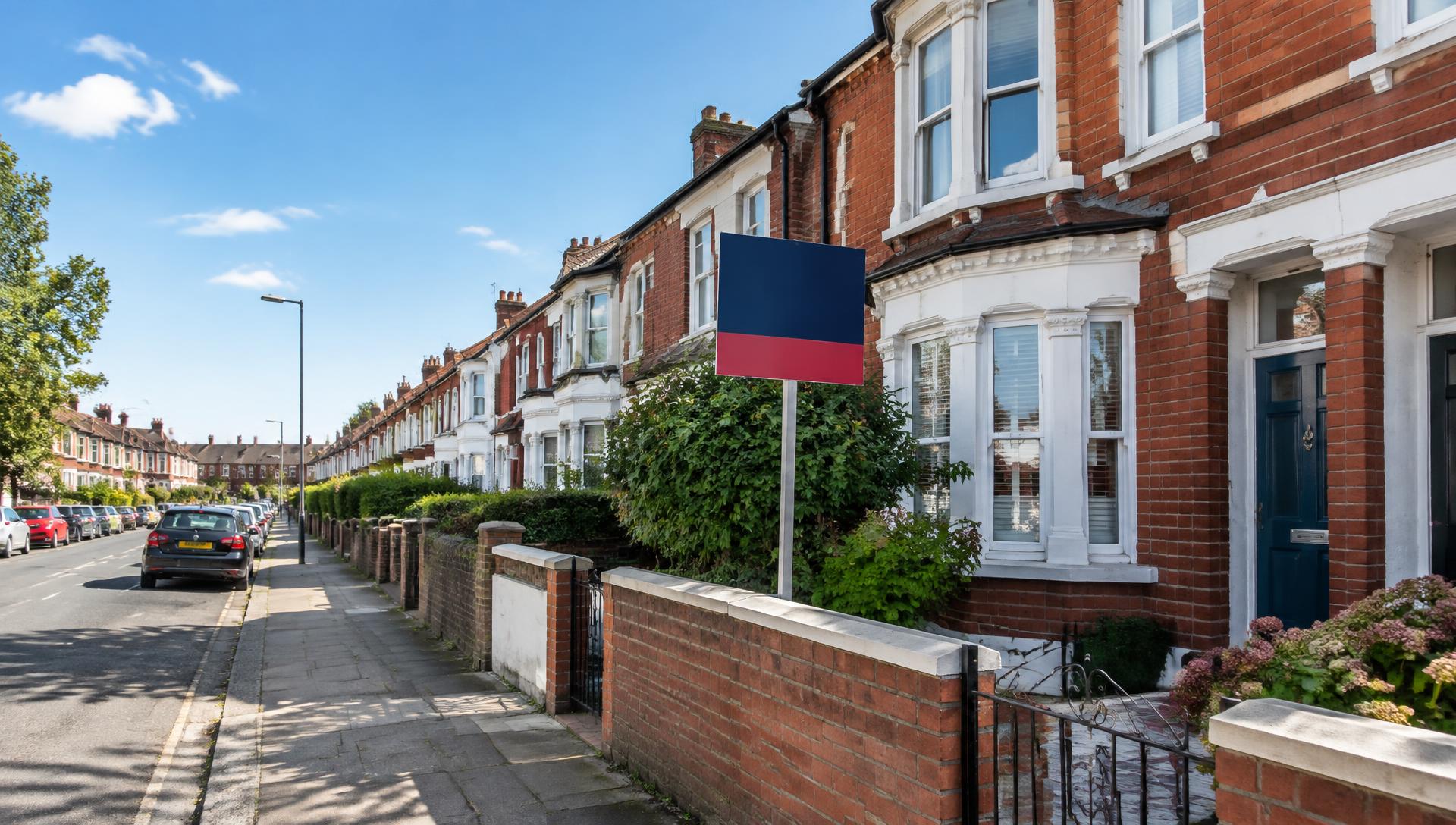
Prepare the exterior as carefully as the rooms inside, because buyers often form an initial view before inspecting the property. Clear entrances and paths, clean accessible windows, cut back overgrown planting and remove rubbish or unused items from gardens, drives and balconies.
- Check that gates, doors, fences and external lights work properly.
- Make the house number or name easy to see.
- Store bins, tools and loose equipment neatly.
- Deal with obvious minor defects, such as leaking gutters or broken paving, where the work is proportionate.
Keep any receipts, guarantees or certificates for external work. The aim is not to create an expensive makeover, but to ensure the property looks cared for and does not raise avoidable questions during an early viewing.