
What steps should I follow to ensure a smooth and quick sale of my property for cash?
For a smooth, quick cash property sale, gather the relevant property information, obtain and compare a written valuation, check the buyer’s credentials, appoint a conveyancer and agree the sale terms before signing. Keep documents complete and respond promptly to enquiries so legal checks, contract exchange and completion can proceed without avoidable delays.
A smooth and quick cash property sale depends on controlling the parts of the transaction that commonly create uncertainty: your priorities, the information available to the buyer, the condition and access arrangements for the property, and the terms of the agreement. In the UK, a cash purchase does not remove the need for identity checks, title verification, searches or a binding contract, so preparation should focus on making each stage clear before you commit.
1. Decide what you need from the sale
Before discussing offers, establish your preferred completion date, whether you need to remain in the property for a period after completion, and whether any belongings or occupants need to be dealt with. If the property is inherited, jointly owned, subject to divorce proceedings or connected with debt problems, identify everyone whose consent may be needed. Reaching agreement between the relevant people early can prevent a transaction being paused later.
Also consider whether certainty, price, flexibility or a particular completion date is most important to you. A cash offer should be assessed against the complete terms, not just the headline amount.
2. Be open about the property’s condition and circumstances
Tell the buyer about known defects, alterations, planning issues, boundary disputes, restrictive covenants, rights of way, tenants and outstanding works. Concealing a material issue can lead to renegotiation, delay or a dispute. Clear disclosure allows the buyer to make an informed decision and reduces the likelihood of unexpected questions later.
For an empty or difficult-to-access property, arrange a practical way for inspections and visits to take place. If the property is occupied, agree how access will work and give notice where required. This is particularly important for probate properties, tenanted homes and properties requiring repair.
3. Check the offer in full
Read the written offer and any accompanying conditions carefully. Confirm the proposed purchase price, deposit arrangements, completion date, treatment of fixtures and fittings, and whether the offer depends on a further inspection or another condition. Establish whether the buyer expects you to pay any costs or carry out specific work before completion.
Ask for any points that are unclear to be set out in writing. A clear record helps distinguish an agreed term from an informal conversation and gives your legal adviser an accurate basis for preparing the contract.
4. Keep the transaction organised
Use one central record for correspondence, requested information and agreed dates. Answer questions accurately and avoid giving different explanations to different people involved in the transaction. Tell the buyer promptly if your circumstances change, such as a new occupant moving in, a notice being received or a problem arising at the property.
Where several owners or representatives are involved, nominate a main contact. This reduces duplicated messages and makes it easier to confirm decisions. If the sale relates to an estate, check that the person handling the transaction has the necessary authority to act.
5. Understand the legal and financial consequences
Obtain independent legal advice if you are unsure about the contract, the ownership position, an early repayment charge, lease restrictions or the effect of the sale on an estate, benefits or insolvency arrangement. A cash buyer may not require mortgage finance, but you may still have an existing mortgage or secured loan that must be redeemed from the sale proceeds.
Ask for a clear statement of deductions before committing. This should identify agreed fees, repayment amounts and any other costs that may be taken from the proceeds. If the figures change, request an updated statement rather than relying on a verbal estimate.
6. Prepare for the final handover
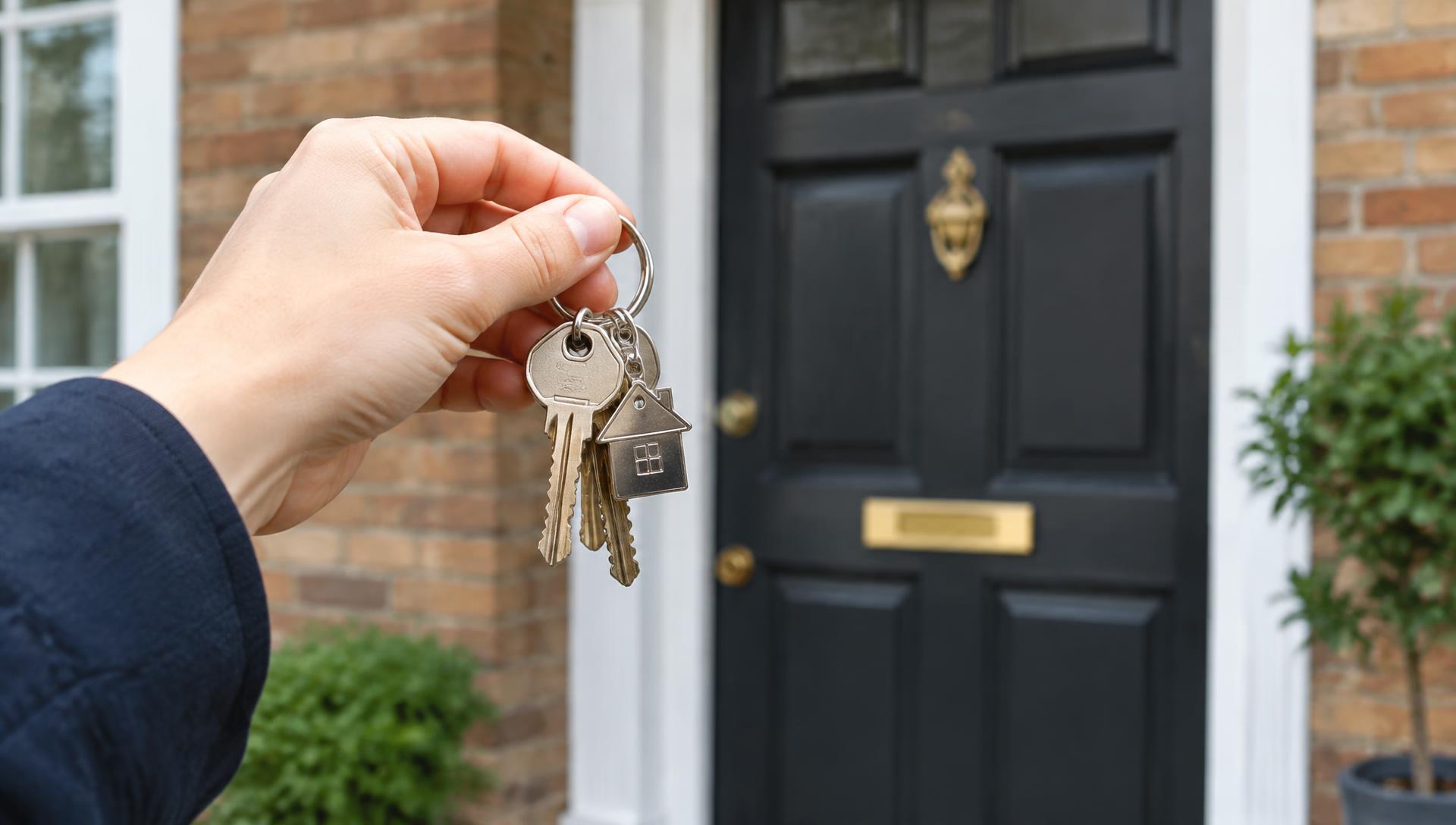
Agree what will remain at the property and what you will remove. Clear lofts, sheds and storage areas where possible, and deal with rubbish or personal items before the agreed handover date. Locate all keys, fobs, alarm details, meter information and relevant instructions so they can be passed over efficiently.
On moving out, leave the property in the condition required by the contract and record meter readings where appropriate. Keep copies of the signed paperwork and confirmation of completion. Do not treat the sale as complete until your legal representative confirms that completion has taken place and the funds have been received or released in accordance with the agreement.
These steps cannot eliminate every issue, but they make the transaction easier to assess, reduce avoidable uncertainty and help a cash sale progress on the terms you have actually agreed.

Confirm that the buyer can demonstrate access to the funds before treating the offer as ready to progress. Ask what evidence will be provided to your conveyancer, such as a current proof-of-funds document, and ensure the buyer’s details match the name or company named in the offer. Your conveyancer will also need to complete identity and anti-money-laundering checks before the transaction can proceed.
Ask your conveyancer to raise any concerns about the evidence or the proposed payment arrangements before you commit to moving costs or signing documents. This helps distinguish a genuine, financially prepared offer from an initial expression of interest and reduces the risk of delay caused by incomplete checks.
Discuss Your Quick Cash Property Sale
If you are considering a cash sale, contact buyhousesfast.co.uk to discuss your property and the circumstances affecting the transaction. Use the initial conversation to clarify the information required and whether the proposed route fits your priorities before making a decision.