
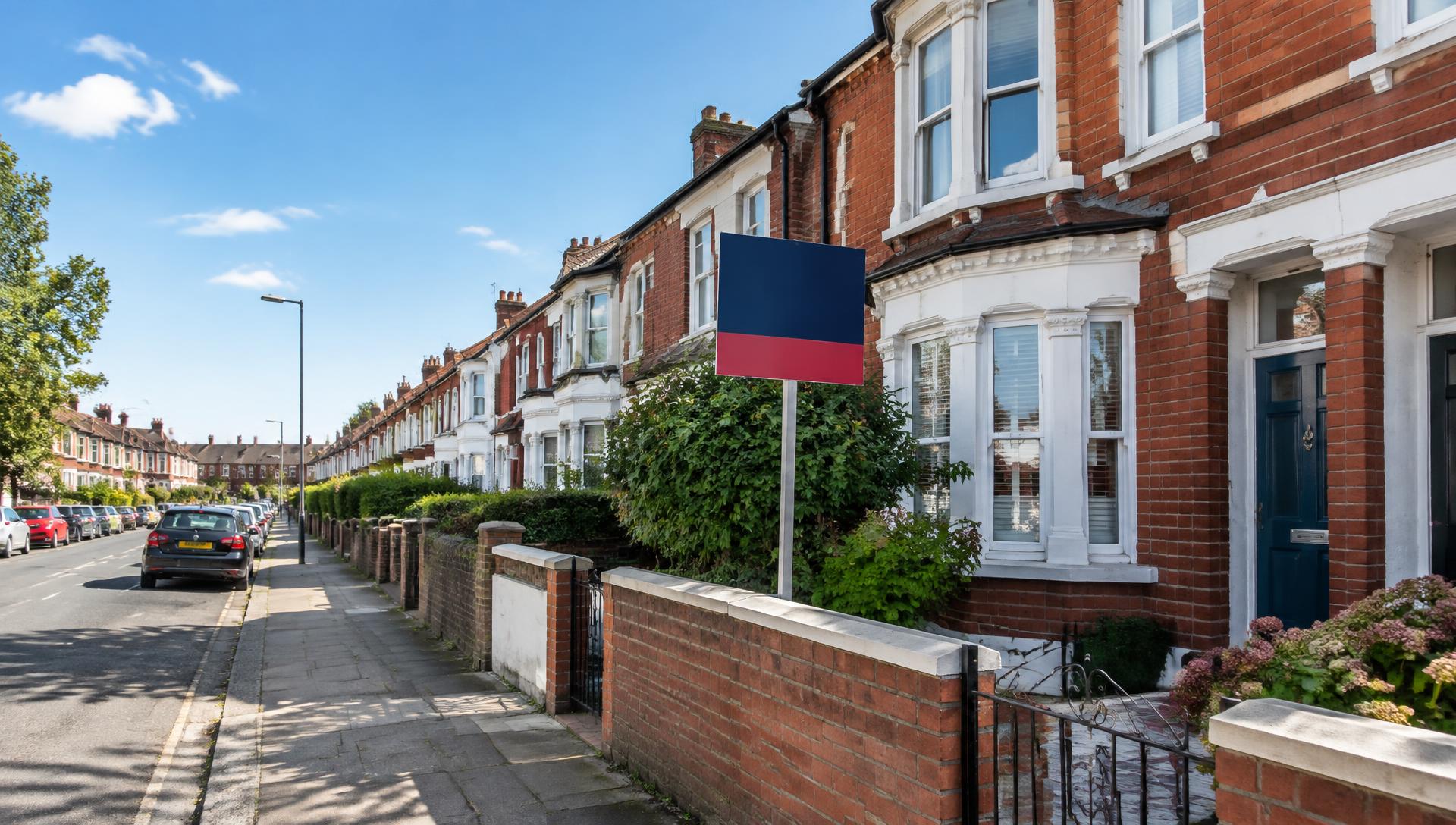
What steps should I take to prepare my property for a fast cash sale?
Prepare your property for a fast cash sale by gathering ownership and property documents, resolving known legal issues, providing accurate information about its condition and presenting the home in a clean, accessible state. Arrange an independent valuation and choose a reputable UK cash buyer so the offer and proposed completion process can be assessed clearly before you proceed.
Preparing a property for a fast cash sale means removing avoidable practical, financial and administrative obstacles before the transaction progresses. The most useful preparation is usually not major renovation; it is making sure the sale can proceed with clear instructions, agreed responsibilities, suitable access and no unresolved moving arrangements.
1. Confirm who has authority to sell
Make sure every person whose consent is required understands the proposed sale and is ready to provide instructions. This may include joint owners, a personal representative dealing with an estate, an attorney or a trustee. If several people are involved, agree who will communicate with the conveyancer and buyer so that conflicting instructions do not delay decisions.
Where an owner cannot sign personally, establish the correct signing arrangements at the outset. The conveyancer can explain whether additional evidence or formal authority is needed for the transaction.
2. Establish the financial position
Request an up-to-date balance for any mortgage or other charge secured against the property. Check whether an early repayment charge, arrears, legal fee or other deduction could affect the amount available after completion. A cash purchase removes the buyer’s mortgage approval process, but it does not automatically settle borrowing secured against the home.
Prepare a realistic estimate of the net proceeds by allowing for conveyancing charges, removal costs, storage, outstanding bills and any costs connected with ending an existing arrangement. If the property is affected by mortgage arrears or enforcement action, tell the conveyancer and buyer at an early stage so the required payment arrangements can be considered properly.
3. Decide what happens to people living at the property
Clarify whether the sale is intended to include vacant possession or whether an occupier will remain. This is particularly important where there are tenants, lodgers, relatives or former partners living at the property. Review any tenancy or occupancy arrangement and obtain appropriate advice before making promises about the handover date.
If vacant possession is required, plan where occupants will go and how their belongings will be removed. Do not assume that a buyer can take possession simply because an offer has been accepted; the agreed contract terms determine what must happen by completion.
4. Instruct the right conveyancer early
Choose a conveyancer who understands the proposed cash-sale process and provide clear instructions from the start. Ask what information they need, how documents will be signed, how identity checks will be completed and which decisions may require your approval.
Tell the conveyancer about unusual circumstances rather than waiting for them to discover them. Examples include absent owners, leasehold arrangements, alterations, boundary questions, restrictions, insolvency concerns or an estate administration. Early disclosure gives the conveyancer an opportunity to identify the correct procedure instead of raising issues late in the transaction.
5. Organise access and practical information
Prepare all available keys, fobs, alarm instructions, parking permits and access codes. Tell the relevant people how viewings, inspections or contractor visits can be arranged, particularly if the property is empty, tenanted or difficult to access.
Make a note of the locations of the electricity meter, gas meter, stopcock, boiler controls and consumer unit. Near completion, record meter readings and agree how keys will be transferred. Keep buildings insurance in place until completion has taken place and responsibility has formally passed under the contract.
6. Sort belongings without stripping the property
Decide in advance which furniture, appliances and fittings will remain. Items attached to the property should not be removed casually, as their removal can create disagreement about what was included in the sale. Record any agreed exclusions in writing.
Remove personal paperwork, valuables, medication and confidential information before access is given to other parties. Arrange disposal, storage or removal of unwanted belongings so that this does not become a last-minute condition of handover. If the property is unoccupied, secure it and make sure the buyer or conveyancer knows how to obtain access.
7. Keep a written record of the agreed transaction
Keep copies of the offer, proposed completion date, included items, agreed deductions and any conditions attached to the sale. Read correspondence carefully and ask for clarification where the wording is unclear. In particular, establish whether the stated price is subject to inspection, title checks, outstanding information or other changes.
Do not rely solely on verbal assurances about costs or completion arrangements. A written record helps distinguish between the headline offer and the amount you are likely to receive, and gives your conveyancer an accurate basis for reviewing the transaction.
8. Plan the handover
Work backwards from the intended completion date. Arrange removals, storage, utility changes, post redirection and accommodation where needed, while allowing for the possibility that the date may move until contracts have been exchanged. Keep essential documents and personal possessions with you rather than packing them into items being left at the property.
Before completion, check that agreed belongings have been removed or left as specified, the property is secure and any required access devices are available. After completion, retain evidence of final meter readings and update relevant organisations with the change of ownership.
A property is best prepared for a fast cash sale when the parties, finances, occupancy arrangements, conveyancing instructions and handover plan are settled before the buyer is ready to proceed. This reduces avoidable queries while preserving the opportunity to obtain professional advice on any issue that could affect the transaction.
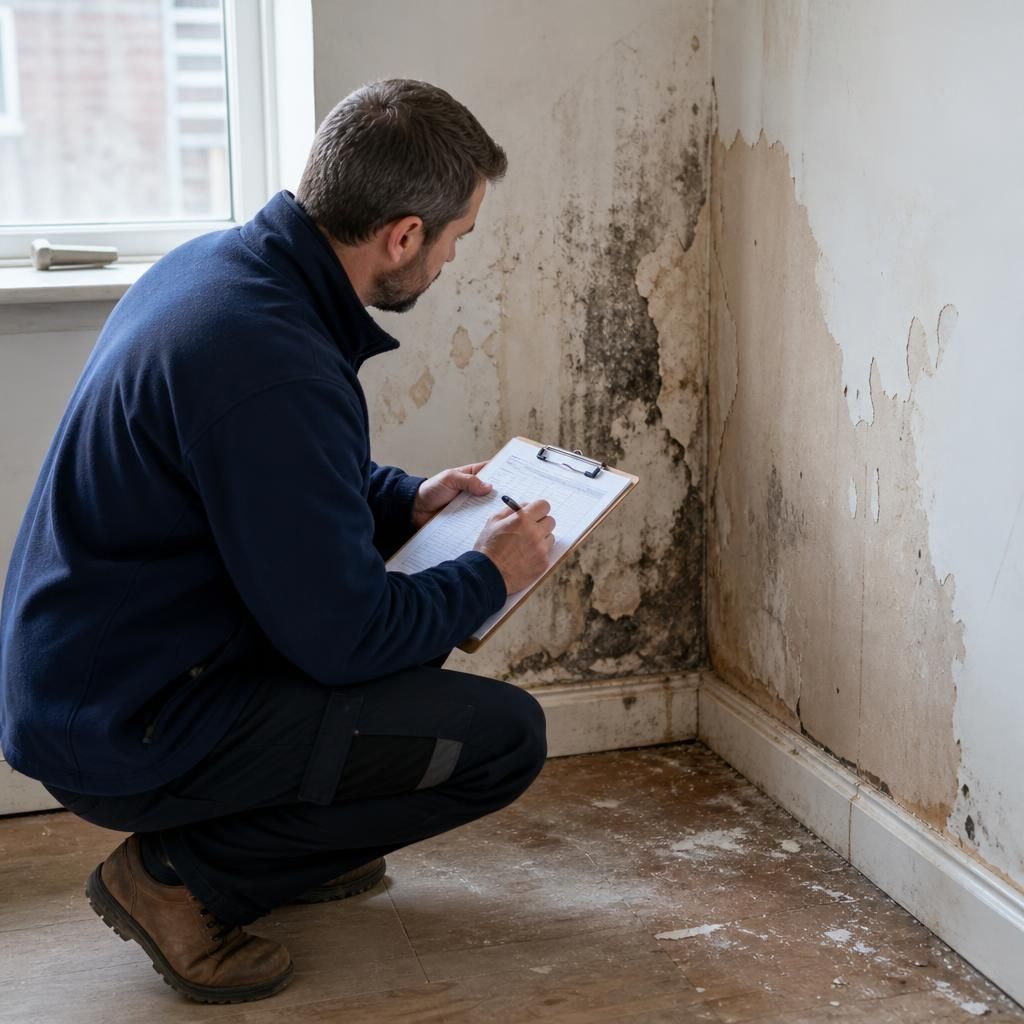
Preparing a property for a fast cash sale includes deciding which repairs are necessary before marketing and which are better disclosed rather than completed. A targeted condition review can help you avoid spending money on improvements that may not affect the buyer’s assessment.
Walk through the property and record significant defects such as damp, roof damage, structural movement, defective services or unsafe fittings. Obtain written estimates where a repair could materially affect the offer, and keep invoices, guarantees, planning consents and building regulations certificates for work already completed.
- Prioritise safety issues and defects that could prevent the property being occupied.
- Do not conceal damage or make informal repairs that may create further questions during inspection.
- Give the buyer a clear written summary of known issues and any supporting documents.
- Compare the likely cost and benefit before undertaking cosmetic improvements.
Accurate condition information allows the cash buyer and conveyancer to assess the property on the same basis, reducing the risk of new issues emerging after an offer has been made.
Start Preparing Your Property for a Fast Cash Sale
Once your property information is organised, share the details with Buy Houses Fast for an initial discussion about a potential cash sale. Ask for the proposed price, conditions and conveyancing arrangements in writing before deciding whether to proceed.