

What legal paperwork is necessary to finalise a fast house sale?
To finalise a fast house sale, you will usually need identification, proof of ownership, title information, property information and fixtures-and-fittings forms, an Energy Performance Certificate where required, and the sale contract prepared by your conveyancer or solicitor. If the property has a mortgage, leasehold terms, probate requirements or other legal issues, additional documents may be needed to satisfy the lender, freeholder or court before completion.
Finalising a fast house sale requires more than agreeing a price. Your conveyancer must verify your authority to sell, confirm the buyer can obtain good title, resolve outstanding enquiries and prepare the documents that legally transfer the property and account for the sale proceeds. The exact requirements depend on the property, its ownership structure and whether the transaction is in England and Wales or Scotland.
Seller’s replies to enquiries
The buyer’s conveyancer will raise questions about matters that could affect the property’s use, value or ownership. You may need to provide accurate information about:
- building work, extensions or alterations and any related planning or building control approvals;
- shared access, rights of way, parking arrangements, boundaries and disputes;
- insurance claims, neighbour disagreements, flooding or other known defects;
- notices affecting the property, proposed development nearby or planning enforcement;
- guarantees, certificates, warranties and service records for relevant work or installations; and
- tenancies, occupiers or arrangements that give another person rights over the property.
Incomplete or inconsistent answers can lead to further enquiries. If you do not know the answer, tell your conveyancer rather than guessing; they can explain what evidence may be acceptable.
Contract and transfer documents
The sale contract records the agreed price, the legal parties, the title being transferred, the proposed completion arrangements and any special conditions. Your conveyancer will check it before sending it to the buyer’s legal representative. Do not sign special conditions without understanding their effect, particularly provisions concerning fixtures, vacant possession, access, repairs or responsibility for outstanding costs.
Once both parties have signed and contracts are exchanged in England and Wales, the agreement normally becomes legally binding. A transfer deed is then used to pass ownership on completion. For an individually owned registered property, this is commonly a TR1, although the appropriate form can differ. The signed transfer must be properly witnessed, and the witness should be independent and physically present when the signature is made.
Scottish transactions use a different conveyancing structure. The transfer is generally completed through a disposition, supported by the relevant title documentation and the solicitors’ exchange of formal missives. A Scottish conveyancer should confirm which papers apply to the property.
Financial completion documents
Your conveyancer will prepare a completion statement showing the money due from the buyer and the deductions to be made from the sale proceeds. It may include the amount required to clear secured borrowing, conveyancing charges, estate-related costs, service-charge or rent apportionments and other agreed adjustments. Check the statement carefully and report any error before completion.
Give your conveyancer verified bank details through a secure procedure. Property transactions are targeted by payment fraud, so do not rely solely on amended bank information sent by email. If account details change, confirm them using a trusted contact method already held for the firm.
Extra authority documents
Where the registered owner cannot sign personally, the conveyancer must establish who has legal authority to act. This may involve a registered lasting power of attorney, a court appointment, trust documentation, company resolutions or evidence of authority from personal representatives. The document must permit the proposed transaction and may need to be registered or independently verified before it can be used.
For an estate, the personal representative may need to provide the grant of probate or letters of administration, together with evidence linking the deceased owner to the property. The conveyancer will advise whether the property can be transferred directly to the buyer or whether an intermediate registration step is required.
Leasehold and managed-property paperwork
A leasehold sale often involves information held by the landlord, freeholder or managing agent. The buyer’s solicitor may require details of service charges, insurance, planned major works, compliance matters, notices and transfer procedures. There may also be a requirement to notify the landlord after completion, obtain consent to the transfer or deal with a share in a management company.
These requirements are governed by the lease and the management arrangements, so the relevant clauses should be checked early. Charges and certificates should not be assumed to be unnecessary merely because the buyer is paying cash.
Final checks before completion
- Confirm that every person who must sign has signed in the correct place and format.
- Resolve outstanding legal enquiries or provide a clear written response to each one.
- Agree what is included in the sale and remove anything excluded under the contract.
- Give vacant possession if the contract requires the property to be empty, unless a tenancy or other arrangement has been expressly agreed.
- Provide keys and access devices in accordance with the agreed completion arrangements.
- Tell the conveyancer about any change affecting the property or your ability to complete before contracts are exchanged.
A cash buyer may avoid lender-related conditions on the buyer’s side, but the seller still needs a legally transferable title and complete, consistent information. Providing documents promptly, keeping signed papers secure and directing legal questions to your conveyancer helps prevent avoidable requests for clarification without weakening the checks needed for a valid completion.
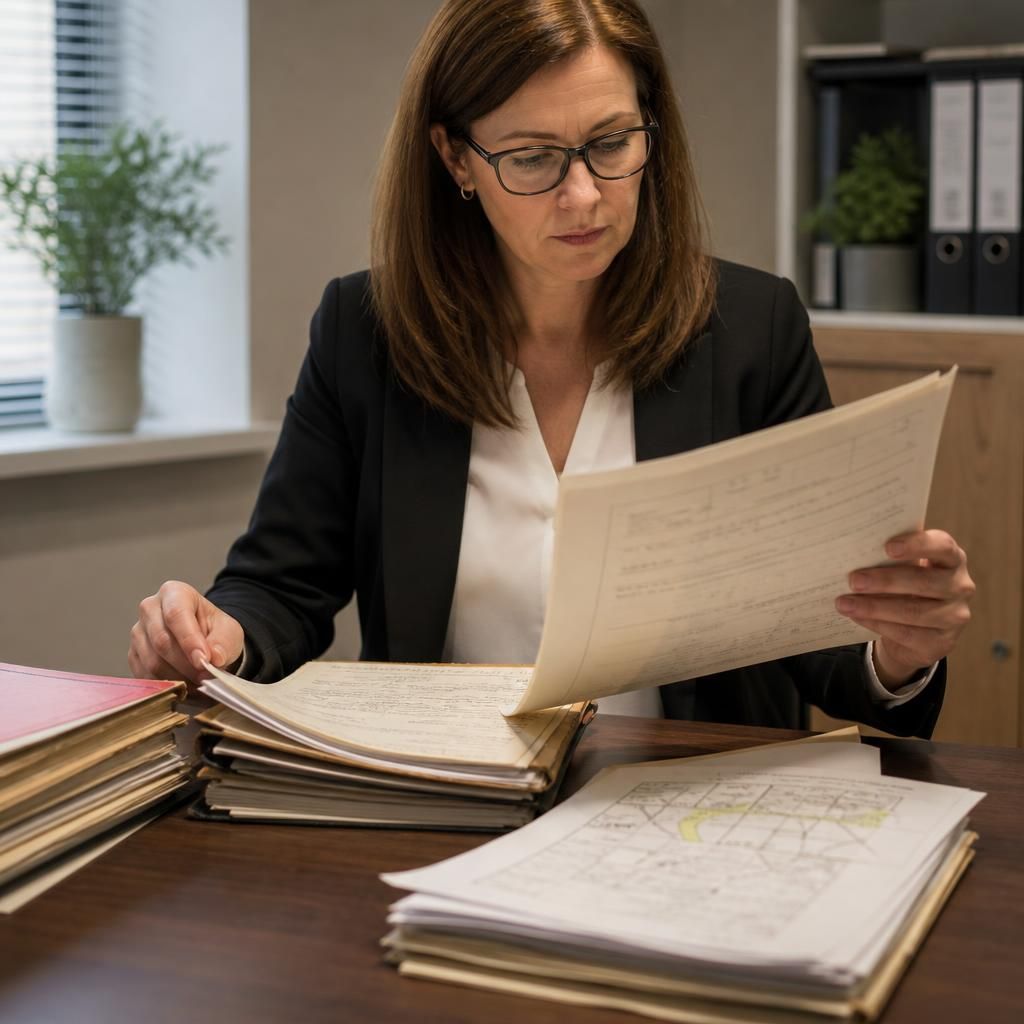
If the property is unregistered, your conveyancer may need to review the original title deeds and other documents proving an uninterrupted chain of ownership. These papers can include conveyances, mortgages, plans and evidence of rights affecting the land. The buyer’s solicitor may also require a first-registration application or additional protection where an original deed is missing.
Tell your conveyancer at the outset if you cannot locate the deeds, if the property was inherited without updated registration, or if the boundaries differ from older plans. Identifying a title-document problem early gives the legal representatives time to establish what evidence or corrective paperwork is required before completion.