

What steps should I take to prepare my house for a quick sale?
Prepare your house for a quick sale by clearing clutter, completing essential repairs, presenting each room cleanly and gathering the documents a buyer or solicitor will need. Deal with known issues early and provide accurate information about the property to reduce avoidable questions and delays.
Preparing a house for a quick sale means removing practical, legal and administrative obstacles before a buyer makes an offer. The most effective preparation is not cosmetic alone: it involves setting a realistic price, confirming who can sell the property, checking information that may affect its value and making it straightforward for the buyer and conveyancer to progress the transaction.
- Choose the most suitable selling route. Consider whether the property is best suited to an open-market listing, an auction or a direct cash sale. A cash buyer may be more willing to assess a property with an unusual layout, tenancy issue, probate background or condition concern, but you should still understand the proposed process, the basis of the offer and any conditions attached before proceeding.
- Set a realistic asking figure or expected sale price. An inflated price can lead to extended negotiations and repeated changes, while an unnecessarily low figure may not reflect the property’s position. Compare recent local sales of genuinely similar properties, taking account of tenure, size, condition, location and any restrictions. If a buyer has arranged a valuation, ask what information has been used and whether the figure assumes vacant possession.
- Confirm ownership and authority to sell. Check the legal title and establish whether the registered owners are still correct. If an owner has died, the personal representative may need authority under the grant of probate or letters of administration. If the property is jointly owned, all necessary parties must be able to approve the sale. Where a power of attorney, trust or divorce order is involved, raise it with the conveyancer at the outset rather than waiting for a buyer’s solicitor to identify it.
- Check the property’s tenure and restrictions. Freehold, leasehold and shared-ownership properties can involve different information requirements. For a leasehold home, identify the remaining lease term, service-charge position, ground-rent arrangements, planned major works and any restrictions on assignment or subletting. If the property is subject to a management company, obtain the relevant contact details and clarify whether additional information or consent will be required.
- Review alterations and permissions. Make a list of extensions, conversions, structural changes and significant installations carried out during your ownership. Check whether planning permission, building-regulations approval, completion certificates, guarantees or warranties exist. This includes loft conversions, removed walls, changed windows, garage conversions and certain replacement heating or electrical installations. If paperwork is missing, tell the conveyancer early so the available options can be considered before it becomes a transaction issue.
- Resolve occupancy and possession questions. Decide whether the buyer will receive vacant possession or whether anyone will remain in the property. Tenants, lodgers, relatives with an informal right to occupy and business users can all affect the sale. Review any tenancy agreement, notice requirements and deposit arrangements, and do not assume that a tenant can simply be asked to leave because a sale is agreed. The intended possession position should be stated accurately from the beginning.
- Make access easy to organise. Agree in advance how the buyer, valuer, surveyor and conveyancer can access the property. Identify keys, alarms, parking arrangements, communal entrances, meters and any areas that require permission to enter. If the property is empty, arrange regular checks and ensure that essential services remain available for inspections where appropriate. Clear communication about access prevents avoidable rearrangements.
- Separate included and excluded items. Decide which fixtures, fittings and movable items are part of the sale. Built-in appliances, light fittings, curtains, sheds, satellite equipment and garden items can create disagreement if expectations differ. Prepare a clear list for the conveyancer and remove or replace nothing that has been represented as included without notifying the buyer. This is particularly important where a property is being sold with contents or partly furnished.
- Identify financial matters that need confirming. Request an up-to-date redemption statement for any mortgage or secured borrowing and check whether early-repayment charges or other conditions apply. If there are restrictions, charging orders, arrears or other interests recorded against the title, disclose them to the conveyancer. A cash purchase does not remove the need to deal with existing charges before ownership can transfer.
- Use a conveyancer experienced in the intended transaction. Tell the conveyancer that the sale is intended to proceed on a short timetable and provide information in a consistent form. Answer enquiries precisely, avoid guessing and explain any uncertainty rather than overlooking it. If a buyer’s solicitor asks for clarification, a prompt and complete response is generally more useful than sending partial information that leads to further questions.
- Keep the property and transaction details consistent. The address, room descriptions, boundaries, parking arrangements, tenure, alterations and occupancy position should match across discussions, forms and marketing information. Do not describe a room as a bedroom, for example, if its use or approval is uncertain. Accuracy helps the buyer assess the property properly and reduces the risk of renegotiation after an inspection.
- Plan the practical move before agreeing a completion date. Arrange storage, removal of personal belongings and redirection of post according to the expected timetable. Know which items must remain until completion and how keys will be handed over. If the sale relates to probate, divorce, arrears or another time-sensitive circumstance, explain any fixed dates to the conveyancer and buyer, but avoid agreeing to a completion date before the legal position and onward arrangements are understood.
When preparing to sell to a cash buyer, the strongest approach is to present the property honestly, disclose complications early and make decisions about price, possession and included items before negotiations begin. A buyer can then assess the house on known facts rather than discovering important issues late in the process. Buyhousesfast.co.uk can be considered as one route for homeowners seeking a direct cash sale, but sellers should review the offer, contractual terms and independent legal advice before committing.
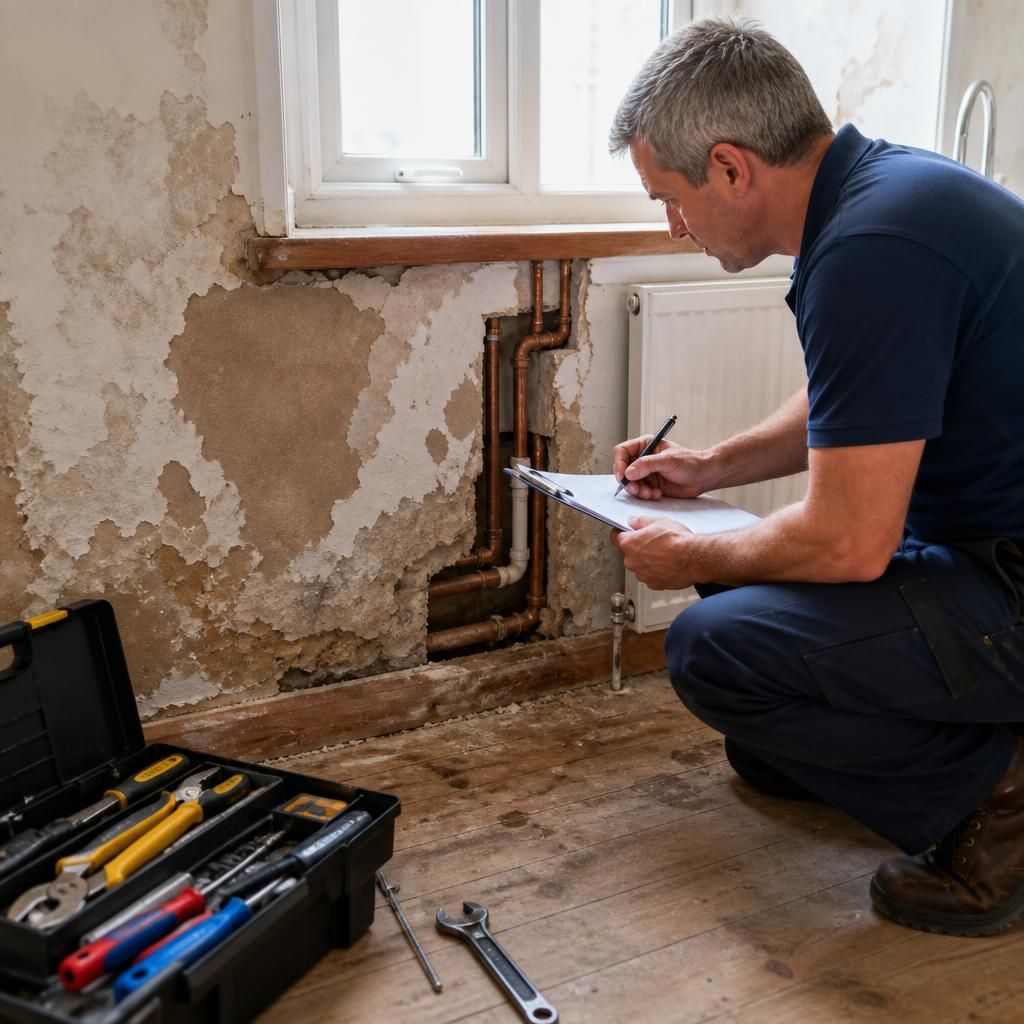
Prioritise repairs that affect safety, usability or a buyer’s assessment of the property rather than spending heavily on cosmetic improvements. Address active leaks, damp, broken windows, unsafe wiring, defective heating and damaged flooring first, then consider minor presentation work only if it can be completed without delaying the sale.
Before authorising work, compare the likely benefit with the cost and disruption. Keep invoices, guarantees and completion records for any repairs carried out, and tell the buyer about known defects rather than covering them temporarily. A straightforward explanation of the property’s condition is generally more useful than improvements that make the house look better but do not resolve an underlying issue.