

What types of properties are eligible for a quick sale?
Houses, flats and many other residential properties in the UK may be eligible for a quick sale, including homes with legal or physical complications. Suitability depends on the property and the circumstances of the sale, so each case requires an individual assessment.
Eligibility for a quick sale is usually determined by the property’s legal status, condition, ownership arrangements and the seller’s circumstances. A property does not necessarily need to be in good decorative condition or ready for the open market, but the buyer must be able to establish a clear route to completion and confirm that the proposed transaction is legally possible.
Property types commonly considered include:
- Detached, semi-detached and terraced houses, whether vacant, owner-occupied or subject to an existing tenancy.
- Flats and maisonettes, including leasehold properties, provided the lease, service-charge position and any landlord or managing-agent requirements can be reviewed.
- Bungalows and other residential dwellings, including properties that need updating, refurbishment or substantial repairs.
- Inherited and probate properties, where the personal representatives or beneficiaries have authority to sell and the required estate documentation is available.
- Unoccupied homes, including properties that have been empty for an extended period or require clearance before sale.
- Tenanted properties, subject to the tenancy terms, the occupants’ rights and the legal requirements applying to the proposed sale.
Condition is not, by itself, a reason to exclude a home. A quick-sale assessment may take account of structural movement, damp, subsidence, fire or flood damage, Japanese knotweed, a damaged roof, outdated services, poor presentation or significant renovation work. The property may still be considered where the cost and practical implications of those issues can be properly understood. Relevant information should be disclosed at the outset, as defects discovered later can affect valuation, due diligence and the transaction timetable.
Properties with legal or title complications can also be eligible, although these generally require closer investigation. Examples include missing documents, boundary disagreements, restrictive covenants, rights of way, absent owners, unregistered land, unresolved planning matters and building work without clear supporting approvals. A quick sale is not a way to bypass conveyancing: the title still needs to be investigated and any material issue dealt with or accepted on an informed basis.
Financial circumstances may also be relevant. Homes affected by mortgage arrears, a possession claim, a threatened repossession or other secured lending can be considered where the sale proceeds are sufficient to address the outstanding liabilities and the lender’s requirements are understood. If the likely sale value does not cover all secured debts, the seller should obtain specialist legal or financial advice before agreeing to proceed, because lender consent or an arrangement for any shortfall may be necessary.
Ownership structure is another important eligibility factor. Every registered owner normally needs to be identified and involved, and additional consent may be required where the property is jointly owned, held by a company, affected by a trust, or being sold following divorce or separation. In probate cases, the person signing the contract must have the appropriate authority. A sale cannot safely proceed on the assumption that one family member can sell on behalf of everyone else.
Before accepting a property, the assessment will generally need information such as:
- the property address and basic description;
- the seller’s ownership and identity details;
- whether the property is freehold or leasehold;
- any mortgage, charge, restriction or other liability secured against it;
- occupancy and tenancy information;
- known structural, environmental or maintenance problems;
- planning permissions, building-regulation records and guarantees where relevant; and
- the circumstances creating the need for a sale.
Gathering documents early can identify obstacles before legal work progresses. Typical paperwork may include proof of identity, title information, property forms, tenancy agreements, lease details, probate documents, grant-of-representation evidence and correspondence from lenders or solicitors. The exact requirements depend on the property and the reason for selling.
Some properties require more specialist review than others. Mixed-use buildings, homes with extensive land, unusual construction, incomplete conversions, properties with serious planning breaches and houses with unresolved ownership disputes may not fit a standard transaction. They should be described accurately rather than presented as ordinary residential sales. The assessment can then establish whether the property is suitable, what further evidence is needed and whether a conventional sale route would be more appropriate.
Eligibility is therefore not based solely on appearance, marketability or whether the property would attract an estate-agent listing. It depends on whether the home, its title and the seller’s authority can be verified sufficiently for a legally compliant purchase. Independent conveyancing advice remains important, particularly where there are arrears, probate, relationship breakdown, occupiers, disputed ownership or significant defects.
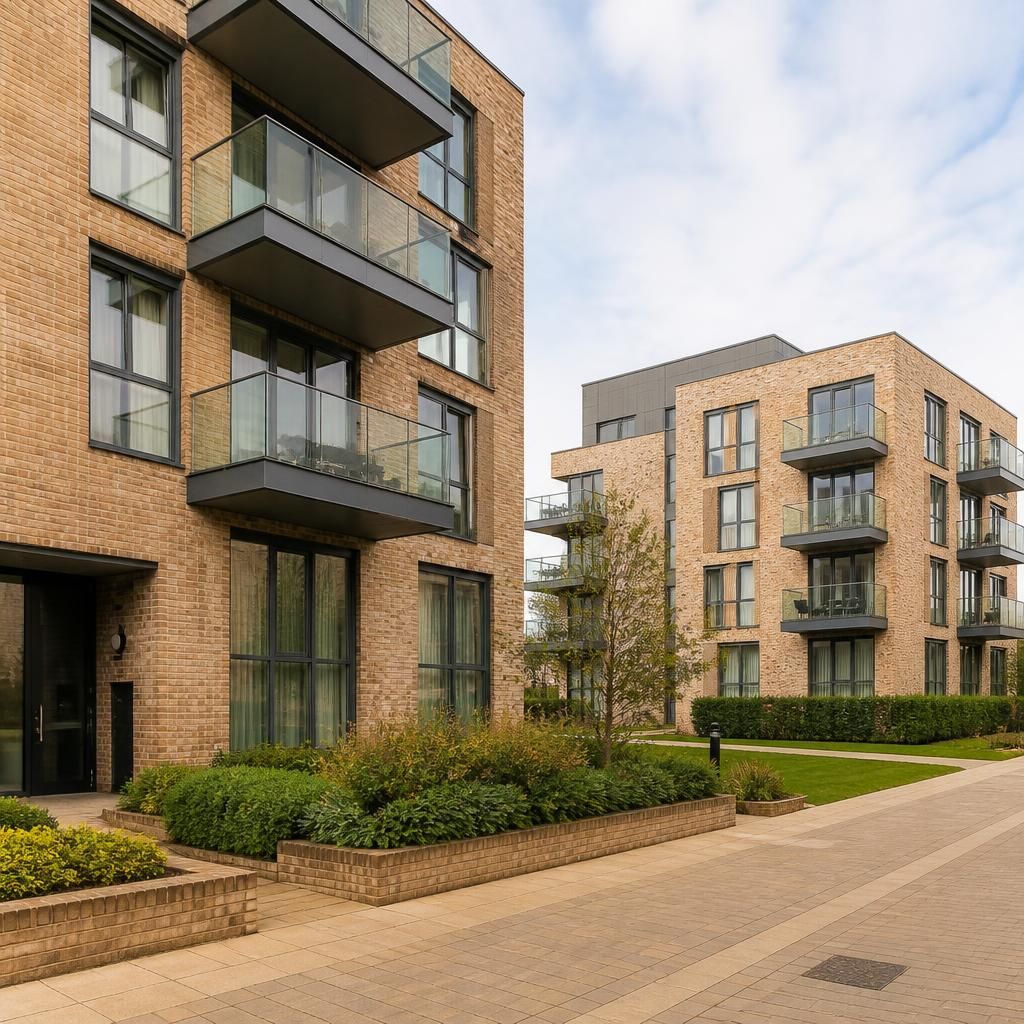
Leasehold flats and maisonettes can be eligible for a quick sale, but the lease can affect how straightforward the transaction is. The remaining lease term, ground rent provisions, service-charge account and any restrictions on transfer may need to be checked before the sale can progress.
The managing agent or freeholder may also require notices, certificates, consent or payment of administration charges. Obtaining the lease and recent management information early can reveal requirements that might otherwise delay completion and helps establish whether the property is suitable for the proposed sale.
Ask Whether Your Property Qualifies for a Quick Sale
To establish whether your property is suitable for a quick sale, provide its basic details and explain any relevant legal, ownership or condition issues. You can then consider the assessment alongside independent conveyancing advice before deciding how to proceed.