

What types of properties are eligible for sale to cash buyers?
Cash buyers may purchase many residential property types across the UK, including houses, flats, leasehold homes, probate properties and homes requiring substantial repairs. Eligibility depends on the property’s legal title, condition, occupancy and any issues affecting its value or resale.
Cash buyers generally assess a residential property according to whether its ownership can be transferred legally and whether the buyer can take on its condition, occupancy arrangements and resale risks. A property does not necessarily need to be mortgageable, vacant or in standard condition to be considered, but unusual features usually require additional checks before an offer can be confirmed.
Properties that may fall within a cash buyer’s criteria include:
- Vacant properties: Empty homes can be considered where the owner has already moved, where a property has been unoccupied for an extended period, or where it has been left following an inheritance. The condition of utilities, security and insurance may need particular attention.
- Tenant-occupied properties: A buyer may consider a property with tenants in place, including where the owner wants to sell an investment without waiting for a tenancy to end. The tenancy agreement, rent record, deposit arrangements and any required notice would normally be reviewed.
- Properties with non-standard construction: Homes built using unconventional materials or methods can be difficult to finance through a mortgage. A cash purchase may still be possible, subject to an assessment of the structure, repair requirements and likely resale market.
- Properties with structural or environmental concerns: Subsidence, movement, damp, fire damage, flooding, asbestos or suspected contamination may not automatically prevent a sale. However, the nature of the defect and the estimated cost of managing it can materially affect eligibility and value.
- Homes with planning or building-control issues: Extensions, loft conversions, alterations or changes of use without clear approvals may be considered, but the buyer will usually need to establish what work was carried out and whether retrospective consent, indemnity cover or another solution is appropriate.
- Listed or protected buildings: A listed building or a property in a conservation area can be eligible, although restrictions on alterations and repair obligations may affect the assessment. Relevant consents and documentation are important.
- Properties with complex ownership: A sale may be possible where there are several registered owners, an absent owner, an attorney acting on someone’s behalf or an estate that has not yet been fully administered. Every person with authority to sell must be identified and able to provide the required consent.
- Homes affected by financial pressure: Owners dealing with mortgage arrears, secured lending, charging orders or a threatened repossession may still be able to sell. The legal and financial position must be reviewed so that outstanding sums and any restrictions on the title can be dealt with correctly.
- Properties with title or boundary complications: Missing deeds, uncertain boundaries, restrictive covenants, rights of way and discrepancies between the register and the physical property can all require investigation. A defect does not always make a property ineligible, but it can delay conveyancing or limit the available terms.
- Part-ownership and unusual residential interests: Shared ownership, a freehold subject to a lease, a share in a building or a property with an unusual lease structure may be considered only after the seller’s legal interest and any consent requirements are confirmed.
Some properties are less likely to qualify where the seller cannot prove ownership, the necessary parties cannot agree to the sale, the property is subject to unresolved litigation, or legal restrictions prevent a transfer. A buyer may also decline where the expected cost of repair, clearance or compliance makes the property commercially unsuitable. This is different from simply disliking the property’s appearance or preferring homes in good decorative condition.
Eligibility is therefore separate from valuation. Two properties of the same general type may receive different decisions because of their title, tenancy, construction, location within a protected area or estimated remedial work. A cash buyer will commonly request the title information, property details, planning documents, tenancy paperwork where relevant, and information about mortgages or other charges. Accurate disclosure is important: concealing defects or legal issues can lead to a revised offer or prevent completion after legal checks.
For a reliable assessment, describe the property’s current condition and occupancy accurately, identify every owner, and disclose known disputes, notices, finance, restrictions and alterations at the outset. The final decision normally depends on whether the legal title can be transferred and whether the buyer is prepared to accept the specific risks attached to that property.
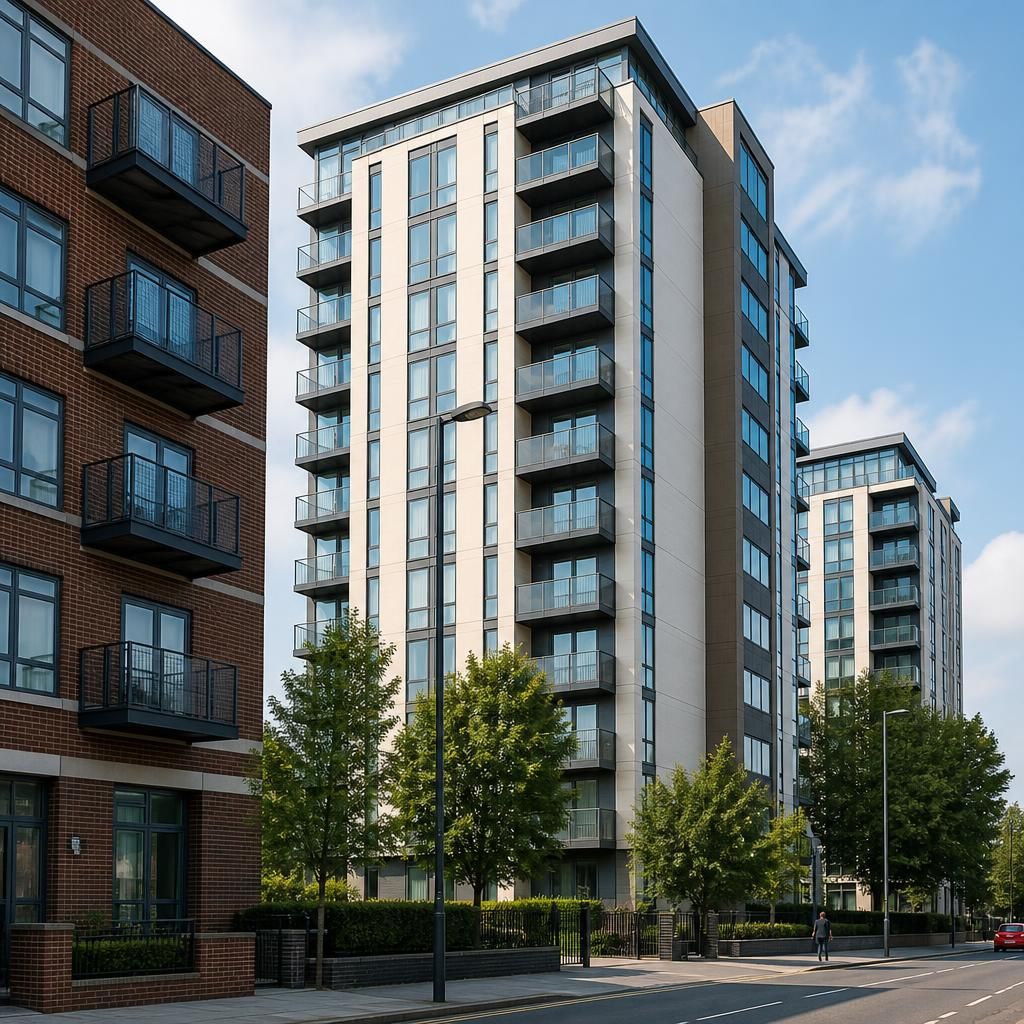
Flats in larger or high-rise buildings may be eligible for sale to a cash buyer, even where the block has additional management or maintenance considerations. The assessment will usually look beyond the individual flat to the building’s lease, service-charge position, planned major works and any relevant fire-safety or building-management information.
Provide details of the managing agent, service charges, ground rent, insurance arrangements and any notices concerning repairs or remediation. Clear information helps establish the costs and obligations attached to the flat, which can affect both eligibility and the terms of an offer.