

What factors should I consider when setting a price for my property in a cash sale?
When setting a price for a cash sale, assess your property’s location, size, condition, legal status and recent comparable sales, then account for the speed and certainty offered by the transaction. An independent valuation or advice from a property professional can help you judge whether the proposed price reflects the market while allowing for any repairs, complications or selling costs.
A suitable cash-sale price is the amount that reflects the property’s likely market value, the buyer’s costs and the terms attached to the proposed transaction. It should be based on evidence rather than a buyer’s initial figure, while recognising that a cash sale may trade some potential open-market price for greater certainty and a simpler process.
Start with a realistic valuation rather than an asking price. Asking prices show what sellers hope to achieve, not necessarily what comparable properties have actually sold for. Check completed sales where possible and consider how recently each transaction took place. A valuation becomes less reliable when it relies only on current listings, because those properties may be overpriced, subject to reductions or still unsold.
Separate gross price from net proceeds. The most useful figure is not always the highest offer. Calculate what you would retain after any estate-agent commission, solicitor’s fees, mortgage or secured-loan redemption costs, early repayment charges, necessary clearance, storage, repairs and other transaction expenses. A lower cash offer with fewer deductions may produce a similar net result to a higher offer carrying substantial selling costs. Ask each buyer to confirm which costs they will cover and which remain your responsibility.
Consider why the buyer is discounting the offer. A cash purchaser may factor in refurbishment, resale risk, finance costs avoided by buying with cash, professional fees and the time required to complete the transaction. Those deductions should be understandable and proportionate. Request an itemised explanation of any reduction from an independently supported valuation, rather than accepting a broad reference to market conditions.
Put urgency into context. If you need certainty or have a fixed deadline, the value of a firm transaction may be more relevant than an uncertain higher price achieved through conventional marketing. However, urgency should not automatically mean accepting the first proposal. Obtain more than one indication where practical, compare the conditions attached to each one and decide what minimum net amount would meet your needs.
Check the terms behind the headline figure. A price is only meaningful when you understand whether it is subject to a survey, legal checks, vacant possession, a mortgage being redeemed or further negotiation. A conditional offer can ultimately produce a different result from a straightforward written offer. Check whether the buyer has requested an exclusivity period, a deferred completion, a deposit, or any allowance for works. Record the agreed price and conditions in writing before relying on it.
Assess the buyer’s ability to complete. Ask for appropriate evidence that the purchaser has the funds available and establish whether the offer depends on another property being sold or on mortgage approval. A cash-funded transaction may still fail if the buyer’s funds are not verified or if the offer is subject to extensive renegotiation. Certainty of funding is therefore part of the value of an offer, not an administrative detail.
Allow for the valuation date. Property markets change, and a valuation prepared several months earlier may not reflect current evidence. If the transaction is expected to take time, consider whether the price is fixed or can be reviewed. This is particularly important where the property has changed since the valuation or where comparable sales indicate a materially different market level.
Use independent advice for an important decision. An independent chartered surveyor or suitably qualified property professional can provide a reasoned opinion and identify matters that affect value. A solicitor can clarify financial deductions, ownership obligations and the effect of the proposed contract. These advisers do not replace your own comparison of offers, but they can help distinguish a genuine valuation from a persuasive sales estimate.
Before agreeing a price, prepare a short comparison showing the supported value, the proposed cash price, expected deductions, conditions, funding evidence and likely net proceeds. Treat a significant unexplained gap as a reason to ask questions or obtain another opinion. The strongest basis for a cash-sale price is a documented valuation combined with a clear understanding of what you will receive and what obligations remain after completion.
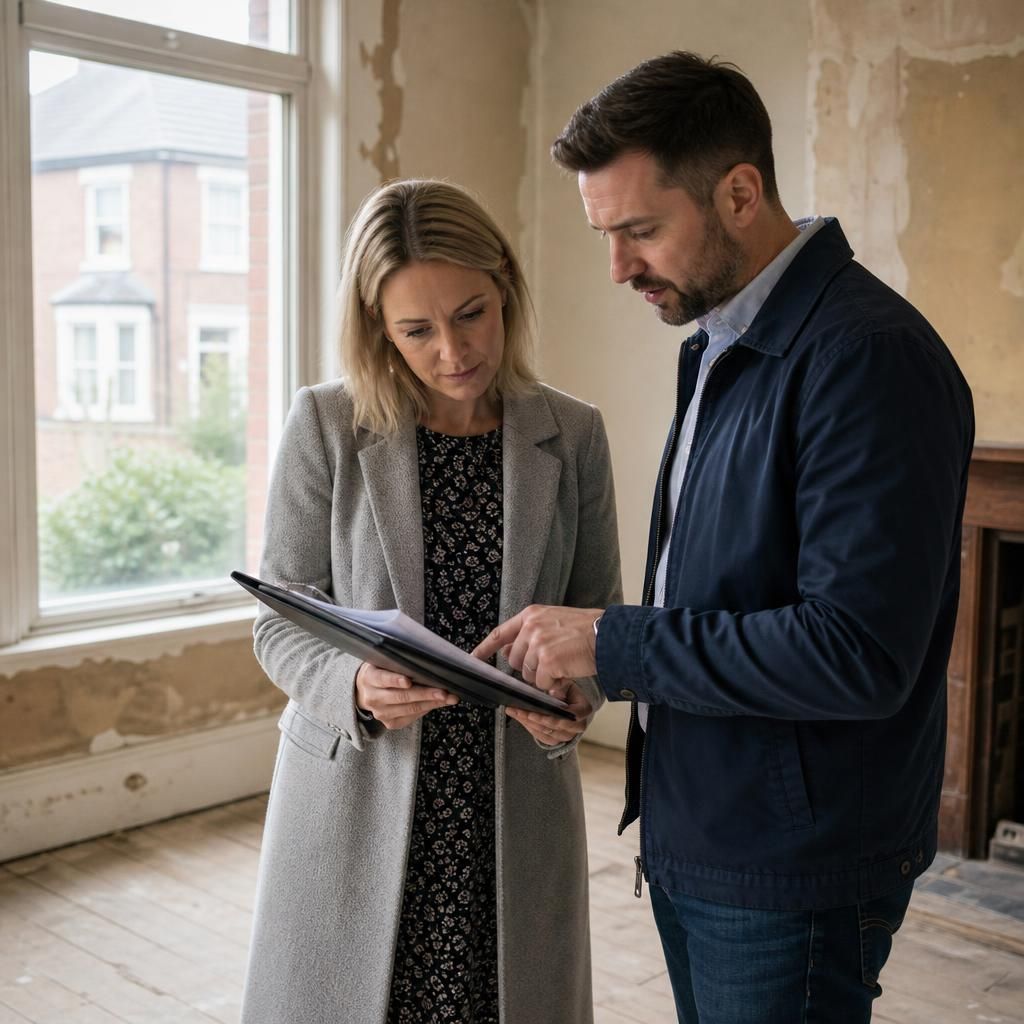
Comparable properties are useful only when they are genuinely like-for-like. When reviewing sold-price evidence, compare tenure, floor area, bedroom count, layout, parking, outdoor space and the presence of extensions or development potential. A recently modernised freehold house may not provide a reliable benchmark for a leasehold property requiring substantial work, even if both are in the same area.
Give particular attention to features that can materially alter buyer demand, such as a short lease, restrictive covenants, unusual construction, limited access or planning limitations. These details may narrow the pool of suitable purchasers and should be reflected in the price assessment. Keep a written record of the comparisons and the reasons for any adjustment, so you can explain how the proposed cash-sale figure was reached rather than relying on a general estimate.
Discuss Your Property’s Cash Sale Price
Once you have reviewed the valuation evidence and likely deductions, discuss your property details and pricing expectations with Buy Houses Fast to assess whether a cash sale is suitable. Keep any proposed price and conditions in writing before making a decision.