

What factors could affect the valuation of my property in a quick house sale?
A quick house sale valuation may be affected by your property’s location, size, condition, layout, comparable local sales, market demand and any legal or structural complications. The need for a faster, cash-based transaction can also influence the offer, as the buyer assesses likely resale value, required work and associated costs.
A quick house sale valuation is an estimate of what a cash buyer may reasonably offer after considering the property’s saleability, ownership position, required checks and likely transaction costs. It is not necessarily the same as an estate agent’s suggested asking price, because a cash offer is usually based on the buyer’s assessment of risk, resale prospects and the amount of capital tied up in the purchase.
Tenure and ownership details can have a substantial effect on the figure. A freehold property is generally more straightforward to assess than a leasehold property with a short unexpired term, high service charges, major planned works or restrictive lease conditions. The buyer may also examine whether the title is registered correctly, whether there are restrictive covenants, rights of way, ransom strips or other matters that could complicate resale.
Planning and building regulation records are also relevant. Extensions, loft conversions, annexes and alterations may add value when they have the appropriate permissions and completion certificates. Missing paperwork can lead to a cautious valuation, even where the work appears satisfactory. Enforcement notices, breaches of planning conditions or uncertainty about lawful use can create additional legal work and may reduce the offer.
Occupancy and possession can change how a property is valued. A vacant property may be simpler to purchase and resell than one occupied by tenants or other residents. For a tenanted property, the buyer may need to review the tenancy agreement, rent position, deposit protection, licensing requirements and the process for obtaining vacant possession. Unresolved disputes or unclear occupancy arrangements can increase perceived risk.
Outstanding financial obligations may affect the amount available to you from the sale, even if they do not alter the property’s underlying market value. These can include mortgage redemption figures, secured loans, charges registered against the title, service charge arrears, ground rent arrears and council tax issues. A cash buyer will normally need accurate information about such liabilities so that the proposed transaction can be assessed on a net basis.
Evidence supplied by the owner can influence how confidently the valuation is prepared. Useful documents may include the title register, lease, planning approvals, guarantees, building regulation certificates, energy performance information and details of alterations. Clear and consistent information reduces the need for assumptions. If important documents are unavailable, the buyer may allow for further enquiries, indemnity insurance or specialist advice.
Unusual property characteristics may affect the buyer pool and therefore the offer. Examples include mixed residential and commercial use, an unusual construction method, listed status, flats above commercial premises, flying freeholds, non-standard access or dependence on shared facilities. These features do not automatically make a property unsaleable, but they can limit mortgage availability or require specialist checks, which may be reflected in the valuation.
Marketability is different from appearance. A property can be visually attractive yet difficult to sell if its legal structure, tenure or intended use is unusual. Conversely, dated décor does not necessarily prevent a reasonable valuation where ownership, documentation and resale prospects are clear. A buyer usually considers the total cost and complexity of acquiring the property rather than focusing on one isolated feature.
The valuation process commonly involves reviewing the information provided, checking available property records, considering relevant evidence and arranging an inspection or other assessment where appropriate. The resulting offer may then be subject to verification of the title, property details and any matters disclosed during conveyancing. If the facts differ from the original information, the figure may be revisited before contracts are exchanged.
To support a more reliable valuation, provide accurate details about ownership, occupancy, alterations, leases, charges and known legal issues from the outset. Do not conceal defects, disputes or missing permissions: they are likely to emerge during legal checks and can cause delay or renegotiation. It is also sensible to compare the proposed cash figure with the estimated net proceeds from other selling routes, taking account of their respective costs, timescales and uncertainty.
Finally, ask whether the quoted amount is a gross purchase price or the amount you should expect to receive after agreed deductions. Request a clear explanation of any proposed adjustments and identify which matters could cause the offer to change. This allows you to distinguish between a valuation based on the property itself and deductions relating to finance, legal work or specific risks attached to the transaction.
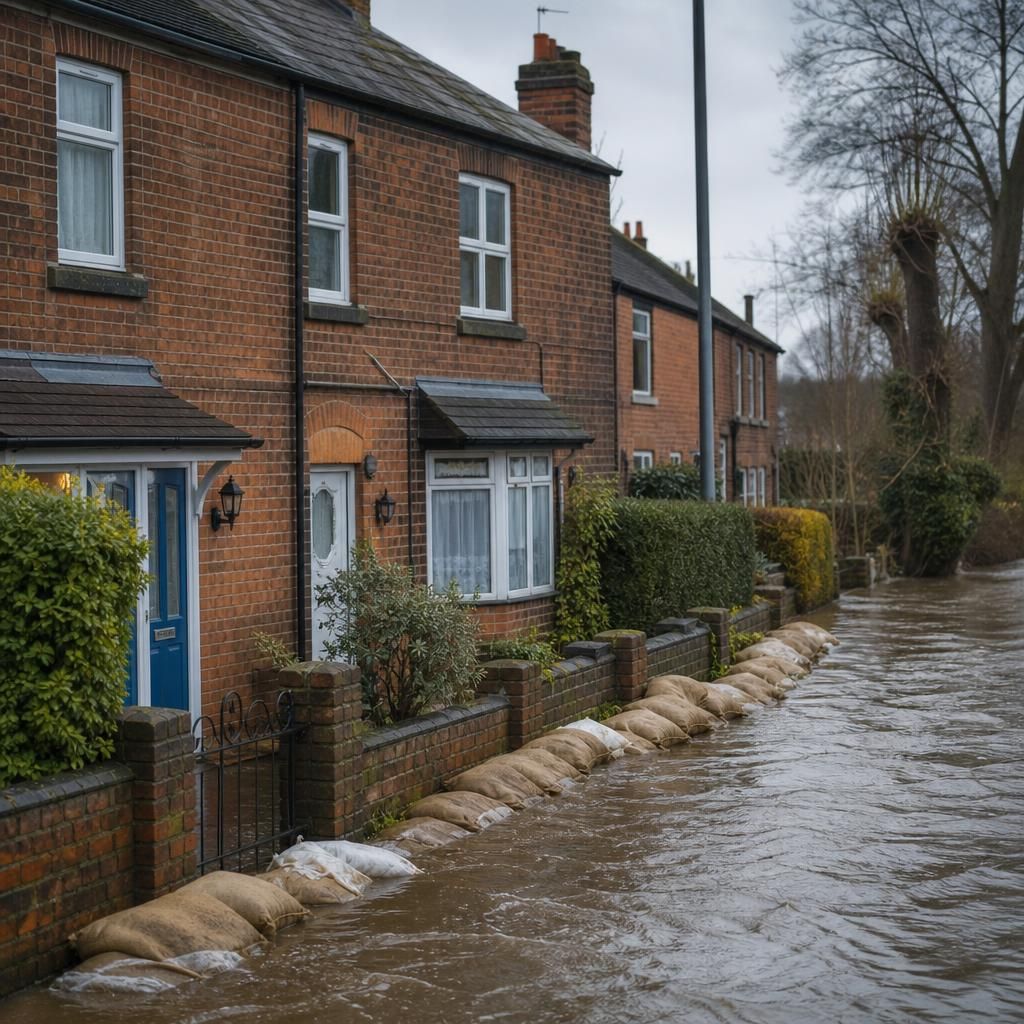
Environmental risks can affect a quick house sale valuation even when the property itself appears well maintained. Flood risk, historical mining, contaminated land, subsidence indicators and invasive plant concerns may lead to additional checks, specialist reports or remedial work. A buyer may allow for these potential costs when calculating the offer.
Relevant evidence can include previous survey findings, environmental reports, insurance information and details of any completed remedial work. Providing this information early helps distinguish between a confirmed issue and a precautionary allowance, reducing the risk of assumptions being built into the valuation.