

What factors should I consider when choosing a quick cash buyer for my home?
When choosing a quick cash buyer for your home, check the written offer, proposed fees, proof of funds, company details, reviews and sale conditions. A suitable buyer should explain the process clearly, identify any deductions or risks, and allow your solicitor to review the paperwork before you commit.
The right quick cash buyer is one that offers a transparent price, uses a properly documented process and can complete on terms that suit your legal and financial circumstances. The most important checks are the buyer’s valuation method, contract conditions, conveyancing arrangements, completion flexibility and the likelihood that the agreed price will remain unchanged throughout the transaction.
- Assess how the offer was calculated. A cash offer should relate to the property’s location, size, condition, tenure and likely market value. Ask whether it is based on comparable sales, an inspection, an automated estimate or a combination of methods. You can test the figure by obtaining an independent valuation or speaking to local estate agents, even if you ultimately choose not to market the property traditionally. Compare the likely net proceeds rather than focusing only on the headline figure.
- Check whether the price can be changed later. Some buyers make an initial offer and then seek a reduction after a survey or legal investigation. This is not necessarily improper if a serious defect is discovered, but the circumstances should be explained clearly. Ask what could trigger a renegotiation, who assesses the property and how disagreements are handled. A written record of the agreed assumptions helps prevent misunderstandings.
- Understand the proposed contract. Read every document before signing, particularly any exclusivity agreement, option agreement, conditional contract or reservation arrangement. Check how long you are committed, whether you can still consider other offers, what happens if the buyer withdraws and whether you could become liable for costs. Clauses allowing one party to extend the transaction indefinitely deserve particular scrutiny.
- Use an independent conveyancer. Your solicitor or licensed conveyancer should act for you, explain the legal effect of the documents and identify obligations that are not obvious from the buyer’s summary. A buyer may recommend a conveyancer, but you should understand whether that firm is independent and whether it also represents the buyer or another party in the transaction. Do not sign documents you have not had time to consider.
- Confirm the intended completion arrangements. Establish whether the buyer expects vacant possession, what items are included, how keys will be released and whether completion depends on another transaction. If you need time to arrange alternative accommodation, clear belongings or obtain a grant of probate, the proposed date should reflect that. A suitable buyer will be able to explain the sequence of exchange, completion and moving out without leaving important steps ambiguous.
- Consider the property’s legal status. Leasehold homes may involve service-charge information, consent requirements, restrictions or a short lease. Tenanted properties can raise questions about notices, access and possession. Probate, divorce, bankruptcy, a mortgage redemption or ownership by more than one person can also affect who must sign and when the sale can proceed. Tell your conveyancer about these issues at the outset so that the proposed timetable is realistic.
- Look at the buyer’s approach to surveys and defects. Clarify whether the property is being purchased in its current condition and whether the buyer intends to arrange a survey, inspection or specialist report. If the home has structural problems, Japanese knotweed, subsidence, missing approvals or other complications, ask how these will be dealt with contractually. Be cautious if an inspection is described as unnecessary but the buyer later relies on undisclosed technical conditions.
- Check payment and completion mechanics. Your conveyancer should verify where the purchase money will come from, how it will be transferred and what happens if funds are not available on the agreed completion date. Never send money to an unfamiliar account solely because an email appears to come from a buyer or solicitor. Confirm bank details using a trusted telephone number and follow your conveyancer’s identity and anti-money-laundering procedures.
- Review the buyer’s conduct during negotiations. Clear answers, consistent documents and reasonable time to take legal advice are positive indicators. Pressure to sign immediately, requests to bypass your solicitor, unexplained changes to the price or reluctance to put promises in writing are warning signs. A quick sale should still allow proper checks; speed does not remove the need for a valid contract and conveyancing.
- Consider your own financial position. Ask your mortgage lender for an up-to-date redemption figure and check for early repayment charges or other secured debts. If the sale price may not cover what you owe, speak to the lender and your solicitor before accepting an offer. Tax, probate, divorce and insolvency can also require specialist advice, so do not rely on the buyer to advise you on matters outside the purchase itself.
Before committing, prepare a short comparison of each buyer’s proposed price, expected net proceeds, conditions, completion date, contract length and legal arrangements. Keep copies of all offers and correspondence, and ask your conveyancer to explain any clause that could delay completion or leave you responsible for a cost. The strongest choice is not necessarily the highest initial offer; it is the buyer whose valuation, contract and completion plan remain clear after independent legal review.
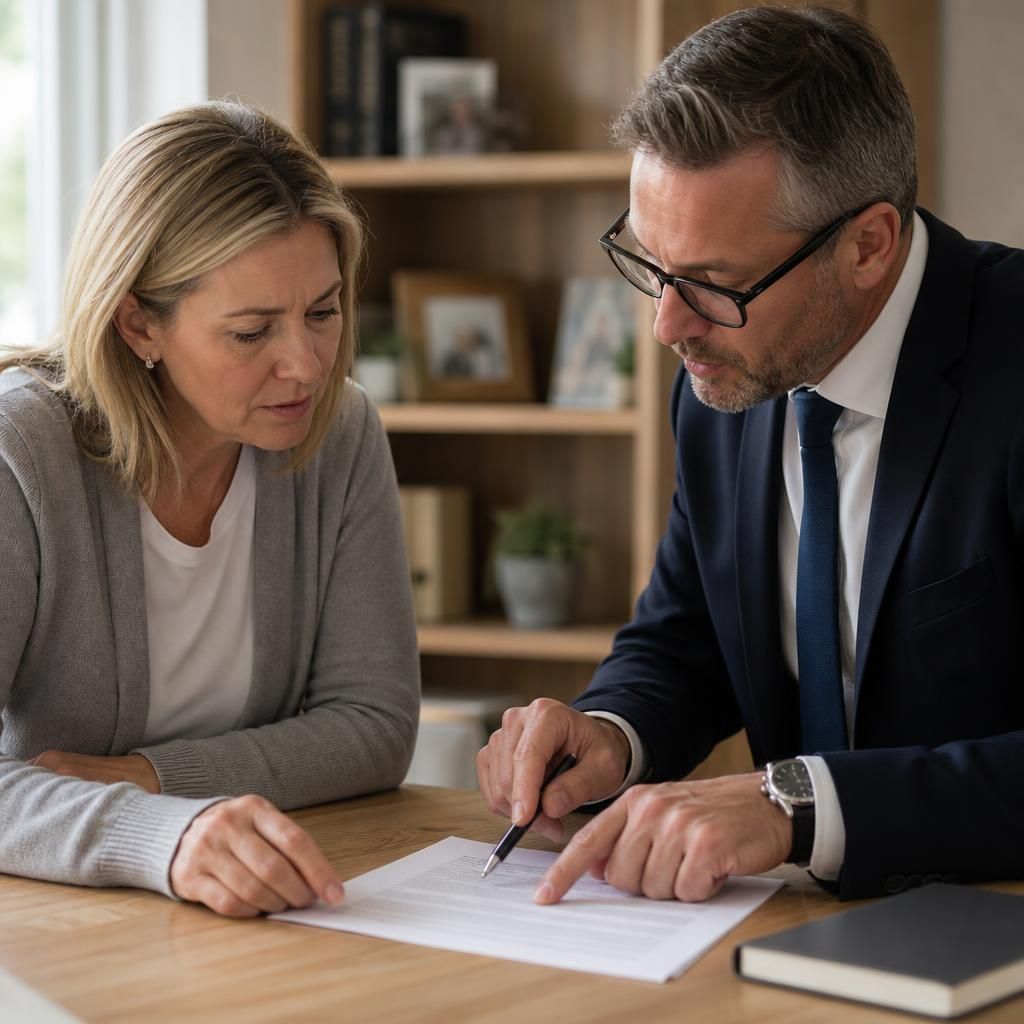
Verify that the legal entity making the offer is the same entity named in the contract and receiving the property. Check its registered details, directors and trading history using reliable public records, then ask whether the buyer can transfer or assign the contract to another party. If assignment is permitted, the agreement should explain whether you can object and whether the original buyer remains responsible for completion.
This check helps distinguish the person discussing the sale from the party legally committed to purchase. Ask who will provide the funds, who will instruct the conveyancer and what happens if the buyer’s funding arrangement changes. Your own solicitor should confirm that the contract identifies the correct purchaser and gives you a clear remedy if that purchaser fails to complete.
Compare Your Quick Cash Sale Options
If you are considering a quick cash sale, provide your property details to request a written offer and the proposed sale terms. Compare the offer with your expected net proceeds and ask your independent conveyancer to review the paperwork before making a decision.