

What common misconceptions exist about selling a house quickly for cash?
Common misconceptions about selling a house quickly for cash include the belief that cash sales require no legal checks, always achieve the highest market price, or involve no costs. In practice, the process can be faster than a traditional sale, but the offer, fees, timescale and legal requirements still need careful review.
Selling a house quickly for cash is not an automatic, paperwork-free shortcut. A cash sale removes the need for the buyer to arrange mortgage finance, but the property, offer and transaction still need to be assessed carefully. Understanding the common myths makes it easier to compare proposals and identify terms that could create problems later.
Myth: “Cash” means the buyer will arrive with physical money.
In property transactions, a cash buyer usually means a buyer who does not need a mortgage to fund the purchase. The money is normally transferred through the conveyancing process, just as it is in other property sales. A sensible seller should still ask for evidence that the buyer has the funds available and confirm who is purchasing the property.
Myth: Every cash buyer makes the same type of offer.
Cash buyers use different purchasing models. Some buy directly, while others may introduce a third party, assign a contract or depend on another transaction. These arrangements can affect control over the sale, the expected completion date and the certainty of the proposal. Before accepting, establish whether the buyer named in the offer will be the buyer completing the purchase.
Myth: A cash sale always completes immediately.
Removing mortgage finance can reduce one potential source of delay, but it does not make completion automatic. The transaction may still depend on title information, property searches, identification checks, replies to enquiries, the seller’s circumstances and the readiness of everyone involved. Treat any stated timescale as a proposed timetable rather than an unconditional guarantee.
Myth: A cash sale is the same as selling without a conveyancer.
A solicitor or licensed conveyancer remains important because they handle the contract, transfer of ownership, redemption of any mortgage and distribution of the sale proceeds. This is particularly relevant where the property is inherited, jointly owned, subject to restrictions or affected by a divorce or separation. Independent legal advice can also help a seller understand the documents before signing them.
Myth: Selling “as seen” means the seller can omit important information.
A buyer may agree to purchase a property in its current condition, but that does not remove the need to answer relevant questions accurately. Information about alterations, boundaries, disputes, notices, leases, tenants, flooding or known defects may affect the transaction. Concealing a material issue can lead to renegotiation, a delayed sale or a claim after completion.
Myth: Only owners of damaged or undesirable properties use cash buyers.
Cash sales can suit a range of circumstances, including probate, separation, mortgage arrears, an empty property, a tenancy issue or a seller who does not want to undertake repairs before marketing. The property’s condition and the seller’s reason for moving are separate issues. A seller should describe the property honestly and compare the proposed sale with the practical alternatives available.
Myth: An accepted offer cannot change.
In England and Wales, an offer is generally not legally binding until contracts are exchanged. A buyer may seek to revise an offer if new information emerges, if the condition differs from what was described or if the buyer’s circumstances change. Ask when the offer becomes binding, what could trigger a review and whether the proposal includes conditions that are not immediately apparent.
Myth: A quick cash sale removes the need to check the buyer and the paperwork.
Speed should not replace verification. Check the buyer’s identity, the proposed purchase structure, the written offer, the contract and the identity of the conveyancer handling the transaction. Read restrictions on withdrawal, completion and vacant possession carefully. If the property has a mortgage, lease, tenant, probate issue or another complication, tell the conveyancer at the outset so the transaction can be assessed properly.
For a reliable comparison, judge a cash proposal by more than its headline amount. Consider who the buyer is, whether proof of funds is available, what conditions apply, whether the proposed timetable is realistic and whether you have independent advice. A fast sale can be a suitable option, but it should still be approached as a formal property transaction rather than an informal exchange of money.
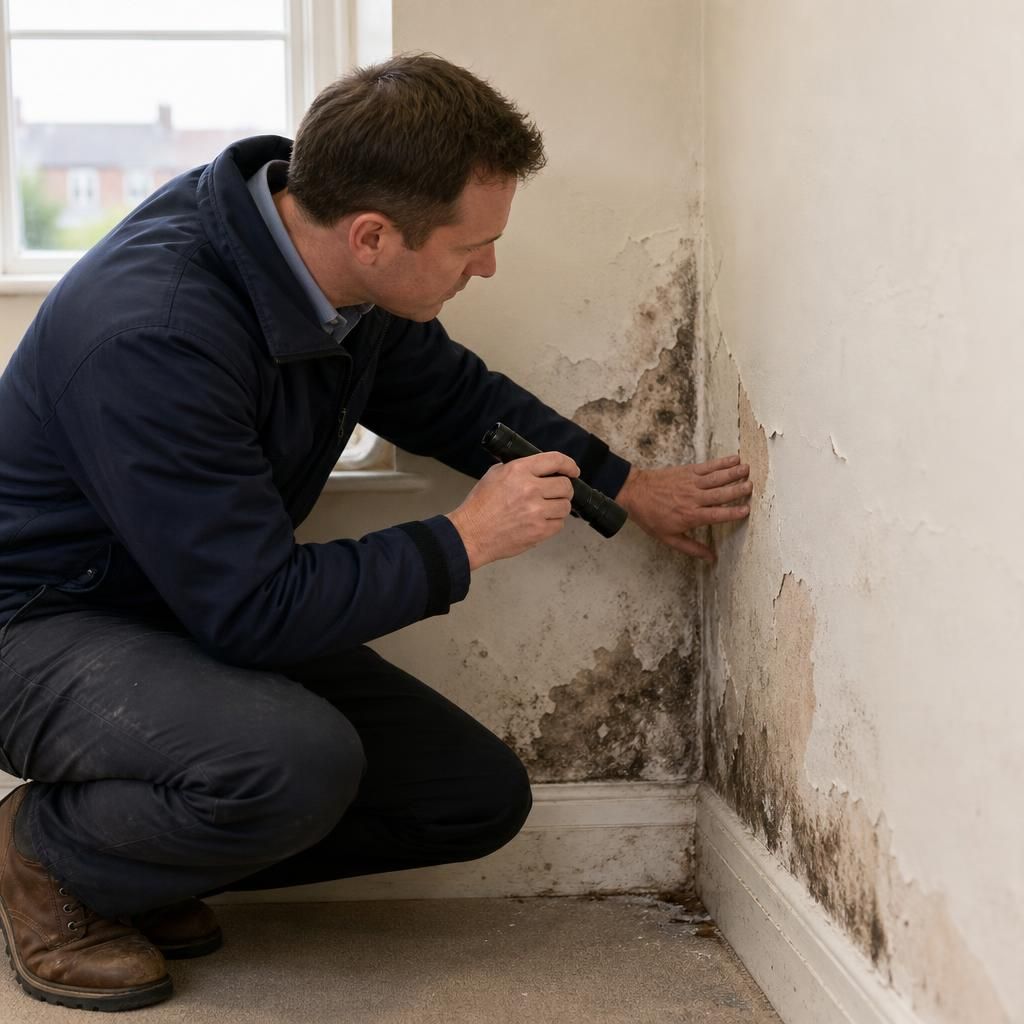
Myth: A cash buyer will not inspect the property. A buyer who does not need mortgage finance may still arrange a survey, inspection or other checks before committing to the purchase. These checks can identify structural defects, damp, unauthorised alterations or other issues that affect the property’s condition and value.
Do not rely on an assumption that the property will be accepted without investigation. Provide accurate details, keep relevant documents available and ask what inspections form part of the buyer’s process. This helps clarify whether the proposed offer is based on the property’s actual condition or could be reviewed after further assessment.