
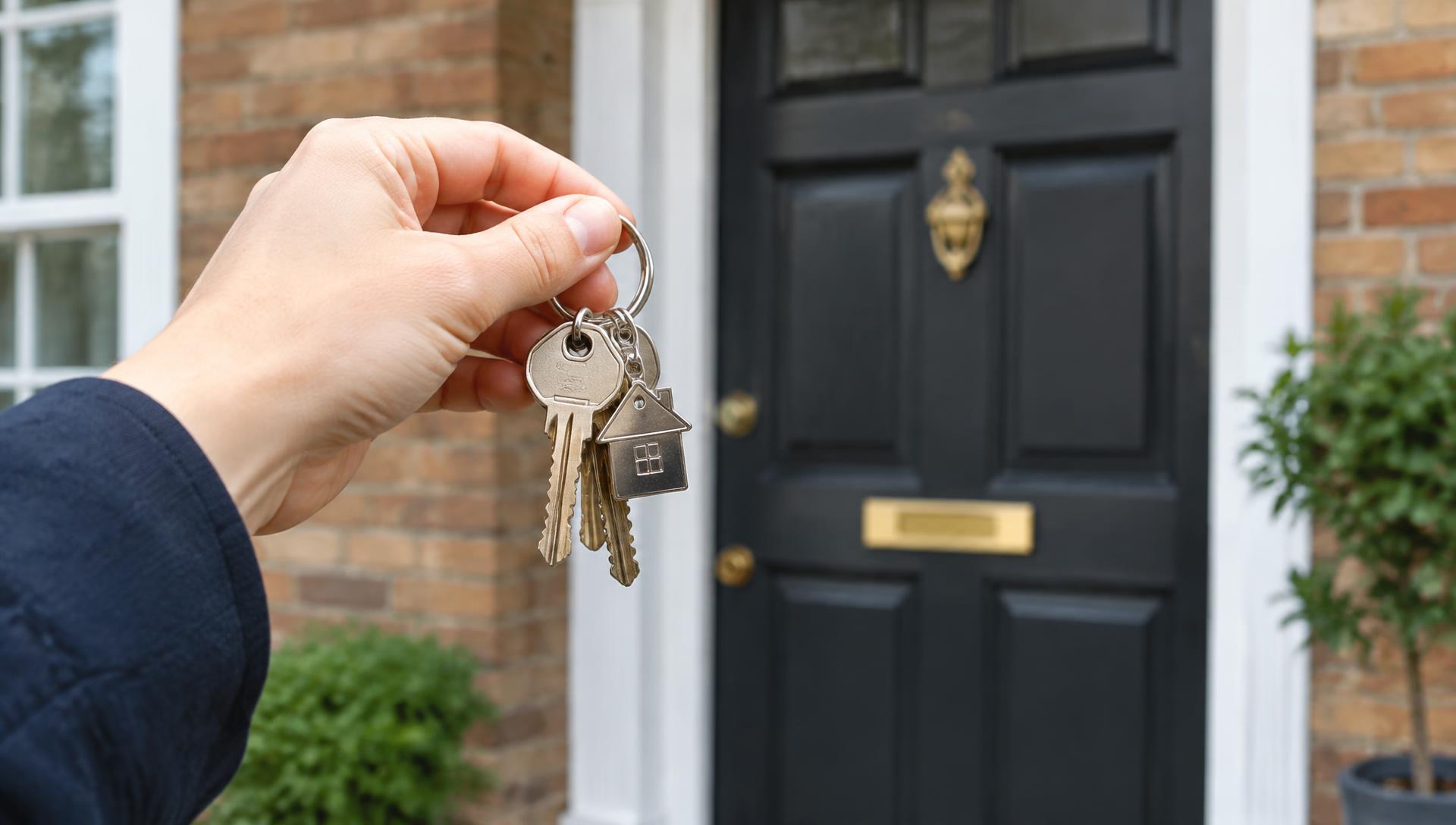
What steps should I take to prepare my house for a fast sale?
To prepare your house for a fast sale, declutter the rooms, complete essential repairs, gather the relevant property documents and resolve any obvious access or legal issues. A realistic valuation and an organised presentation can help buyers assess the property efficiently without unnecessary delays.
Preparing a house for a fast sale means removing avoidable decisions and delays before a buyer or conveyancer needs information from you. Alongside the usual property preparation, focus on agreeing the sale terms, checking your finances, confirming who can authorise the transaction and organising the practical arrangements for moving.
- Set your sale priorities. Decide what matters most: a particular completion date, certainty over the agreed price, avoiding an estate-agent listing or selling with minimal work. This helps you assess offers consistently rather than changing your requirements during negotiations. Be clear about any conditions that are essential, such as whether you need time to find alternative accommodation.
- Confirm who must approve the sale. If the property is jointly owned, all registered owners will normally need to participate in the transaction. Other circumstances may also require coordination with an executor, attorney, trustee, lender or family member. Identify the relevant decision-makers at the outset and make sure they agree on the proposed sale route.
- Check the financial position. Ask your mortgage lender for an up-to-date redemption figure if borrowing is secured against the property, and identify any arrears, charges or other sums that may need to be settled from the proceeds. Consider conveyancing costs, removal expenses and any tax advice you may need. Knowing the likely net amount helps you judge whether an offer is workable.
- Decide what will remain with the property. Make a written list of fixtures, fittings and items included in the sale. This might cover built-in appliances, light fittings, garden equipment or free-standing furniture. Agreeing this early reduces misunderstandings when the buyer reviews the property details and prevents last-minute negotiations about items you intended to take.
- Deal with occupancy arrangements. Establish whether the property is vacant, owner-occupied or subject to a tenancy. For a tenanted property, check the tenancy terms, notice requirements and any deposit arrangements before agreeing a completion plan. A buyer will need an accurate understanding of who is entitled to occupy the property and when possession can be provided.
- Choose a conveyancer and prepare for identity checks. Instruct a solicitor or licensed conveyancer who is familiar with the type of transaction involved. Return identification forms promptly, explain any unusual ownership history and keep contact details current. If the sale involves probate, a trust, divorce or a company, mention this at the start so the correct information can be requested without restarting the process.
- Make the property information consistent. Give the same accurate description of the condition, boundaries, alterations, occupancy and included items to each interested party. Do not conceal known defects or describe unfinished work as complete. Clear information allows a buyer to assess the property properly and reduces the risk of renegotiation after inspections or enquiries.
A fast sale still involves checks on ownership, finance, property information and the buyer’s proposed transaction. Preparation is therefore less about making a house look perfect and more about ensuring that the people, decisions and information needed for the sale are ready. A direct cash buyer may be suitable for an owner who values a straightforward process, but the buyer should still receive an honest description of the property and the agreed terms should be reviewed carefully before signing.
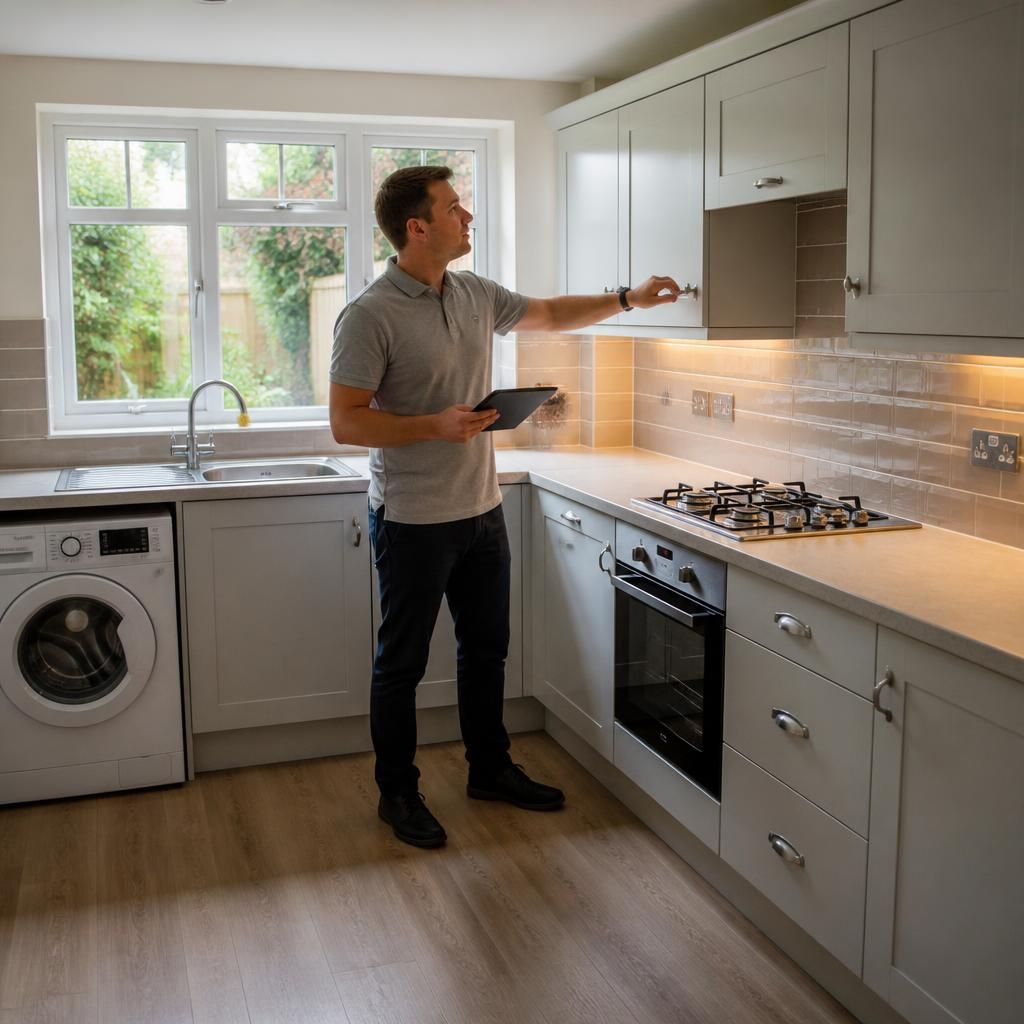
Presentation should make the property easy to assess without encouraging unnecessary renovation work. Concentrate on visible cleanliness, good lighting and a clear view of each room’s condition rather than spending money on improvements that may not affect the sale decision.
- Clean kitchens, bathrooms, windows and floors, paying attention to areas that reveal damp, leaks or poor maintenance.
- Open curtains and blinds, replace failed light bulbs and keep rooms well ventilated so their condition is visible.
- Keep gardens, entrances and pathways safe and reasonably tidy, as these areas form part of the buyer’s first assessment.
- Complete only low-cost tasks that remove obvious distractions, such as fixing loose handles or touching up marked surfaces.
Before allowing an inspection, check that every room, loft space, outbuilding and relevant external area can be viewed safely. A straightforward presentation helps the buyer distinguish the property’s genuine condition from avoidable untidiness and can reduce requests for clarification.