

What are the risks involved in selling my house quickly without engaging an estate agent?
Selling your house quickly without an estate agent can expose you to an undervalued offer, incomplete buyer checks, overlooked legal requirements and disputes about the property’s condition. You also take responsibility for marketing, negotiations and coordinating the conveyancing process, so independent legal advice and careful verification of the buyer and contract are important.
Selling a house quickly without an estate agent can reduce the support available during the transaction, leaving you exposed to financial, administrative and security risks. The main concerns are accepting an unsuitable offer, dealing with an unreliable or fraudulent buyer, misunderstanding the true cost of the sale, and failing to identify issues that could delay completion or create liability later.
Financial risks beyond the sale price
- Hidden deductions: An attractive headline offer may be reduced by proposed charges, conveyancing costs, survey-related renegotiations, redemption fees or other deductions. Ask for the offer and every proposed deduction in writing, then compare the expected net proceeds rather than the headline figure.
- Mortgage shortfall: If the sale price does not cover the outstanding mortgage, secured loans and sale costs, you may need to fund the difference or obtain the lender’s agreement to proceed. Request an up-to-date redemption statement before committing to a price.
- Tax consequences: A sale can have tax implications depending on factors such as whether the property has been your main residence, whether it is jointly owned, and whether it has been rented or used for business. Obtain appropriate tax advice where your circumstances are not straightforward.
- Pressure to accept: Urgency can make it harder to assess whether an offer reflects the property’s market position or your own financial needs. A rapid decision is still a significant legal and financial commitment.
Risks relating to the buyer and the transaction
- Uncertain funding: A buyer may make an offer without having the funds available, relying on another sale, a mortgage or later investment. Establish whether the buyer is purchasing with cash, ask for suitable evidence of funds through the conveyancers, and distinguish a genuine offer from an expression of interest.
- Last-minute withdrawal: In England and Wales, an agreement is generally not binding until exchange of contracts. A buyer may therefore withdraw or renegotiate before exchange, while you may already have paid for searches, removals or other commitments. Scotland has a different process, so local legal advice is important.
- Fraud and identity theft: Fake buyers, cloned identities and requests to send money to an unverified account can cause serious loss. Use regulated conveyancers, confirm bank details by an independently obtained telephone number, and do not rely solely on email instructions for changes to payment details.
- Unclear authority: If someone is acting for a company, trust, executor or another owner, confirm that they have authority to buy or sell the property. A company search or documentary evidence may be appropriate, but your conveyancer should carry out the formal checks.
Property information and future liability
Without an agent preparing marketing particulars, you must take care that descriptions and answers about the property are accurate. Omitting a known issue, overstating its size or presenting a disputed boundary as certain can lead to complaints, renegotiation or legal action. This includes matters such as rights of way, restrictive covenants, previous building work, flooding history, Japanese knotweed, neighbour disputes and alterations that may not have the necessary approvals.
Complete the seller’s property information forms carefully and disclose material facts rather than relying on informal conversations. If you are unsure whether something matters, ask your conveyancer before making a statement. Keep copies of documents supporting planning permission, building regulations approval, guarantees, warranties and electrical or gas work.
Administrative and practical risks
- Incomplete title information: Missing deeds, unregistered land, lease restrictions, absent landlord consents or discrepancies in names and addresses can make a sale more complicated. Identify these issues early so there is time to obtain replacement documents or specialist advice.
- Leasehold complications: Leasehold sales may require information from the freeholder or managing agent, including details of service charges, planned major works, insurance and compliance requirements. Delays or unexpected charges may affect the buyer’s willingness to proceed.
- Occupied property issues: Tenants, lodgers or unauthorised occupiers can affect possession and the buyer’s intended use. Check the tenancy position and obtain advice before promising vacant possession.
- Completion risks: You remain responsible for arranging removals, clearing possessions, handing over keys and ensuring the property is in the condition required by the contract. Failure to vacate or leave agreed fixtures and fittings can create disputes.
How to reduce the risk
- Instruct an independent conveyancer before accepting an offer, and choose one familiar with the relevant jurisdiction and property type.
- Request a written breakdown of the proposed price, deductions, conditions and target dates.
- Keep the property insured until completion and follow your conveyancer’s instructions about vacant possession, keys and utilities.
- Prepare title documents, guarantees, planning records, lease information and completed property forms as early as possible.
- Do not sign documents, transfer money or accept unusual contractual terms without understanding their effect.
- Keep a written record of offers, disclosures, agreed inclusions and communications with the buyer.
A direct sale can be suitable for some circumstances, but speed does not remove the need for due diligence. The safest approach is to treat the buyer, price, paperwork and contract as separate matters and have each reviewed before you become committed.
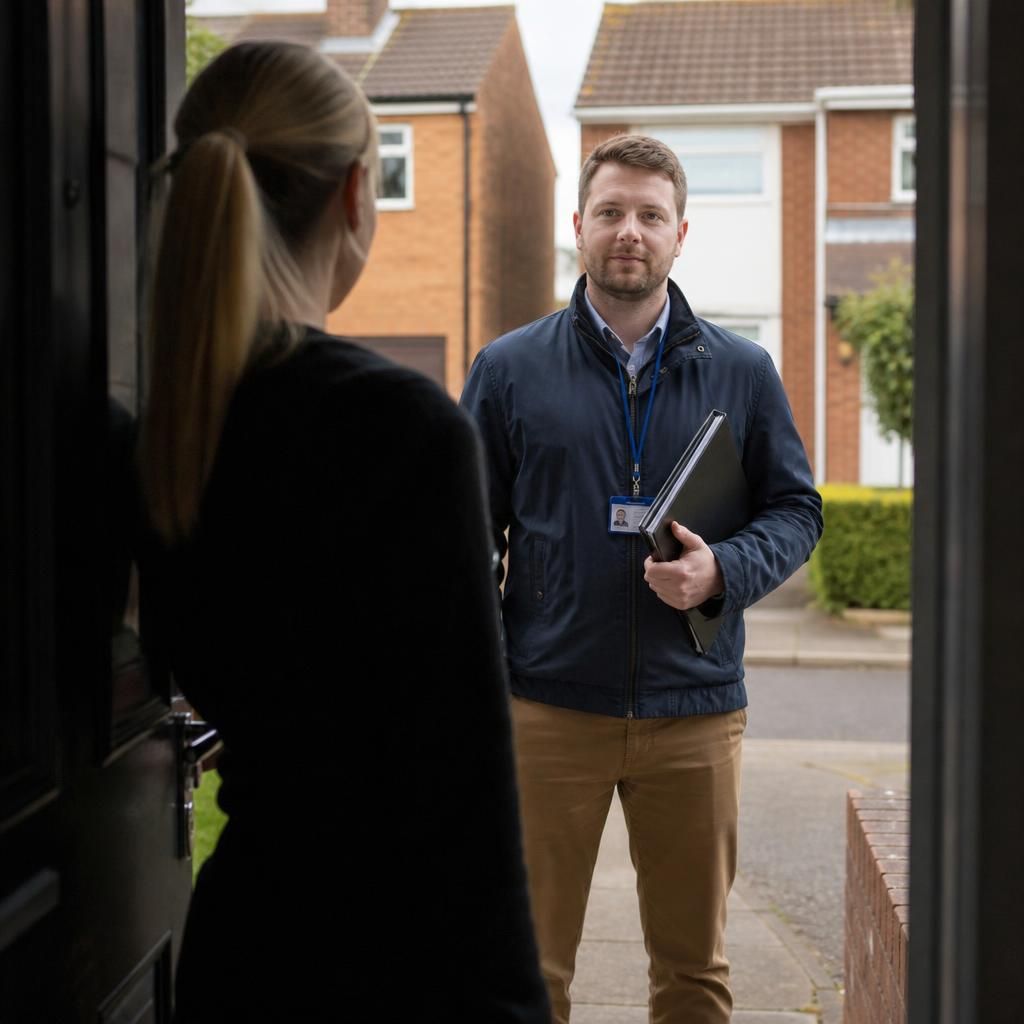
Arranging viewings yourself creates practical security risks that are separate from the legal checks on the buyer. You may be dealing directly with people whose identity and purpose have not yet been verified, while the property still contains personal documents, valuables and information about your financial circumstances.
Reduce this risk by agreeing viewings in advance, confirming who will attend, removing or securing sensitive items and keeping valuable documents out of sight. Do not disclose unnecessary details about mortgage arrears, divorce, probate or other pressures that could weaken your negotiating position. If a visitor behaves unreasonably or asks to access areas unrelated to the sale, end the viewing and refer communication to your conveyancer.
Explore your options for selling your house quickly without an estate agent
If you are considering a direct sale, contact buyhousesfast.co.uk to discuss your circumstances and request clear written details of the proposed transaction. Have the offer and contract reviewed by an independent conveyancer before making a commitment.