
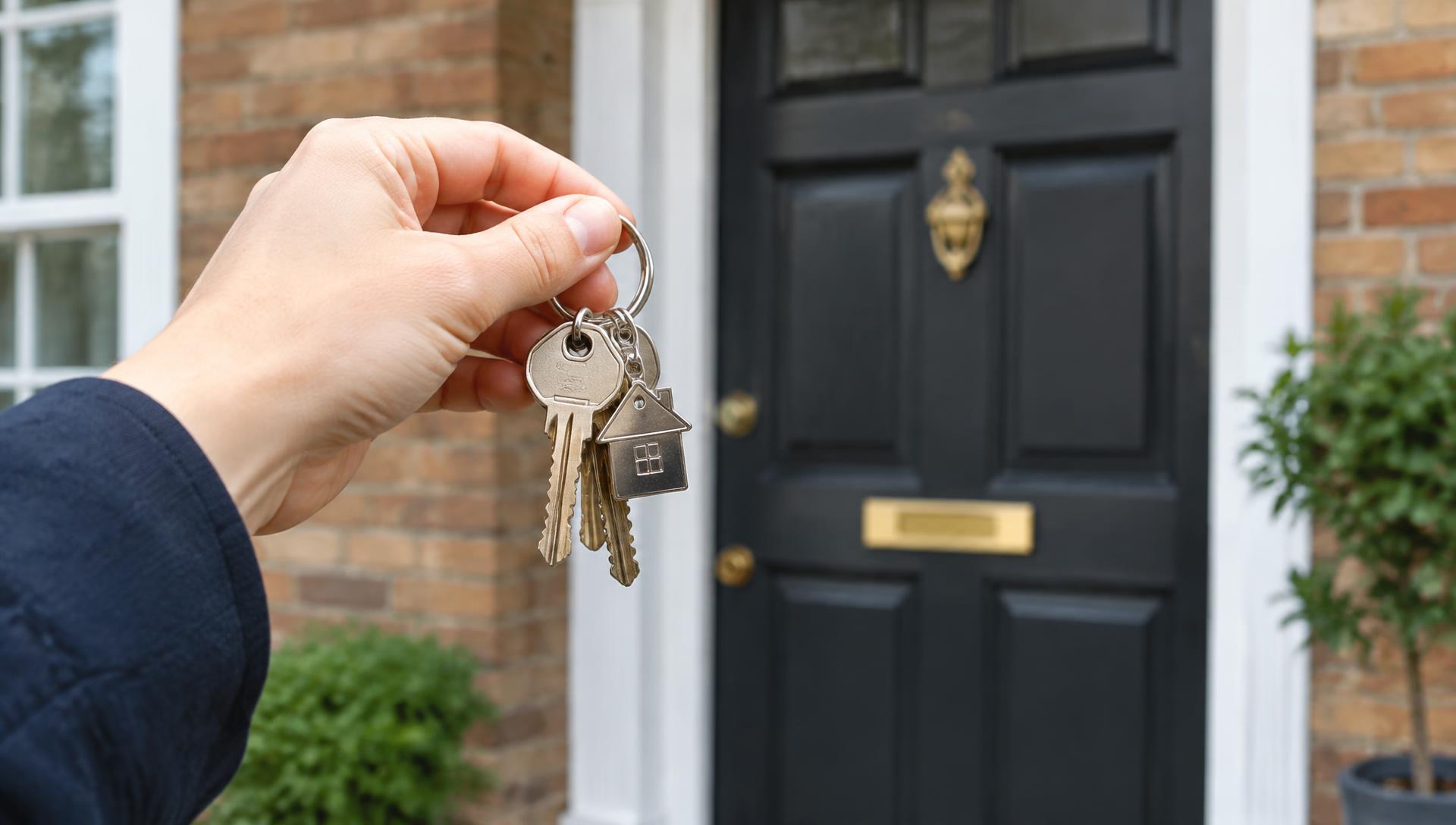
How should I prepare my home for viewings when selling without an estate agent?
Prepare your home for viewings by making it clean, bright, uncluttered and easy for buyers to inspect. Complete minor repairs, improve kerb appeal, remove personal items and ensure each room is well presented so viewers can assess the property’s condition and potential.
Preparing a home for viewings without an estate agent means organising the property, information and viewing process so buyers can assess it confidently and safely. Presentation is only one part of the preparation; you also need a clear plan for access, accurate answers to questions, suitable security measures and a consistent way to manage interest.
Set a viewing policy before advertising
- Decide whether you will accompany every visitor or allow any access without you. Accompanied viewings give you more control and allow questions to be answered immediately.
- Use an appointment system rather than accepting unplanned visitors. Keep a record of names, contact details and agreed times.
- Allow enough time between appointments to secure the property, reset rooms and make notes. Avoid creating pressure that could make buyers feel rushed.
- If another person owns the property, lives there or has a legal interest in it, agree the viewing arrangements with them first. Tenanted properties require particular care, as tenants’ rights and notice requirements may apply.
Prepare accurate property information
Buyers commonly ask about matters that are not obvious during a viewing. Prepare a written summary covering the tenure, council tax band, parking arrangements, boundaries, included fixtures and fittings, known restrictions, recent works and the age or condition of major systems. Be clear about anything that will be removed before completion, such as freestanding appliances, light fittings or garden structures.
Keep relevant documents available for later questions, including guarantees, planning permissions, building regulation certificates and paperwork for replacement windows, electrical work, heating systems or extensions. Do not describe work as approved or certified unless you have evidence. If you are unsure about a legal or technical point, say that it needs to be verified rather than guessing.
Check the property before each appointment
- Confirm that doors, gates, windows, cupboards and rooms intended to be shown can be accessed safely.
- Check that essential systems you intend to demonstrate, such as heating, lighting, taps or appliances included in the sale, operate as described. Do not conceal faults or create a misleading impression.
- Make lofts, garages, sheds and outbuildings accessible only where they are safe to enter. Warn visitors about low ceilings, uneven surfaces, fragile flooring or other hazards.
- Ensure the route from the pavement or parking area is clear and that visitors know which entrance to use.
- Secure confidential papers, medication, valuables, spare keys and personal electronic devices. Buyers do not need access to private correspondence or financial information.
Pets should be secured in a way that protects them and prevents disruption. If animals, children or vulnerable occupants will be present, plan where they will be during the appointment. Consider privacy as well: remove family photographs, labels showing personal details and paperwork visible through windows or on desks.
Help buyers understand the layout
Prepare a simple floor plan with room dimensions, even if it is not professionally drawn. Measurements should be accurate and should identify unusual shapes, restricted head height or areas not included in the stated dimensions. Note the position of parking spaces, storage areas, gardens and shared access where these features could affect a buyer’s decision.
During the visit, let buyers move through the property at their own pace while remaining available for questions. Point out practical features such as storage, access to utility meters and the location of controls, but avoid following closely or making claims about how the property will suit them. Buyers need enough independence to form their own assessment.
Be open about condition and limitations
A viewing should support an accurate understanding of the property rather than disguise problems. Explain known issues such as damp, structural movement, previous flooding, Japanese knotweed, disputed boundaries, access arrangements or alterations that may lack documentation when they are relevant. Some matters require formal legal disclosure or specialist advice, so include them in the information provided to your conveyancer as well as discussing them with prospective buyers.
Do not use temporary presentation measures to hide defects, block access to problem areas or describe future improvements as completed works. Straightforward answers help prevent misunderstandings, renegotiation or disputes later in the sale.
Manage questions and follow-up
Keep a list of questions you cannot answer during the viewing and follow up only after checking the information. Record useful feedback separately from casual comments, as several visitors raising the same practical concern may indicate that your listing or information needs clarification.
After each viewing, check that windows, doors, gates, alarms and outbuildings are secure. Keep notes of who attended and what was discussed, but do not share one buyer’s personal information with another. If a visitor asks to return, requests a survey or makes an offer, confirm the details in writing and explain what remains subject to contract and legal checks.
If arranging and hosting viewings is impractical, you can compare this approach with selling directly to a property-buying company, where the process may not depend on presenting the home to multiple individual buyers. Whichever route you choose, accurate information about the property remains essential.
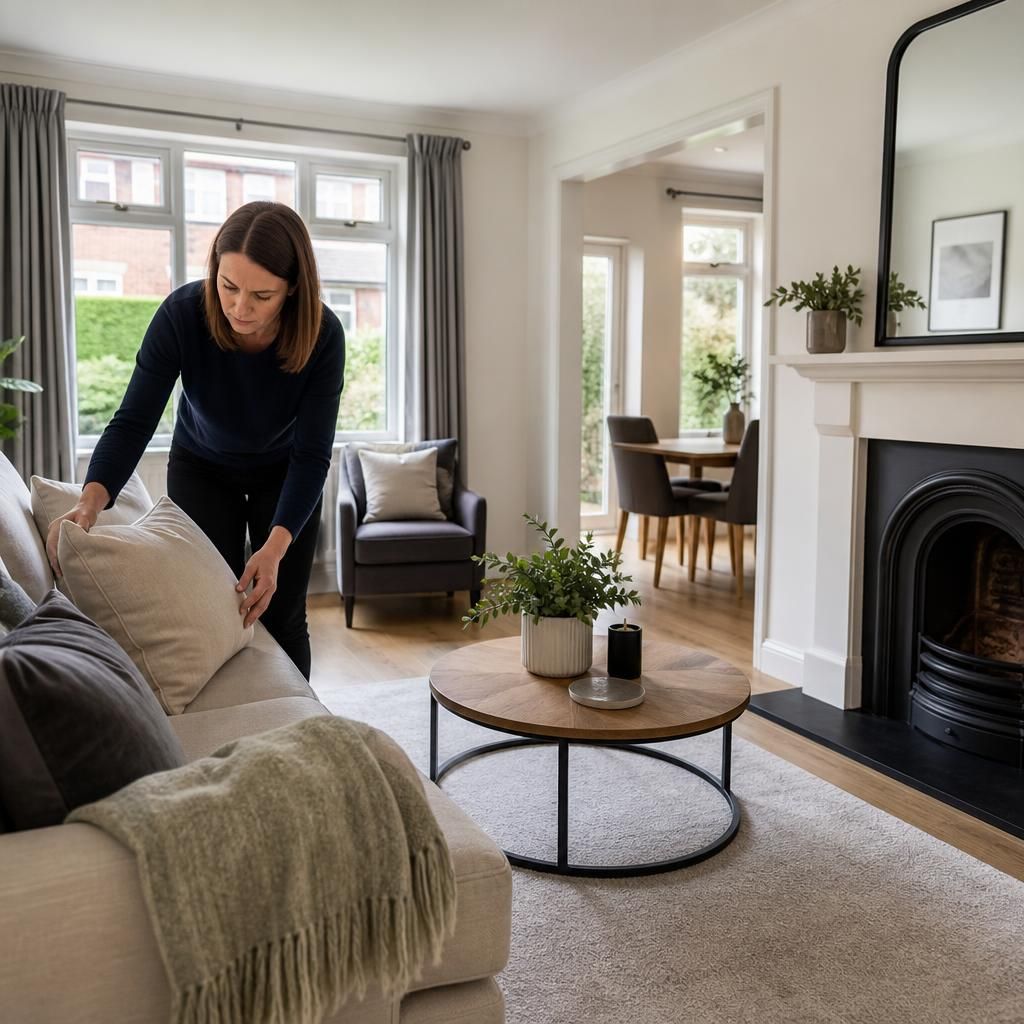
Make sure the home shown in person matches the way it is represented in your listing. Buyers may arrive with expectations based on photographs, room descriptions and measurements, so remove or update any images that no longer reflect the property’s current condition. Avoid photographs that conceal awkward layouts, limited natural light or features excluded from the sale.
Review the wording as well as the images before appointments begin. Descriptions should distinguish between existing features and potential uses; for example, describe a room according to its current function rather than presenting storage space as a bedroom without the relevant basis. Consistent, accurate presentation helps viewers assess the property fairly and reduces confusion during follow-up discussions.