
What are the best strategies for marketing my home without an estate agent?
Market your home privately by setting a well-researched asking price, preparing clear, accurate photographs and descriptions, and promoting the listing across suitable online property platforms and local channels. Be transparent about the property’s condition and sale terms, respond consistently to enquiries, and keep organised records of viewings and buyer interest.
Effective private marketing is the process of presenting your property to the right buyers, choosing suitable channels, and managing interest consistently without relying on an estate agent. The strongest approach combines a clear buyer proposition, targeted promotion, accurate information and a simple method for moving suitable prospects towards a viewing or offer.
Define the property’s strongest selling points. Before promoting the home, identify the features most relevant to likely buyers. These might include transport links, school catchment areas, outdoor space, parking, accessibility, room flexibility, planning potential or suitability for renovation. Focus on useful, verifiable benefits rather than exaggerated claims. A buyer looking for a family home will respond to different information from a landlord, developer or purchaser seeking a property requiring refurbishment.
Choose marketing channels based on the likely buyer. A single listing channel may not reach every relevant audience. Consider a combination of:
- Property portals that accept private listings, where available.
- Local community groups and neighbourhood forums, subject to their advertising rules.
- Social media posts aimed at people who live locally or may be considering a move back to the area.
- Personal and professional contacts who may know someone seeking a property.
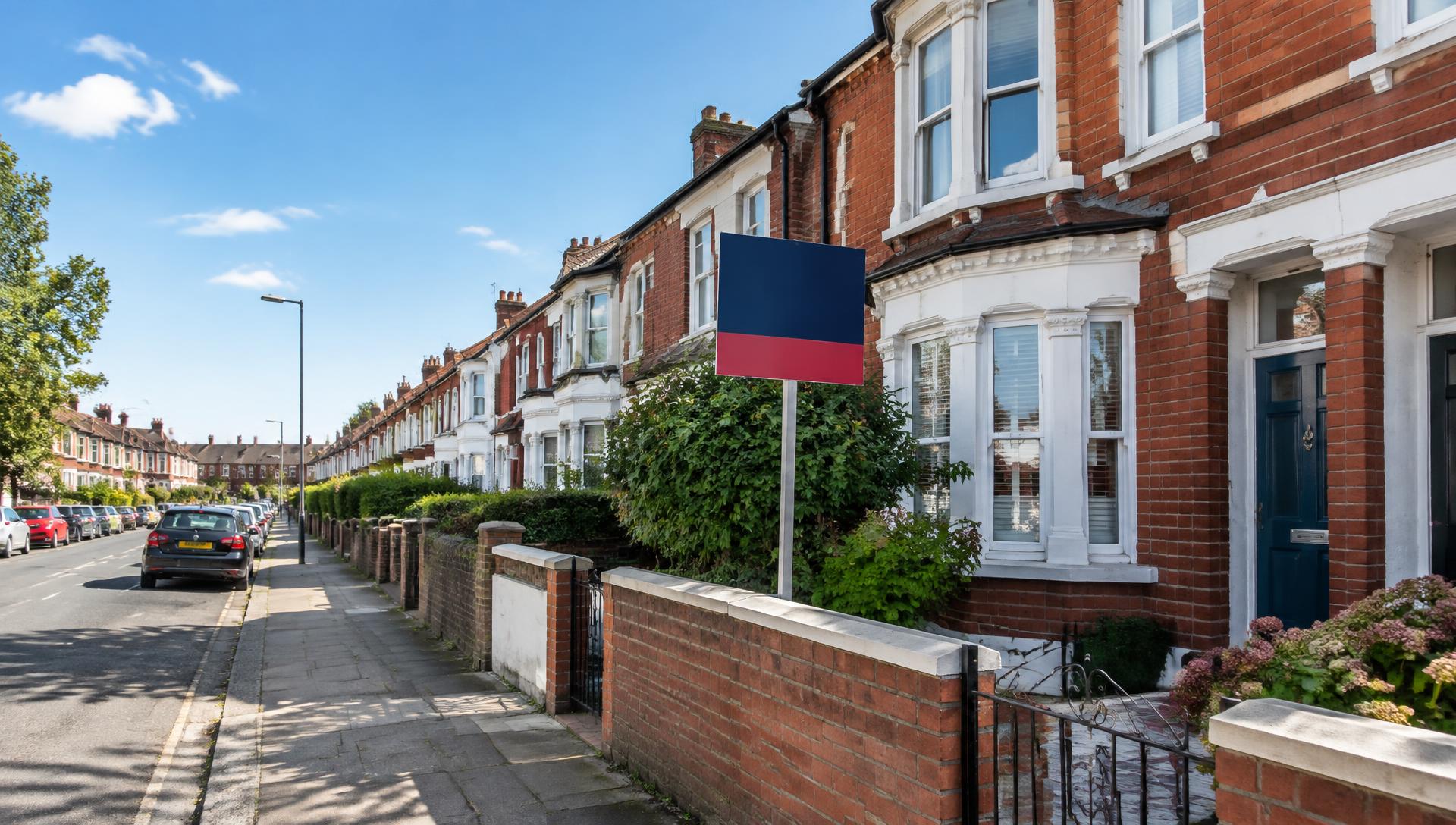
- A visible but legally compliant sale board, where permitted and appropriate.
- Specialist networks for unusual homes, investment properties or renovation projects.
Using several relevant channels is generally more useful than publishing identical material everywhere. Adapt the wording to each audience while keeping the facts consistent, so prospective buyers are not given conflicting information.
Make the advert easy to assess. Buyers should be able to establish quickly whether the property is worth pursuing. Include the basic property type, approximate accommodation, tenure, council tax band where known, parking arrangements, outdoor space, notable restrictions and the preferred sale terms. If the home is leasehold, relevant details such as the remaining lease term, service charges and ground rent can prevent unsuitable enquiries. Do not describe information as confirmed if it still needs to be checked.
Use a clear call to action. Explain how an interested person should make contact and what information you want them to provide. Asking for their name, preferred contact details, intended timescale and whether they have a related property to sell can help you prioritise enquiries. Avoid requesting sensitive financial information through a public post. Any contact process should comply with UK data protection requirements, particularly if you retain people’s details for future contact.
Build trust through supporting information. A private seller can provide a concise information pack once a genuine buyer has made contact. This might contain a room schedule, utility information, details of alterations, planning references, guarantees for relevant works and known restrictions affecting the property. Keeping this material organised demonstrates that the sale is being handled seriously and can reduce repeated questions. It should support, not replace, the formal legal information required later in the transaction.
Use viewings as part of the marketing process. Marketing does not end when someone requests an appointment. Offer a consistent explanation of the property, highlight practical information rather than applying pressure, and allow the buyer to inspect relevant areas. After each viewing, record factual feedback and recurring questions. If several people misunderstand the same feature, revise the advert or information pack rather than giving different explanations to each prospect.
Measure which channels produce worthwhile interest. Keep a simple record of where each enquiry originated, whether the person requested a viewing, whether an offer followed and why an enquiry did not progress. This helps distinguish visibility from genuinely useful marketing. A channel that produces many messages but no suitable prospects may be less effective than a smaller, more targeted audience.
Consider buyers beyond the conventional open-market route. Some properties attract limited interest because of condition, occupancy, title issues, probate, separation or the need for a particularly straightforward sale. In those circumstances, include specialist purchasers in your research. Buyhousesfast.co.uk purchases residential properties for cash across the UK, so a seller can compare a direct cash-sale proposal with private marketing and decide which route fits their circumstances. Check the proposed terms carefully and obtain independent legal advice before committing to any transaction.
Finally, keep the marketing record, enquiries, viewing feedback and any agreed changes to the listing together. A documented process makes it easier to compare offers on more than headline price, including the buyer’s funding position, conditions, proposed timescale and likelihood of progressing. Private marketing is most effective when promotion and decision-making are treated as one organised process.

Accurate marketing information is essential when selling a home without an estate agent because buyers use the advert to decide whether to enquire, view and make an offer. Check every material detail before publication, including tenure, boundaries, alterations, planning matters, parking rights, restrictions and any known defects.
Use photographs and descriptions that represent the property as it is. Do not digitally remove permanent features, disguise damage or describe potential improvements as existing benefits. If a detail is uncertain, say that it is subject to confirmation rather than presenting it as fact. Where required, provide an EPC and ensure the advertised information is consistent with the documents later supplied to the buyer’s conveyancer.
This approach may produce fewer unsuitable enquiries, but it makes the marketing more credible and reduces the risk of disputes caused by misleading statements. Review the advert whenever a material fact changes, such as an agreed offer, planning decision or discovered title issue.