
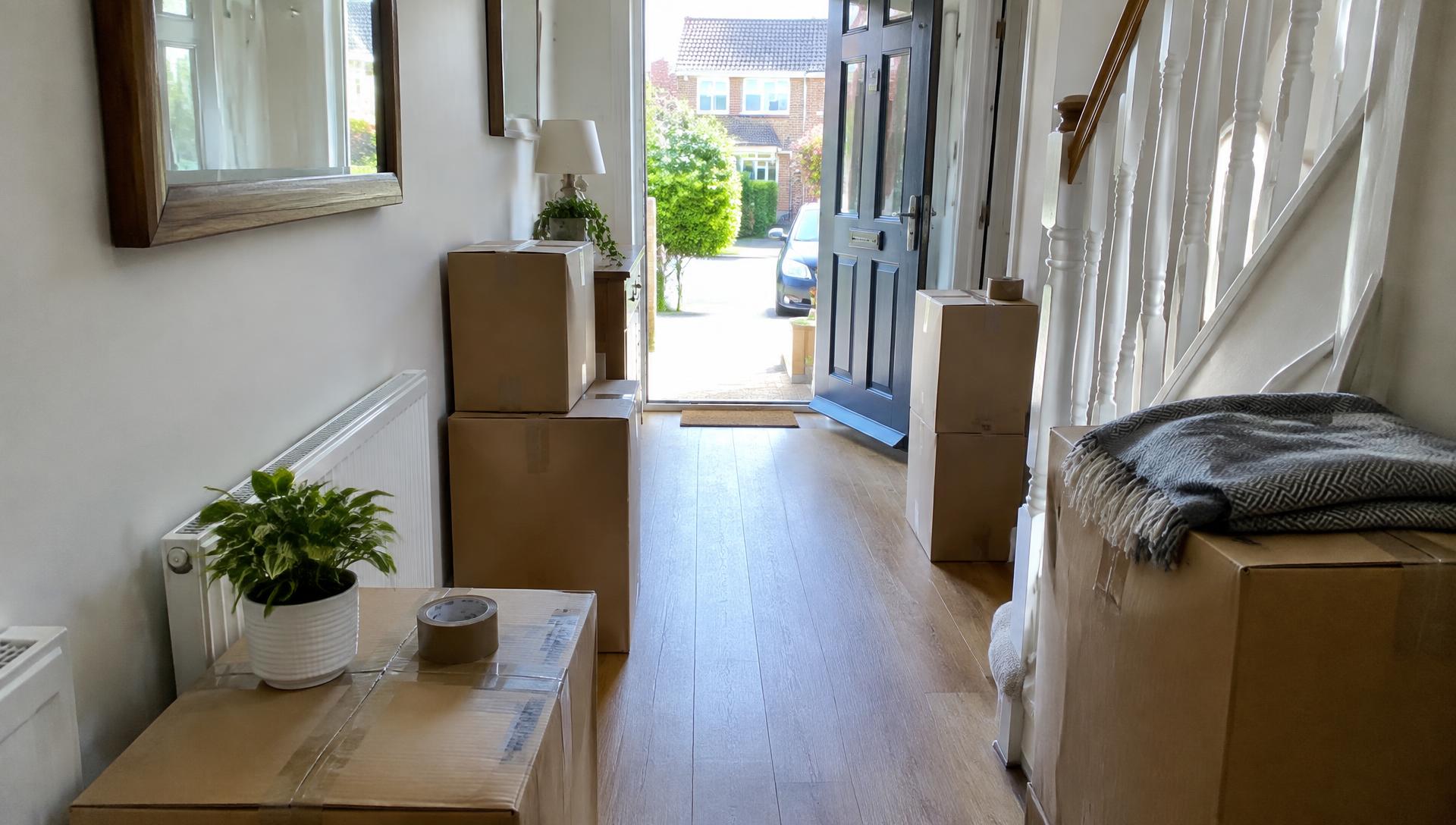
What steps should I take to prepare my home for a quick cash sale?
Prepare your home for a quick cash sale by gathering essential documents, resolving known legal or property issues, completing only necessary repairs, and presenting the property cleanly for inspection. Give the buyer accurate information about the home and agree a clear completion plan with the relevant solicitor or conveyancer.
Preparing a home for a quick cash sale means removing avoidable obstacles before the buyer assesses the property and the conveyancer begins the transaction. The most effective preparation is practical rather than cosmetic: establish your selling position, make the property accessible, organise information about the home, and identify anything that could affect its value or transfer.
Decide what you need from the sale
Before approaching a cash buyer, clarify your preferred timescale, whether you need to remain in the property for a period after completion, and whether any items should be excluded from the sale. This gives you clear points to discuss when reviewing an offer. If the property is occupied by tenants, check the tenancy arrangements and explain them accurately, as vacant possession and an occupied sale involve different practical requirements.
Also consider the financial position of the property. If there is a mortgage, secured loan, restriction or other charge, contact the relevant provider for an up-to-date settlement figure and check whether any conditions apply to repayment. This helps you understand the amount likely to remain after completion. Where more than one person owns the property, confirm that all owners agree with the proposed sale and can participate in the legal process.
Make access straightforward
A cash buyer may need to arrange a viewing, valuation, survey or inspection. Provide reliable access to every relevant part of the property, including loft spaces, cellars, garages, sheds, communal areas and meter cupboards. Locate keys, alarm details, parking information and any access codes in advance. If another person manages access, make sure they understand the arrangements and can provide entry when required.
Remove obstacles from areas that need inspecting, but do not conceal defects or restrict access to a room. A property that can be assessed properly is less likely to generate follow-up queries or delays caused by incomplete inspections.
Prepare a clear property information pack
In addition to the core paperwork handled by your conveyancer, create a concise record of information a buyer may need. This could include:
- the age and approximate condition of the roof, boiler, windows and major appliances;
- details of alterations, extensions or conversions;
- planning permissions, building regulation documents, guarantees and warranties;
- information about boundaries, shared drives, rights of way and parking arrangements;
- service-charge, ground-rent or management-company details for leasehold property;
- known disputes, notices, insurance claims or environmental matters affecting the property; and
- instructions, certificates and maintenance records for fixtures or installed systems.
Keep the information factual and consistent. If you are uncertain about a detail, say so and ask your conveyancer how it should be presented rather than guessing. Inaccurate answers can lead to additional enquiries and may undermine the transaction.
Prioritise only work that improves sale readiness
Do not assume that a quick cash sale requires a full refurbishment. Major decoration, replacement kitchens and extensive landscaping may cost money without materially improving the outcome. Instead, deal with straightforward issues that affect access, safety or basic presentation, such as broken locks, unsafe flooring, leaking taps, loose fittings or inaccessible storage areas.
Keep receipts, guarantees and completion certificates for any work carried out. If a repair cannot be completed before the sale, disclose it clearly and retain any contractor reports or quotations. A buyer can then assess the issue rather than discovering it unexpectedly.
Remove practical sources of delay
Start sorting personal belongings, rubbish and unwanted furniture before the transaction reaches its final stage. Confirm which fixtures, fittings and appliances will remain, and record any items you intend to take. If the property is sold with contents included, separate personal possessions from items forming part of the agreed sale.
Plan how you will deal with utility accounts, council tax, keys, post and insurance on completion. If the property is empty, check it regularly and follow any requirements set by your insurer. If it is occupied, agree how viewings and inspections will be managed without creating confusion for residents.
Check the offer and process in writing
When you receive a cash offer, review more than the headline price. Confirm whether it is subject to a valuation, survey, further enquiries, vacant possession or another condition. Ask who is buying, how the purchase is funded, whether a chain is involved, and what information your solicitor needs for identity and source-of-funds checks. These checks are standard parts of a property transaction and should not be treated as optional.
Give your conveyancer the buyer’s details and respond to requests in a single, organised record. Keep copies of agreed terms, inventories and correspondence. Before committing, obtain independent legal advice if you are unsure about the contract, the net proceeds, an associated purchase or any request to exchange or complete on unusual terms.
The best preparation is therefore targeted: make the home accessible, provide reliable information, resolve manageable practical defects, organise the move and examine the proposed terms carefully. This reduces preventable enquiries while allowing the buyer and conveyancer to focus on matters that genuinely require investigation.
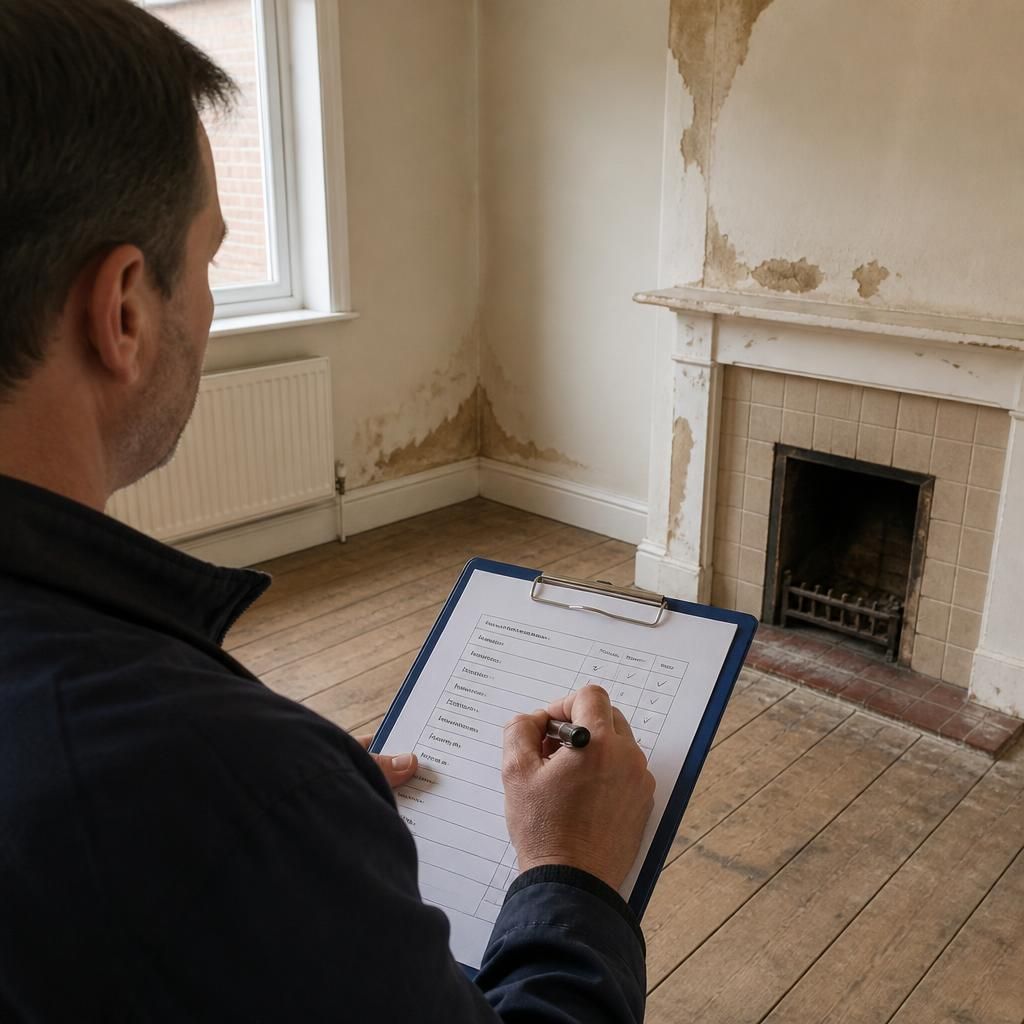
A dated, room-by-room condition record can help you prepare for a quick cash sale by giving you a consistent reference during viewings, inspections and legal enquiries. Note visible defects, previous damage, outstanding maintenance and the condition of included fixtures or appliances. Photographs can provide a useful record, particularly for areas that may change before completion.
Keep this record separate from promotional descriptions and describe issues accurately rather than presenting them as better than they are. If a defect is difficult to assess, record what you know and ask your conveyancer whether further documentation or a specialist report is appropriate. This approach helps the buyer evaluate the property on the same information from the outset and reduces the risk of disagreements about its condition.