
What steps should I take to prepare my home for a fast cash sale?
To prepare your home for a fast cash sale, gather key property documents, disclose known issues, clear unnecessary belongings and ensure the property can be inspected easily. Focus on accurate information and practical access rather than costly improvements, as a cash buyer may assess the home in its current condition.
The best preparation for a fast cash sale is to make the property easy to assess, legally straightforward and ready for an agreed handover. This means deciding what is included in the sale, resolving avoidable practical problems, preparing for valuation questions and involving a conveyancer early. Cosmetic work is usually less important than accurate information, clear arrangements and the absence of preventable delays.
- Decide what will remain at the property. Make a clear list of fixtures, fittings and other items included in the sale. This may cover built-in appliances, light fittings, curtains, sheds, garden equipment or freestanding appliances. Remove uncertainty by recording any items that are excluded, particularly if they could appear to form part of the property.
- Make minor essential repairs. Deal with straightforward faults that could interrupt an inspection or create questions about the property, such as leaking taps, broken locks, faulty lights or damaged access points. Do not commit to major renovations without first considering whether the cost and time are justified for a cash sale.
- Check that utilities and services are usable. Ensure electricity, gas, water and heating systems can be accessed and operated where needed. Keep meter locations identifiable and note the names of relevant suppliers. A buyer or surveyor may need to understand how the property is serviced, especially if it has unusual heating, drainage or energy arrangements.
- Organise access for the people involved. Identify who holds keys for the house, garages, outbuildings, gates and communal areas. If the property is tenanted, occupied by relatives or managed by someone else, agree how access and handover will work. A simple written arrangement can prevent missed appointments and confusion over possession.
- Address occupancy and possession issues early. Tell the buyer and conveyancer whether the property is empty, owner-occupied, let or subject to another person’s right to live there. Tenancies, licences, lodgers and informal occupancy arrangements can affect the transaction, so they should not be left until the final stage.
- Be ready to explain alterations. Prepare a concise record of extensions, loft conversions, removed walls, replacement windows, new installations and other substantial work. Note approximately when the work was done and who carried it out. If approvals, certificates or guarantees exist, keep them available for your conveyancer rather than relying on memory.
- Check for issues affecting the land as well as the building. Consider shared drives, private roads, parking arrangements, access rights, drainage, boundary disagreements and responsibility for fences or retaining walls. These matters can prompt additional enquiries even when the house itself is in good condition. Tell your conveyancer about any known disagreement or unusual arrangement at the outset.
- Prepare financial information for the sale. Ask your mortgage lender for an up-to-date redemption figure and identify any secured borrowing or other charge linked to the property. If the sale involves probate, divorce, arrears or another legal circumstance, establish who has authority to approve the transaction and how the sale proceeds must be dealt with.
- Use a conveyancer who understands the proposed timescale. Before accepting an offer, confirm that your chosen legal representative can take instructions promptly, communicate electronically where appropriate and explain any outstanding requirements. The buyer’s cash position does not remove the need for title checks, enquiries, identity checks and the correct transfer of ownership.
- Keep your contact details reliable. Provide the conveyancer and buyer with a dependable postal address, telephone number and email address. Tell them promptly if you will be travelling or cannot access important information. Delays often arise because a decision, signature or clarification is waiting with the seller.
It is also sensible to plan the practical move before contracts are exchanged. Arrange storage or removals if needed, separate personal belongings from items included in the sale, and decide when keys and vacant possession will be delivered. Do not remove fixtures or disconnect services if doing so could breach the agreed terms.
Before accepting a cash offer, ask for the proposed price, included items, intended completion date, treatment of any known defects and the conditions attached to the offer in writing. Check whether the buyer expects the property to be sold as seen and whether any inspection or legal enquiry remains outstanding. A cash sale can reduce dependence on a buyer’s mortgage, but it still depends on satisfactory legal checks, an agreed contract and both parties being ready to complete.
Finally, keep a written checklist of actions and deadlines. The checklist should cover the conveyancer’s instructions, lender contact, access arrangements, outstanding repairs, included contents, moving plans and key handover. This turns preparation into a controlled process and helps identify issues that could otherwise surface late in the transaction.
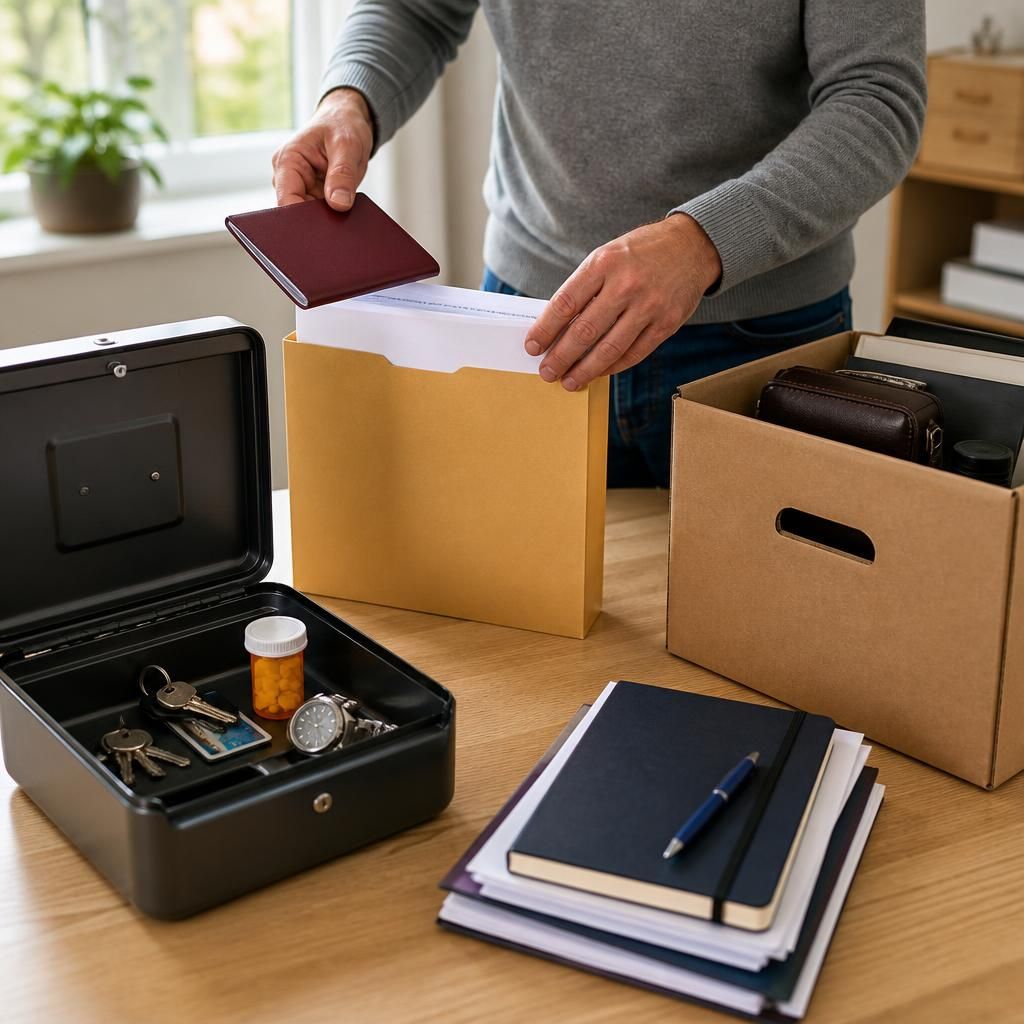
Protect personal information and valuables before the property is inspected. Remove passports, financial papers, prescription medicines, spare keys and valuable portable items from rooms, cupboards and outbuildings. Keep any documents needed for the sale in a separate, clearly organised file for your conveyancer rather than leaving them on display.
This allows the buyer and relevant professionals to assess the property without exposing private information. It also reduces the risk of confusion about which belongings are included in the sale and makes the eventual handover more orderly.