

What steps should I take to prepare my home for a quick sale?
To prepare your home for a quick sale, organise the essential paperwork, resolve any known legal or title issues, complete practical repairs and present the property cleanly and neutrally. Obtain a realistic valuation, choose a suitable selling route and ensure your solicitor or conveyancer is ready to handle the transaction without avoidable delays.
Preparing a home for a quick sale involves more than making it look presentable. The practical aim is to remove avoidable uncertainty, make access straightforward and ensure that everyone involved can make decisions promptly. A well-organised sale is easier for a direct cash buyer, private purchaser or estate agent to assess and progress.
Start by defining the terms that matter to you. Decide your preferred completion date, whether you need time to find another property, what items will remain at the home and whether vacant possession is required. Separating essential conditions from preferences helps you assess offers consistently rather than focusing only on the headline price.
Make the property easy to access. Arrange a reliable way for inspections, surveys and viewings to take place. Gather keys for external doors, garages, sheds and communal areas, and make sure alarms, gates and access codes can be explained. If someone else occupies the property, agree suitable arrangements with them before appointments are offered.
Where the property is rented, check the tenancy position and establish whether the buyer expects the tenancy to continue or the property to be vacant on completion. Tenants should receive appropriate notice of visits, and access should be arranged in a way that complies with the tenancy agreement and applicable law.
Give an accurate description of the home. Prepare a concise record of the number and use of rooms, parking arrangements, outbuildings, included fixtures and any improvements made during your ownership. Be consistent across conversations and marketing details. Concealing a material defect or presenting an inaccurate feature can lead to renegotiation, delay or a failed transaction later.
Review the financial position before accepting an offer. If there is a mortgage or other secured borrowing, establish the balance needed to repay it and identify any charges that could affect the net proceeds. Also account for removal costs, storage, outstanding service charges and any other known deductions. This gives you a realistic view of the amount available after completion.
Prepare the home for inspection without over-investing. Confirm that basic services can be demonstrated, including heating, lighting, water, windows and appliances that are included in the sale. Keep instruction manuals, guarantees and certificates for installed items together if you have them. Avoid committing to expensive improvements unless they address a clear obstacle to the sale; major work may not be recovered in the final price.
Plan what will happen to your belongings. Decide which furniture, appliances and personal items are included, removed or disposed of. Clearing items that will not form part of the sale makes the agreed contents clearer and reduces the risk of last-minute disputes. If the property is empty, arrange suitable protection and regular checks until ownership transfers.
Keep communication organised. Use one main point of contact where possible and record offers, agreed conditions, questions and appointments. If the property has more than one owner, make sure all owners understand the proposed terms and can provide decisions when required. Delayed instructions between owners can hold up progress even when the buyer is ready.
Consider the buyer’s position as well as your own. A purchaser may need access for a survey, may ask questions about the property or may make an offer subject to specific conditions. Responding accurately and keeping appointments reduces friction. Before accepting, confirm whether the offer is cash or dependent on another sale, whether it is subject to survey or finance, and whether any fees or deductions are proposed.
If you are considering a direct cash buyer, compare the complete terms rather than price alone. Check the proposed purchase structure, whether the offer is conditional, who pays which costs, what happens if the buyer changes its valuation and whether the completion date suits your circumstances. Ask for important terms in writing and take independent legal advice before signing a contract.
Finally, keep your plans flexible until contracts have been exchanged. An accepted offer is not the same as a completed sale, and circumstances can change during the transaction. Continue maintaining the property, preserve access for agreed appointments and avoid booking non-refundable removals or making firm onward commitments until your conveyancer confirms that the relevant stage has been reached.
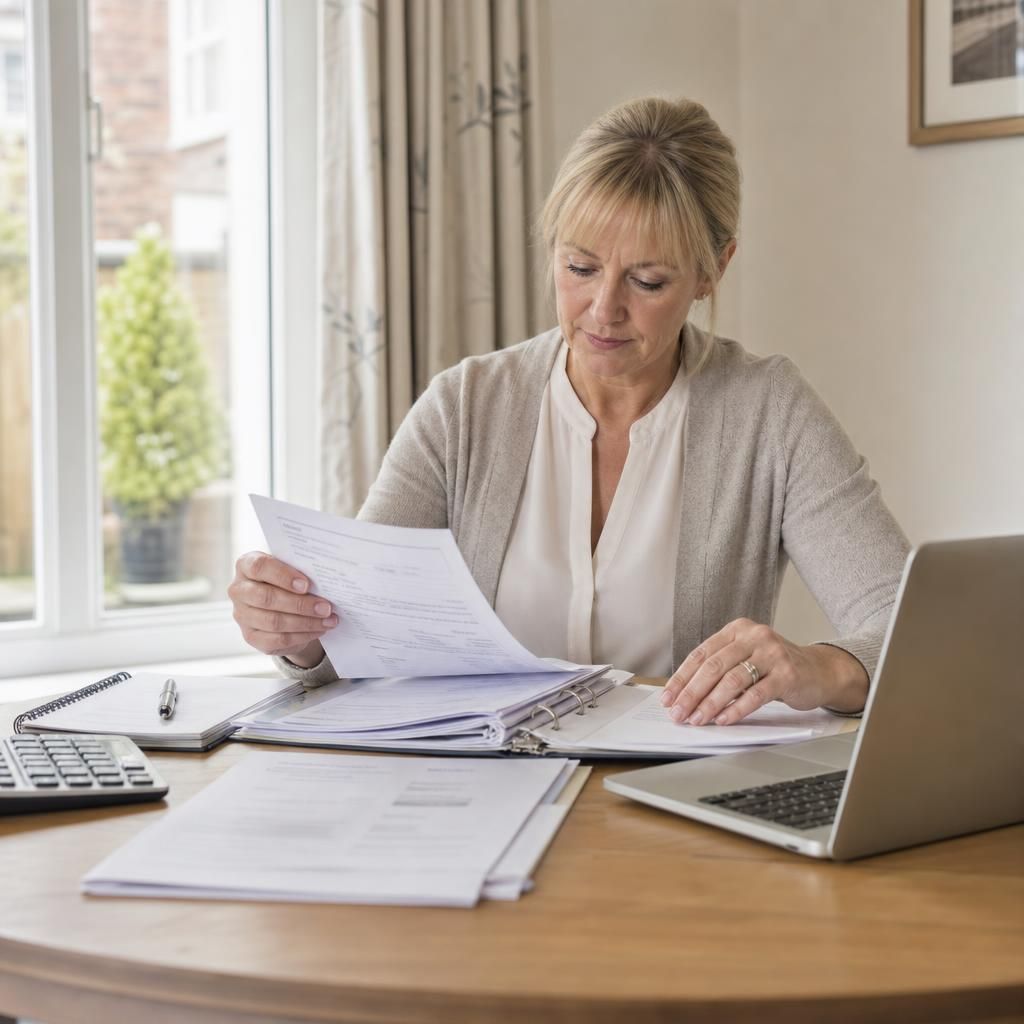
For a leasehold home, obtaining the relevant leasehold information early can prevent avoidable delays during the sale. Gather the lease, recent service-charge and ground-rent statements, details of planned major works, buildings-insurance information and any required permission for alterations.
Ask the managing agent or freeholder what information a buyer’s solicitor will need and whether a management information pack must be ordered. Check that correspondence details, payment records and details of any notices affecting the property are accurate. Leasehold queries can take time to resolve, so identifying missing information before accepting an offer helps the legal process proceed with fewer interruptions.