
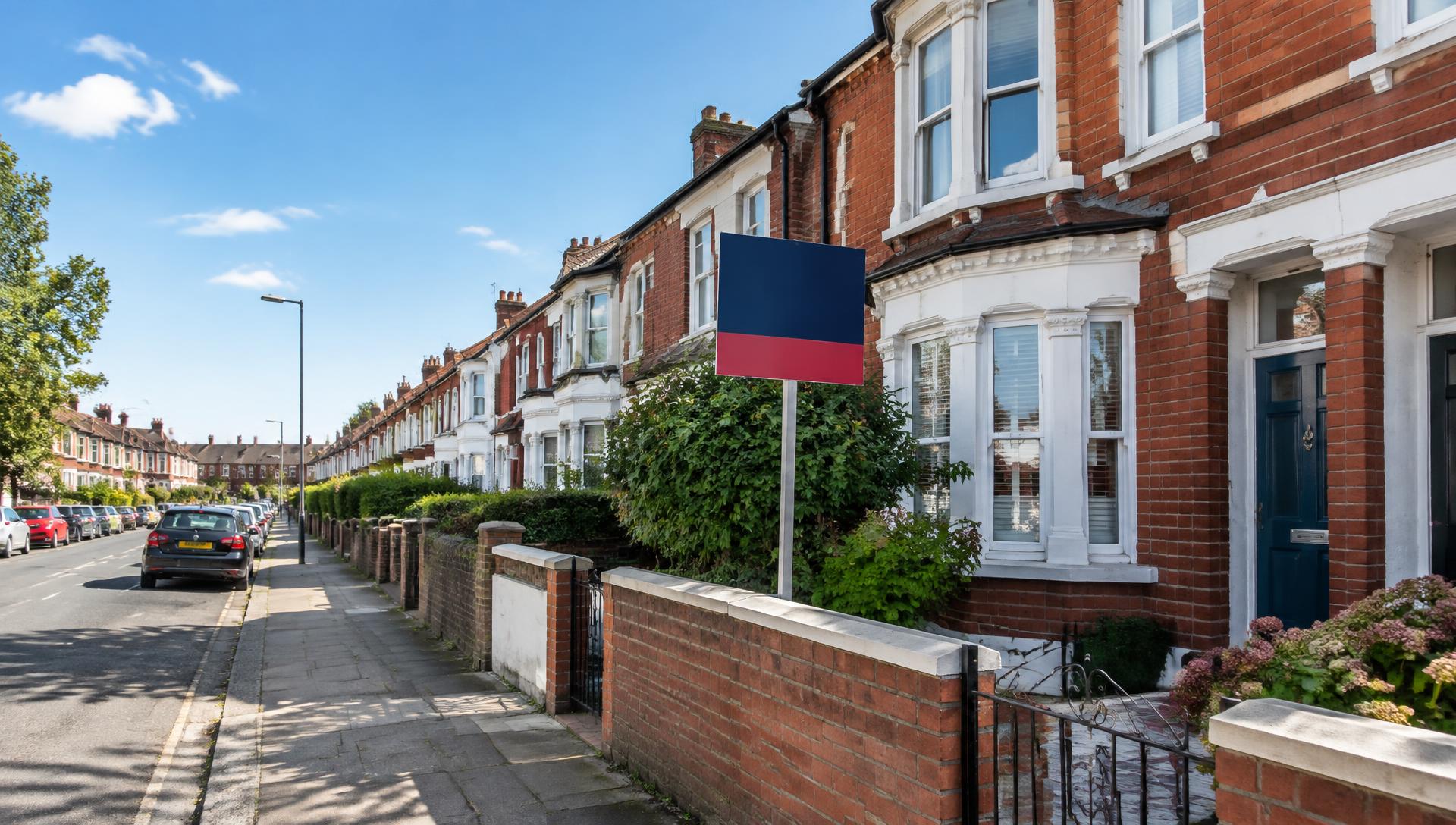
What are the primary advantages of selling a house as-is?
Selling a house as-is allows you to offer the property in its current condition, without completing repairs or improvements before marketing it. The primary advantages are reduced preparation, fewer repair-related decisions and a simpler sale process, particularly where the property has defects, legal complications or needs substantial work.
The primary advantages of selling a house as-is are greater control over the transaction, reduced financial exposure, clearer negotiation and access to buyers who specifically assess properties in their existing condition. These benefits can be particularly relevant where the owner wants to avoid committing further money or management time to a property before sale.
- You avoid investing in improvements with uncertain returns. Renovation work does not necessarily increase a property’s value by the same amount as the cost of the work. Selling as-is allows you to avoid making cosmetic or structural changes that may not be reflected fully in the eventual sale price.
- You retain control over how much involvement you have in the property. An as-is sale can reduce the need to arrange contractors, source materials, supervise work or make design decisions. This can be useful where the owner lives elsewhere, is dealing with an inherited property or has limited capacity to manage the home.
- The property can be assessed on its actual condition. Buyers considering an as-is purchase generally base their offer on the building, its location, its condition and the work they believe is required. This creates a more direct basis for negotiation than pricing a property as though improvements had already been completed.
- It can suit specialist buyers. Some cash buyers, property investors and developers are specifically equipped to assess homes that need updating or contain unusual features. Presenting the property honestly in its current state may therefore make it relevant to buyers who are prepared to take on work that would not suit every purchaser.
- You reduce the risk of an unfinished improvement project. Once work begins, costs can change when contractors uncover further problems. Materials may be delayed, specifications may need revising and additional permissions or inspections may become necessary. Selling before undertaking that work transfers the responsibility for assessing and managing those future decisions to the buyer, subject to the agreed contract.
- You can preserve flexibility when the property has limited appeal in its present market. A house that needs modernisation, has an unconventional layout or requires a different type of occupation may not fit the expectations of every owner-occupier. An as-is approach allows the property to be considered for alternative uses or improvement strategies without the current owner having to implement them first.
- The transaction can be easier to evaluate from the outset. A buyer can consider the visible condition, available documents and known issues before deciding whether the property is suitable. This may produce more focused discussions about price, conditions and responsibilities, rather than negotiations based on proposed works that have not yet been defined.
These advantages do not mean that every as-is property will attract the same price as a fully updated home, or that a buyer will accept every defect without further enquiries. The asking price should reflect the property’s condition and the work a buyer may need to undertake. Sellers should also be accurate about known issues and continue to meet their legal and contractual obligations; “as-is” does not remove the need to provide relevant information.
For homeowners comparing an as-is sale with carrying out improvements first, the appropriate option depends on the likely value added, the cost and risk of the work, the owner’s circumstances and the type of buyer likely to be interested. An informed comparison of these factors is more reliable than assuming that either approach will always produce the better result.
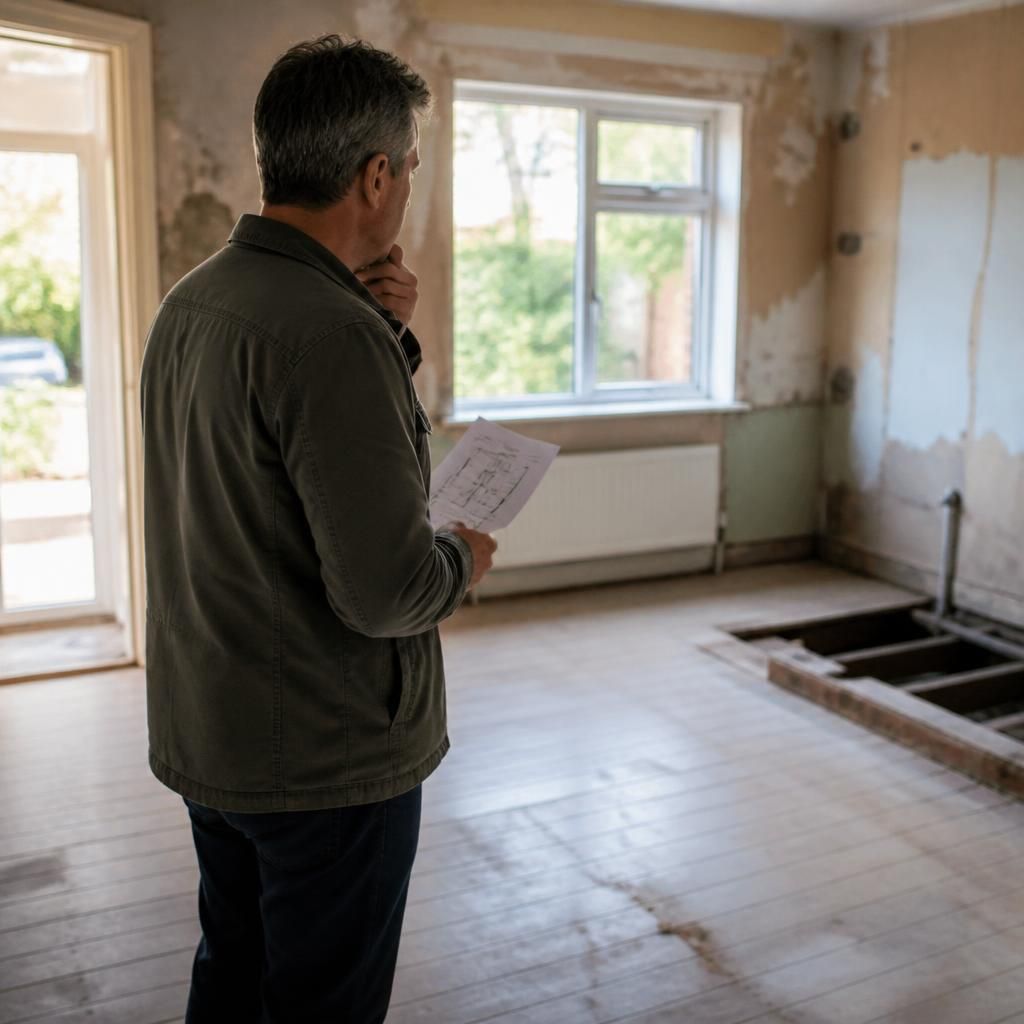
One practical advantage of selling a house as-is is that you can avoid delaying the sale while improvement work is planned and completed. A renovation period may involve obtaining quotations, appointing contractors, waiting for materials and dealing with unexpected defects. During that time, the property remains your responsibility and ongoing costs may continue, including mortgage payments, insurance, council tax and utilities.
Marketing the property in its existing condition allows potential buyers to assess it without waiting for a proposed refurbishment to finish. This can help you make a clearer decision about whether the likely benefit of improving the home justifies the additional time, expenditure and responsibility. It does not guarantee a quicker transaction or remove the need for appropriate disclosures, but it can prevent a sale decision being tied to a project with an uncertain completion date.
Discuss Selling Your House As-Is
Review the property’s condition, known issues and available documents, then contact buyhousesfast.co.uk to discuss whether an as-is cash sale suits your circumstances. You can use that discussion to clarify the information a buyer would need before deciding on the next step.