

Can I sell my house fast if it's in poor condition?
Yes. A house in poor condition can usually be sold fast for cash without carrying out extensive repairs, although its condition, legal position and the work required will affect the offer and sale process.
A property needing substantial work can still be sold quickly in the UK. The main question is not whether the house looks presentable, but whether its condition, ownership documents and legal status allow a buyer to assess the risks and proceed with the purchase.
Poor condition can describe anything from dated kitchens and worn flooring to serious structural, damp or safety problems. Typical issues include:
- Roof damage, penetrating damp or timber decay
- Subsidence, movement or other structural defects
- Fire, flood or storm damage
- Plumbing, electrical or heating systems that need replacement
- Broken windows, damaged bathrooms or missing fixtures
- Japanese knotweed or other environmental concerns
- Vacant properties affected by neglect, vandalism or fly-tipping
- Homes that are not suitable for immediate occupation
You do not necessarily need to complete these works before seeking a sale. However, the more extensive the defects, the more likely they are to affect the property’s market value and the type of buyer willing to proceed. A buyer may assess the likely renovation cost, professional fees, compliance work, uncertainty and time involved before making an offer.
Before deciding whether to repair or sell in its current state, compare the full cost of each option. Repairs may involve contractors, surveys, planning or building control requirements, storage, insurance and continued mortgage or utility payments. Cosmetic improvements can sometimes help a conventional sale, but major work may not be recovered in the eventual price, particularly where the defects are uncertain or the property is difficult to finance.
A cash buyer may be able to consider properties that would be difficult to market through a conventional sale. This can include homes requiring extensive renovation or properties where a mortgage lender may be unwilling to lend until particular defects have been resolved. Selling without carrying out the work transfers responsibility for assessing and pricing the risk to the buyer, but it does not remove the need to provide accurate information about the property.
Full disclosure is important. Tell the buyer and conveyancer about known defects, previous insurance claims, structural reports, planning matters, guarantees, disputes and any work carried out without the required approval. Concealing a material problem can cause difficulties during conveyancing and may lead to a claim after completion. If you are unsure whether an issue is significant, discuss it with your conveyancer rather than omitting it.
The condition of the property is only one part of the assessment. You should also establish:
- Who legally owns the property and whether all owners agree to the sale
- Whether there is an outstanding mortgage, secured loan, charge or restriction
- Whether the property is leasehold, and if so, whether there are arrears, unusual lease terms or consent requirements
- Whether there are tenants, licencees or anyone else occupying the property
- Whether alterations have the necessary planning permission, building regulations approval or completion certificates
- Whether probate, divorce, bankruptcy or another legal process affects the seller’s authority to sell
For a straightforward transaction, the process generally involves providing property details, receiving and reviewing an offer, instructing a conveyancer, supplying identification and title information, answering enquiries, agreeing the contract and completing once the legal requirements have been satisfied. A survey or specialist report may still be appropriate where the condition presents structural, environmental or safety risks.
When comparing a proposed quick sale, look beyond the headline offer. Ask how the price was calculated, what assumptions have been made about the repairs, whether any fees or deductions apply, whether the offer is subject to further inspection and whether the buyer intends to assign or resell the contract. Confirm the buyer’s identity, funding position and solicitor details, and have your own conveyancer review the paperwork before signing.
It is also worth checking whether the property can legally be sold in its present state. Serious disrepair does not normally prevent a sale, but missing title documents, unresolved ownership issues, unlawful alterations or restrictions can delay completion even where the buyer is willing to purchase the building as it stands.
In practical terms, a fast cash sale may be suitable when the cost, disruption or uncertainty of repairing the property outweighs the potential benefit of marketing a finished home. Obtain independent legal advice, understand the net amount you would receive after any agreed deductions and avoid committing until the offer and contract have been properly explained.
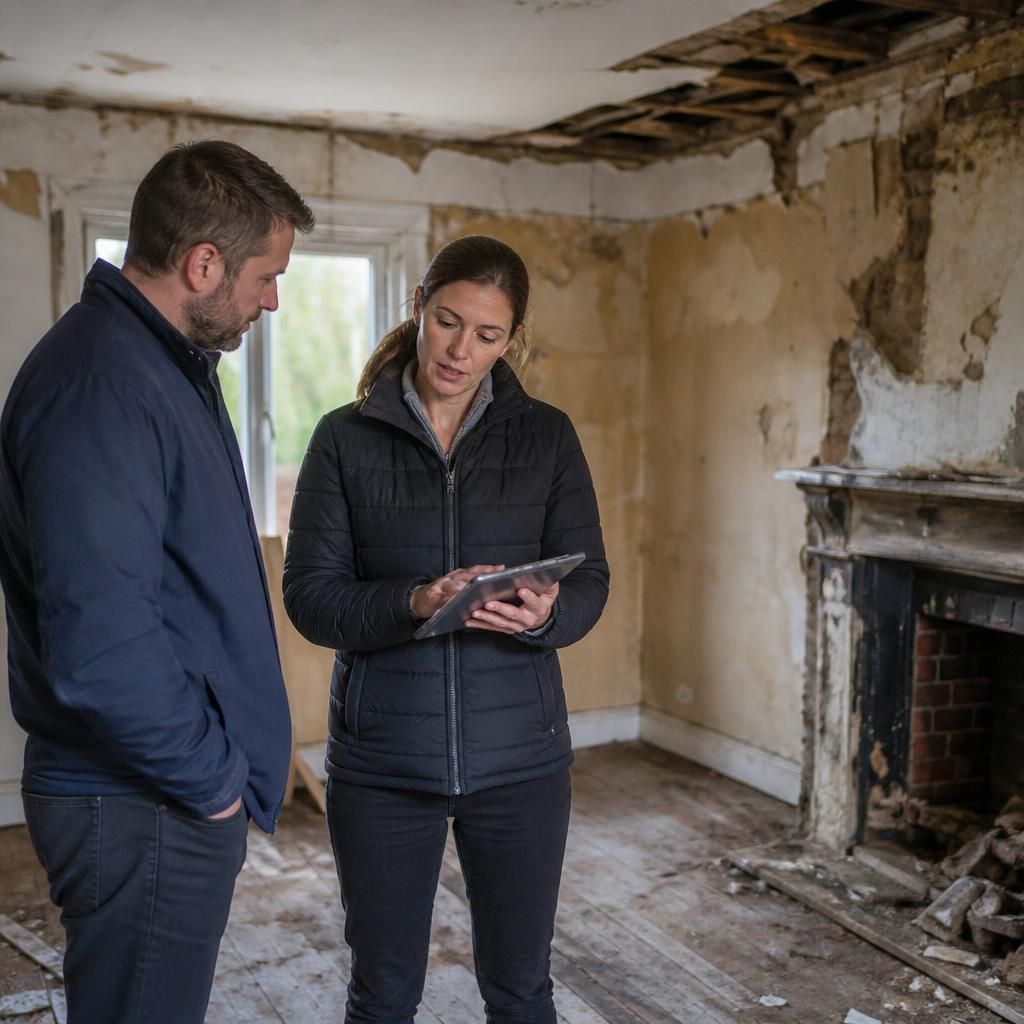
A property may be saleable in poor condition even when it is not suitable for occupation, but access and possession still need to be managed carefully. If the house is vacant, make sure it is secure, insured where required and accessible for any agreed inspection. If people, belongings or hazardous materials remain at the property, clarify who is responsible for removing them and whether the buyer expects vacant possession on completion.
Where the building may be unsafe, do not arrange informal inspections or attempt remedial work without appropriate professional advice. A conveyancer can help record the property’s condition and any arrangements for clearance, access or possession in the contract, reducing uncertainty about what is included in the sale.