

What are the benefits of selling my house for cash versus a traditional market sale?
Selling your house for cash can provide a simpler, more direct transaction than a traditional market sale, often avoiding estate agent fees, property-chain complications and lengthy buyer-financing processes. It may also suit owners who value a clearer route to completion or whose property needs work, although comparing the cash offer with an independently assessed market value is important.
Selling your house for cash can offer greater certainty and control than listing it on the traditional market, particularly when the priority is a more predictable transaction rather than achieving the highest possible advertised price. The main advantages are a reduced reliance on mortgage approval, fewer stages involving a property chain, and the ability to agree terms directly with the buyer.
Greater certainty over the buyer’s funds
In a traditional sale, an accepted offer may depend on the buyer securing a mortgage. The lender’s valuation, affordability assessment or change in the buyer’s circumstances can affect whether the purchase proceeds. A genuine cash buyer does not need mortgage finance to fund the purchase, removing that particular source of uncertainty. You should still request evidence that the buyer has the funds available and ensure that your conveyancer completes the necessary checks.
More control over the sale terms
A direct cash transaction normally involves discussing the price, proposed completion date and any arrangements for the property with the buyer. This can be useful if you need to coordinate the sale with probate administration, divorce proceedings, mortgage arrears or another time-sensitive matter. The agreed terms should be recorded clearly in writing, including what is included in the sale and whether any conditions remain outstanding.
Potentially fewer transaction complications
Traditional sales can involve several linked purchases. If a buyer is waiting to sell their own property, a problem further down the chain may affect every transaction behind it. A direct cash sale can reduce dependence on other buyers and sellers. It does not remove every possible delay: conveyancing, title issues, searches, identification checks and any agreed conditions still need to be dealt with properly.
Less preparation for presentation
Open-market sellers commonly consider decorating, repairs, decluttering, photography and viewings before marketing a property. A cash buyer may assess the property in its existing condition, which can make the option more suitable where substantial work, damage, tenant-related complications or unusual legal circumstances make a conventional listing less straightforward. The condition will still affect the valuation, so the property’s defects and limitations should be disclosed accurately.
Fewer marketing-related obligations
A direct sale can avoid the need to arrange repeated viewings, respond to prospective buyers and manage a marketing campaign. This may be helpful for an owner who values privacy or who cannot easily prepare the property for public advertising. It is important, however, to understand whether any fees, contractual commitments or deductions apply under the proposed agreement.
Possible cost advantages
Depending on the arrangement, selling directly may avoid an estate agent’s selling commission and some marketing expenses. The overall financial result should be assessed rather than focusing on one avoided cost. Ask for a written breakdown of the offer, conveyancing charges, administration fees, redemption costs for any mortgage and other deductions. A lower cash offer can still be appropriate for some sellers, but only after comparing the expected net proceeds with realistic open-market alternatives.
What you may give up compared with a traditional sale
- A traditional listing exposes the property to a broader pool of potential buyers and may produce competing offers.
- A cash offer may reflect the buyer’s need to allow for resale risk, refurbishment, finance, legal work or other costs.
- A direct buyer’s valuation is not automatically the same as the property’s open-market value.
- Cash does not mean that legal checks can be skipped, and the transaction can still fail if a title or survey issue is discovered.
For that reason, obtain an independent valuation or opinion before accepting an offer, and compare the proposed net amount with a properly considered traditional-market route. Use a regulated conveyancer, verify the buyer’s identity and funds, check the written contract carefully, and take independent legal advice where the sale involves probate, separation, arrears, tenants or restrictions on the title. The strongest benefit of a cash sale is not simply that it is cash; it is the combination of a credible buyer, transparent terms and a valuation that reflects your priorities.
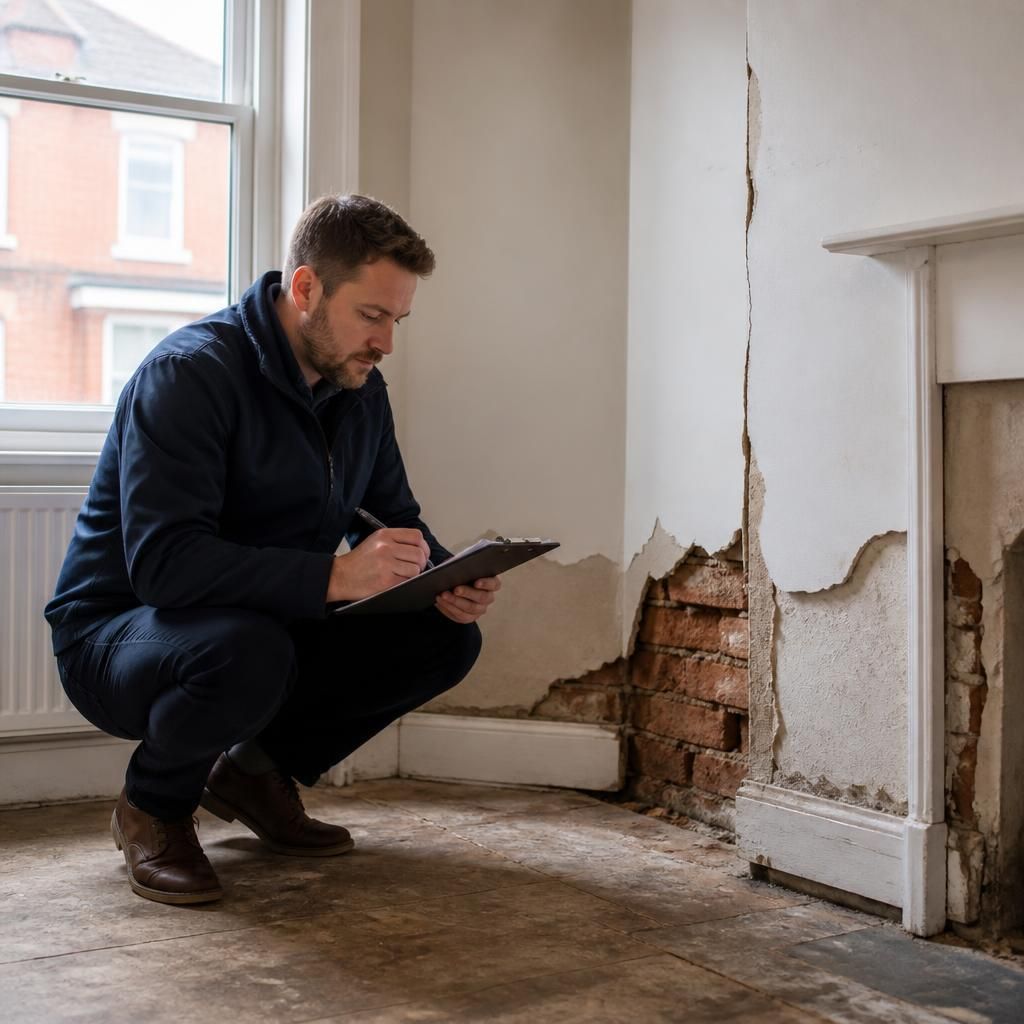
One practical benefit of a cash sale is that it may remain possible where a conventional buyer’s mortgage lender could not accept the property. A short lease, non-standard construction, significant structural work or a title restriction can make mortgage funding more difficult, even when the owner is willing to sell. A cash buyer assesses the property and its risks directly rather than relying on a mortgage lender’s criteria, although legal, title and condition checks still apply.
This can give an owner an additional route to compare with a traditional listing. The important comparison is not simply whether the buyer can pay without borrowing, but whether the proposed price and terms fairly reflect the property’s condition, legal position and likely open-market alternatives.