

What steps should I take to prepare my home for an urgent cash sale?
Prepare your home for an urgent cash sale by gathering the title deeds and relevant property documents, clearing personal belongings, and making any essential safety repairs. Provide accurate details about the property’s condition, occupancy and legal issues so the buyer can assess it properly without unnecessary renovation or cosmetic work.
Preparing a home for an urgent cash sale is mainly an administrative and disclosure exercise rather than a renovation project. The most useful preparation is to confirm who can authorise the sale, organise the information a buyer and conveyancer will need, identify anything that could affect the transaction, and remove avoidable delays from the legal process.
Set out your sale requirements. Before accepting an offer, decide what matters most to you, such as the preferred completion date, whether you need time to remove remaining possessions, and whether any fixtures or fittings are excluded. Put these points in writing so they can be discussed clearly and recorded in the sale documents. If more than one person owns the property, all registered owners should understand and agree to the proposed terms.
Check the ownership and title position. Obtain an up-to-date copy of the Land Registry register where applicable and review the registered proprietors, charges, restrictions, covenants, rights of way and other entries. A restriction may require consent or a certificate before the sale can be registered. If the property is leasehold, locate the lease and gather information about the remaining term, ground rent, service charges, planned major works and the managing agent’s contact details. Different property registration and conveyancing arrangements apply in Scotland and Northern Ireland, so the relevant local process should be followed.
Instruct a conveyancer early. A solicitor or licensed conveyancer can check the title, deal with redemption figures, prepare the contract pack and explain which forms apply to the property. In England and Wales, this may include property information and fittings-and-contents forms; leasehold properties commonly require additional information from the freeholder or managing agent. Tell the conveyancer at the outset about trusts, matrimonial or probate issues, occupiers who are not owners, secured borrowing, previous alterations and any notices received. Early disclosure allows the correct advice to be obtained instead of leaving an issue to emerge just before completion.
Prepare financial information. Ask each lender for an up-to-date redemption statement, including any secured loan or second charge. Check whether there are early repayment costs, administration fees or other sums that must be paid from the sale proceeds. If the property is subject to an insolvency arrangement, charging order, restriction or other financial claim, give the relevant paperwork to the conveyancer. Also prepare identification and source-of-funds information, as conveyancers and buyers may need to complete anti-money-laundering checks.
Collect evidence for alterations and specialist features. Locate planning permissions, building regulation completion certificates, guarantees, warranties and installation certificates for works such as extensions, loft conversions, replacement windows, electrical installations, heating systems or solar equipment. If paperwork is missing, tell the conveyancer rather than assuming it will not matter. The available options can depend on the type and age of the work, and an indemnity policy is not automatically appropriate or available.
Deal with practical property information. Make a simple inventory of items that will remain, including fitted appliances, sheds, parking spaces, keys, remotes and alarm controls. Record meter locations and readings at the appropriate stage, note the suppliers for utilities and broadband, and keep instruction manuals and guarantees together. Notify the council, insurer and utility providers of the proposed change in ownership when appropriate, while retaining cover and accounts until responsibility formally passes under the transaction.
Plan access and communication. Give the buyer, surveyor and conveyancer accurate contact details and agree how access will be arranged. Keep keys, access codes and documents in one secure place. If the property is empty, check it periodically or arrange suitable oversight in line with the insurer’s conditions. If it is tenanted or occupied under another arrangement, obtain specialist advice before making promises about possession or completion.
Review the written offer carefully. A cash proposal should be assessed by its full terms, not only by the headline price. Check whether it is conditional on inspection, funding, vacant possession, another sale or a specific legal outcome; whether any deductions are proposed; and which fixtures, fittings and costs are included. Ask questions about anything unclear and keep agreed changes in writing. Until contracts are exchanged, the transaction may not be legally binding in England and Wales, so avoid committing to an irreversible move or using sale proceeds before your conveyancer confirms the relevant legal position.
Finally, keep a transaction file containing correspondence, forms, certificates, lender information, inventories and agreed terms. A complete, consistent file helps the conveyancer answer enquiries and gives the buyer a reliable basis for proceeding. Where the property involves probate, divorce, disputed ownership, arrears, lease restrictions or unusual construction, obtain advice from the appropriate legal or specialist professional before accepting terms.
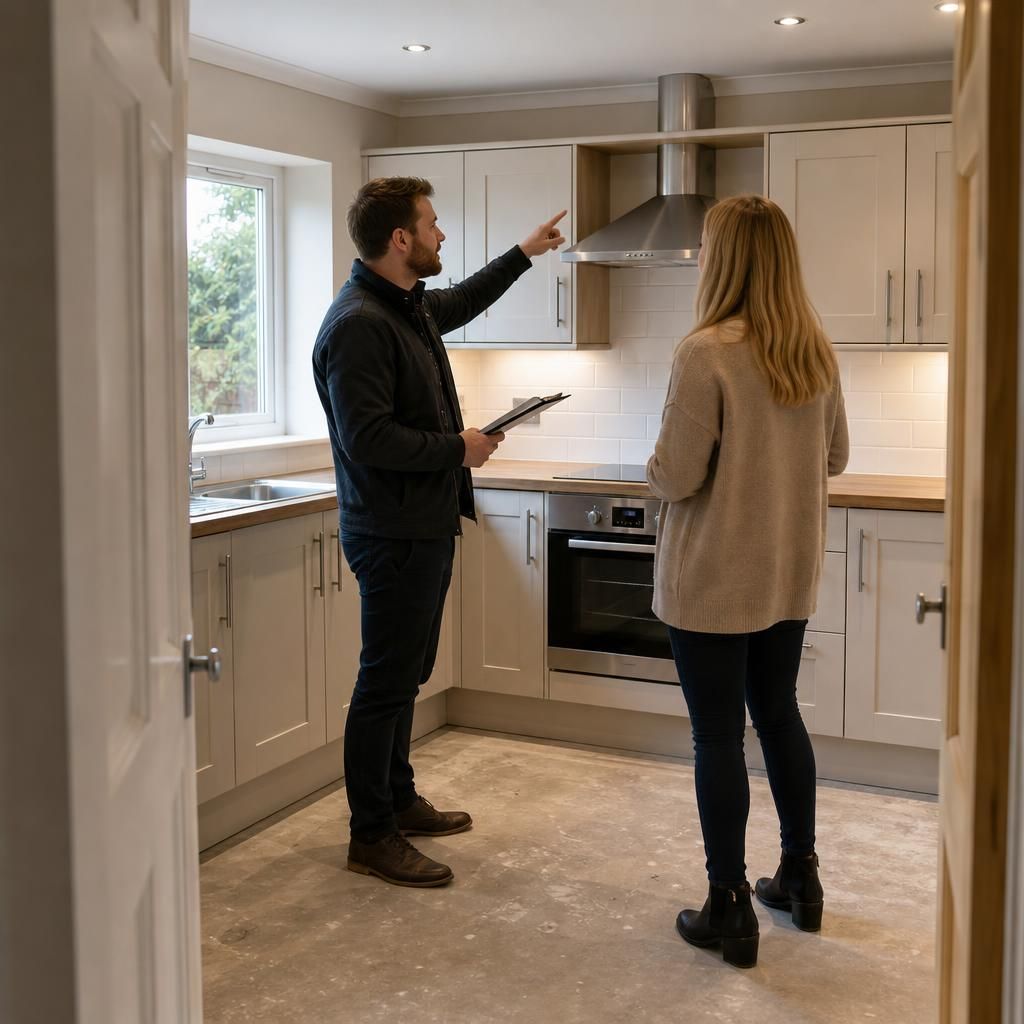
Make the property straightforward to inspect. A cash sale still involves due diligence, so the buyer may need to verify the condition, layout and included fixtures before finalising the transaction. Ensure each relevant area can be viewed, including loft spaces, cellars, garages, outbuildings, meters, heating controls and any areas affected by previous work.
- Leave utilities connected where appropriate so essential systems can be checked safely.
- Separate items that are included in the sale from possessions that will be removed.
- Point out known defects, access limitations or incomplete works rather than concealing them.
- Keep the property reasonably tidy so its condition can be assessed without unnecessary obstruction.
This approach reduces uncertainty during inspection and gives the buyer a clearer basis for assessing the offer. Do not carry out major improvements solely to influence a cash buyer; discuss any proposed work with your conveyancer where it could affect the legal or practical position.