

How do I determine the value of my house when selling as-is for quick cash?
To value your house when selling as-is for quick cash, compare recent sales of similar local properties, then adjust for its condition, location, size, outstanding issues and any repairs a buyer would need to fund. Obtain independent valuations or written cash offers and compare the net amount after fees, required works and transaction costs, rather than relying solely on the highest headline figure.
The most reliable way to determine an as-is cash value is to establish the property’s likely open-market value, identify the costs and risks a buyer will take on, and then compare the net figures offered by suitable cash buyers. An as-is valuation is not simply the value of the building in its current condition: it also reflects title matters, occupancy, finance, legal work, resale risk and the buyer’s cost of carrying out any necessary work.
Start with evidence of achieved prices. Use recent completed sales of genuinely comparable properties as the foundation for your estimate. Properties should be reasonably similar in location, tenure, type, size, plot, parking and overall condition. Asking prices can indicate current competition, but they are not proof of what buyers have actually paid. Sold-price records, local market evidence and advice from a qualified valuer provide a stronger basis.
Do not treat an online valuation as a final cash figure. Automated tools may not identify an unusual layout, short lease, non-standard construction, planning issue or serious defect. They can be useful for an initial sense-check, but the result should be tested against property-specific information.
Separate the property value from the cash-sale price. A conventional market valuation usually assumes exposure to a wider pool of buyers and time to market the property, negotiate, arrange finance and complete. A cash buyer may offer less because they are accepting the present condition, taking on uncertainty and expecting to resell or occupy the property. The difference should be explained rather than accepted as an unexplained discount.
Ask for the proposed price in writing and request a clear breakdown of any deductions. Check whether the figure is subject to a survey, title review, vacant possession, proof of funds or further negotiation. A headline offer is not the same as the amount available to you after redeeming a mortgage and paying any agreed selling, legal or administrative costs.
Prepare a complete property information pack. Accuracy helps prevent a valuation being revised later. Gather, where relevant:
- property details, floor plans and room measurements;
- information about alterations, extensions and planning or building-regulation approvals;
- known problems such as subsidence, damp, Japanese knotweed, asbestos or defective services;
- boiler, electrical, roofing and drainage records;
- the title register, plan and details of restrictions, rights or covenants;
- lease length, ground rent, service charges and major-works notices for leasehold property;
- details of tenants, occupiers, vacant possession and any disputes;
- the mortgage balance, arrears, secured loans and other charges affecting the property.
A buyer may price legal or physical uncertainty even where no immediate repair is required. Missing paperwork, an unregistered extension, an absent freeholder, a complicated ownership structure or an unresolved boundary can affect both value and the likelihood of completion. These matters should be disclosed early and checked by a conveyancer rather than concealed or assumed to have no effect.
Estimate deductions carefully. Obtain realistic quotations where a defect is substantial, but do not automatically subtract the full retail repair cost from the market value. A professional buyer may have different contractor rates, may improve several elements together, or may allow for disruption, risk and a contingency. Conversely, a repair that appears minor could have a larger valuation effect if it prevents mortgage lending or raises concerns about the structure.
Also calculate the amount needed to clear the mortgage and any other secured borrowing. If the property is leasehold, check whether service-charge arrears, major works or transfer fees are outstanding. A conveyancer can confirm other completion payments and whether any restriction must be dealt with before sale. If the property is inherited, jointly owned or connected with divorce proceedings, the people entitled to sell and the required authority may affect the transaction as much as the physical property.
Use several checks before deciding what is fair. A sensible valuation exercise can include:
- an evidence-based estimate using completed comparable sales;
- an opinion from a local estate agent, surveyor or other appropriately qualified professional;
- written cash offers based on the same disclosed facts;
- a calculation of your expected net proceeds after finance, legal costs, required works and other known deductions.
Compare like with like. One offer may include certain costs while another leaves them to you. One may be conditional on a survey or title investigation, while another may be firm only after those checks. Record the assumptions behind each figure, including whether the buyer expects vacant possession and whether any contents, tenants or unresolved matters are included.
Be cautious of valuations that are substantially higher than the available evidence but later reduce after an inspection, or offers that depend on unclear fees and contractual terms. Before signing, check the proposed contract, the buyer’s funding position, the identity of the actual purchasing entity and the arrangements for your conveyancing. Independent legal advice is particularly important where there are arrears, possession concerns, probate, multiple owners or pressure from another party to sell.
In practical terms, the fairest as-is cash value is the amount supported by comparable evidence and transparent assumptions, not necessarily the highest initial figure. The right comparison is between credible net proceeds, the risks attached to each offer and the certainty of the contractual terms.
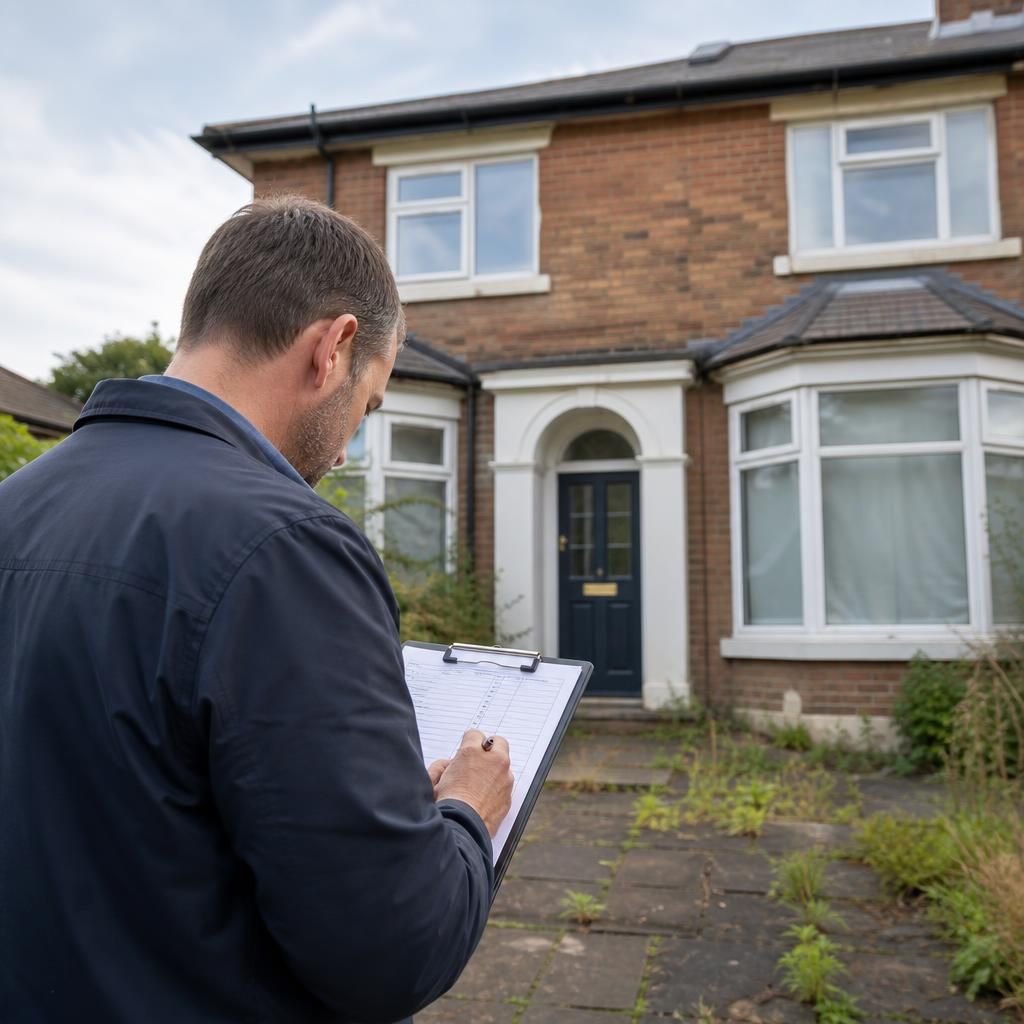
Separate the property’s value from the minimum amount you need to resolve your circumstances. Market value is an opinion of what the property could reasonably achieve under normal selling conditions; it is not determined by the mortgage balance, inheritance expectations or the amount required to settle other debts. Those figures may affect your decision, but they do not increase the property’s underlying value.
When reviewing a valuation, check exactly what it describes. A report should identify the valuation date, the assumed condition, tenure, possession status and any limitations on the information provided. This helps distinguish a conventional market assessment from a price based on a restricted sale or a buyer accepting additional uncertainty. If the assumptions do not match your property, ask for the opinion to be reconsidered before using it to assess a cash offer.