
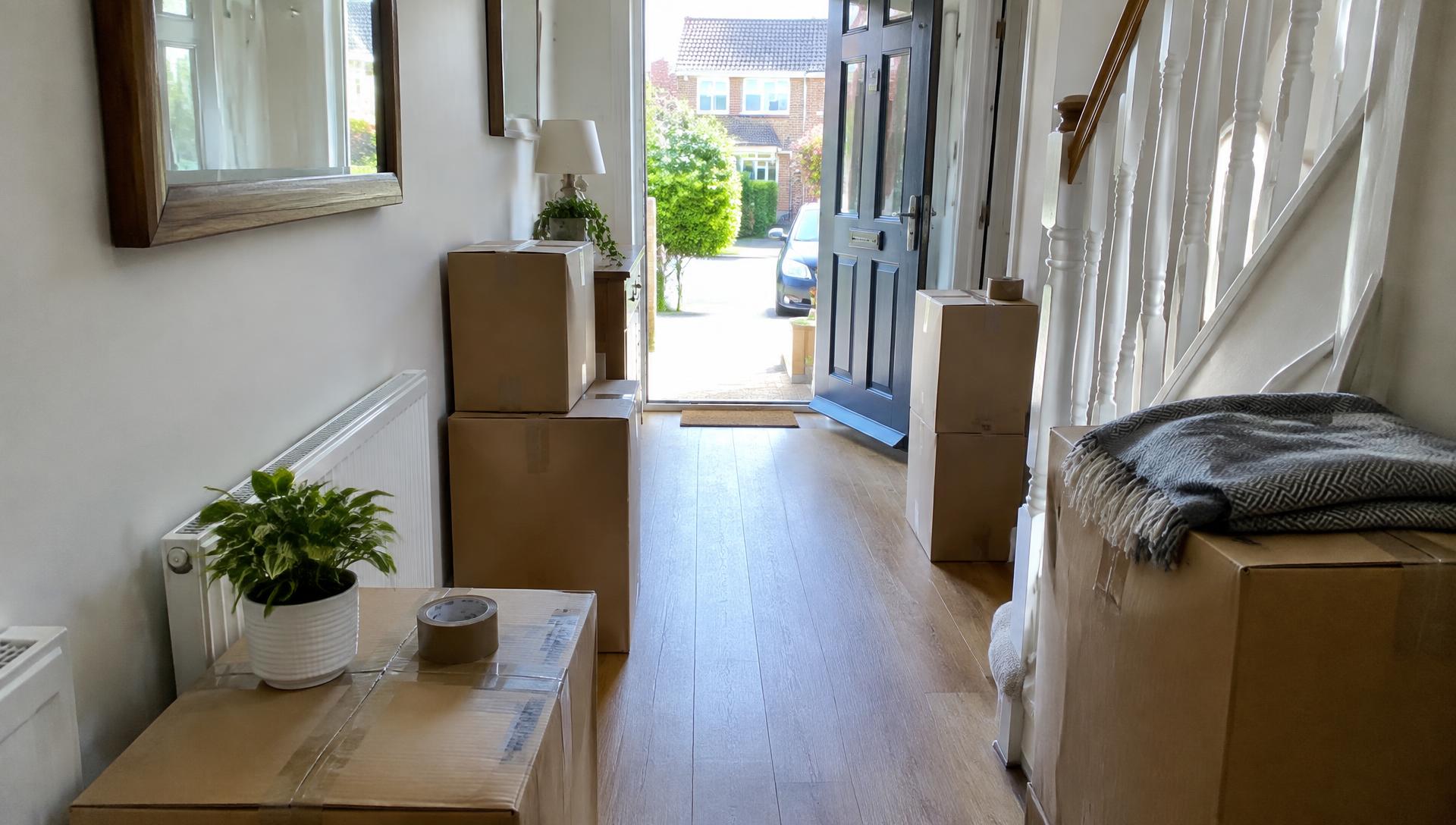
What should I consider regarding property condition when opting for a quick cash sale?
Property condition can affect the cash offer, as buyers assess the cost and risk of repairs, maintenance and legal or structural issues. A quick cash sale may still be possible without carrying out improvements, but you should provide accurate information about defects so the valuation reflects the property fairly.
In a quick cash sale, property condition is considered through several separate areas: structural soundness, safety, functionality, maintenance, legal compliance and the evidence available to support what you disclose. The condition does not need to be perfect, but an informed assessment depends on a clear distinction between cosmetic wear, repairable defects and issues that may affect the building’s use or future resale.
Separate cosmetic issues from material defects. Old décor, worn flooring, dated kitchens and minor marks are generally different from problems such as subsidence, significant damp, roof failure, unsafe electrics or defective plumbing. Cosmetic work may influence presentation, while material defects can affect the buyer’s assessment of risk, insurance requirements and the practical work involved after completion.
Consider the condition of the main building elements. Before accepting an offer, review the following areas and record anything that may need attention:
- Roof and external structure: look for missing or damaged tiles, leaks, blocked gutters, cracks, defective pointing and signs of movement.
- Damp and timber: note condensation, mould, penetrating damp, rising damp, rot or evidence of woodworm, while avoiding assumptions about the cause without suitable professional advice.
- Windows, doors and insulation: check whether they open, close and lock properly, and identify broken glazing, draughts or water ingress.
- Services: consider the age and working condition of the heating system, boiler, electrics, plumbing and drainage.
- Internal fixtures: identify damaged bathrooms, kitchens, flooring, ceilings, walls and built-in fittings.
- External areas: include outbuildings, boundaries, driveways, gardens, retaining walls and access routes in the description.
Safety and compliance deserve particular attention. Alterations such as extensions, loft conversions, removed walls, replacement windows or converted garages may have required planning permission, building regulations approval or other certificates. A missing document does not necessarily make a sale impossible, but it should be disclosed so the buyer can assess whether further checks, retrospective approval or an indemnity policy may be appropriate.
Some conditions can also affect whether the property is suitable for occupation. Unsafe wiring, gas concerns, severe water damage, asbestos-containing materials, contaminated land or serious structural movement should be identified rather than concealed. If a defect presents an immediate safety risk, obtain appropriate professional advice and avoid disturbing hazardous materials yourself.
Provide evidence where it exists. Useful information may include guarantees, invoices, service records, planning documents, building control certificates, specialist reports and details of insurance claims. These records help distinguish a known, investigated issue from an unexplained concern. If work has been carried out, explain what was done, when it was completed and whether a qualified contractor was used.
A survey or specialist inspection is not always required before seeking a cash offer, but it can be sensible where the condition is uncertain. Structural movement, suspected asbestos, Japanese knotweed, drainage problems, major damp or a non-standard construction method may need specialist input. The cost of an inspection should be weighed against the risk of receiving an offer based on incomplete information or encountering difficulties later in the transaction.
Be consistent in every description of the property. Information given to the buyer, solicitor, surveyor and any forms completed during conveyancing should not contradict one another. State known defects factually, explain whether they are current or repaired, and avoid describing a problem as resolved unless you have evidence to support that statement. Concealing a significant issue can lead to renegotiation, delay or a dispute over misrepresentation.
Properties that are empty, inherited, tenanted, fire-damaged, vandalised or affected by long-term neglect may require a different inspection approach. Access, security, stored belongings and the availability of keys can also affect how thoroughly the condition is assessed. Make clear which parts of the property or land cannot currently be inspected.
Before agreeing to proceed, ask how the buyer has treated the stated condition in the offer, whether further inspections are anticipated and whether any proposed deduction relates to a specific defect. Check the written terms carefully, including whether the offer is subject to survey, legal review or a later reassessment. This makes it easier to compare offers on a like-for-like basis and to understand what condition-related uncertainty remains.
The most useful preparation is therefore accurate documentation rather than cosmetic improvement. A clear schedule of known issues, supporting records and access for appropriate checks gives the buyer a more reliable basis for assessment while helping you understand the practical and legal implications of selling the property in its present state.
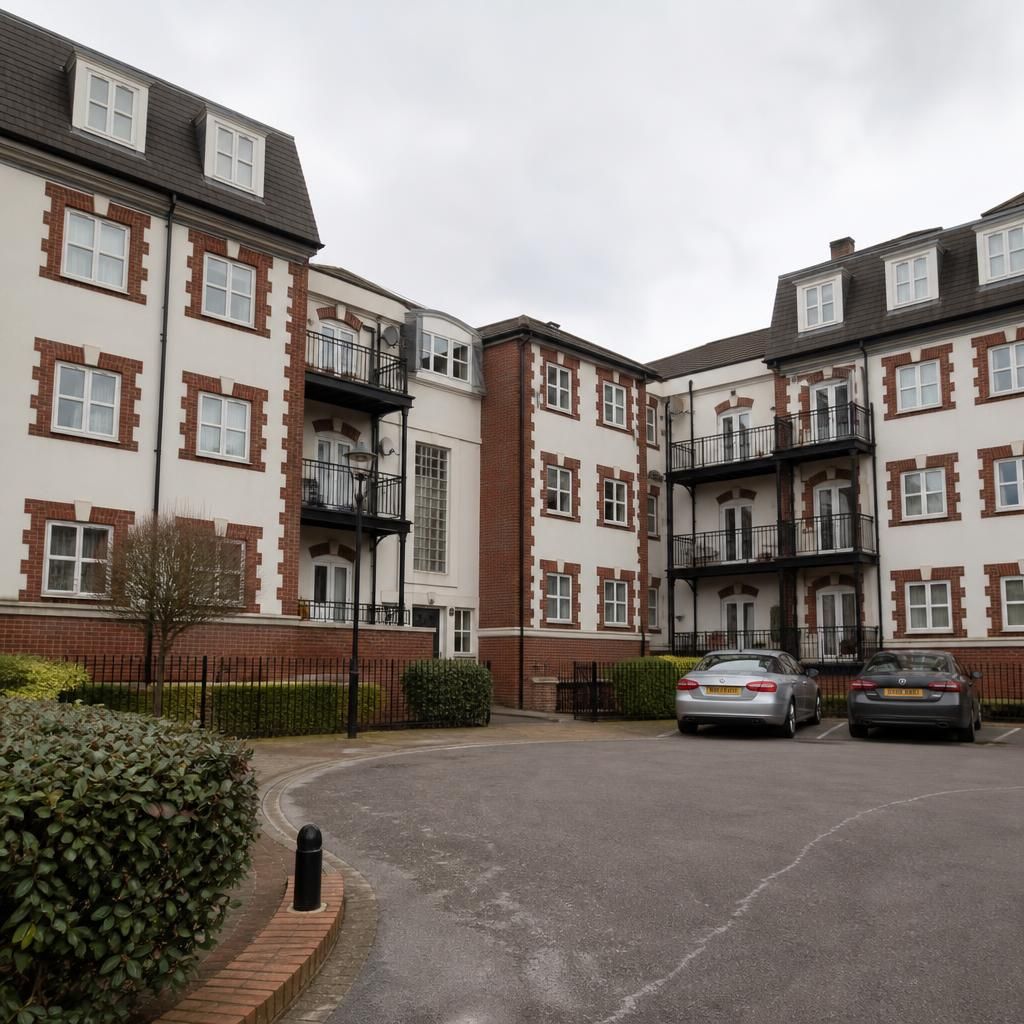
For a leasehold property, condition is assessed beyond the walls of the individual flat. The roof, external elevations, windows, communal entrances, lifts, stairwells, shared heating systems and other common parts may influence the buyer’s view of future repair obligations and the property’s overall risk.
Review information from the managing agent or freeholder about completed and planned works, recurring defects and any known problems affecting communal areas. Records of recent inspections, repairs or major works can provide useful context where the flat itself appears sound but the wider building requires attention. This is particularly relevant for older blocks and converted buildings, where responsibility for structural or external elements may sit outside the leaseholder’s control.
Request a Cash Offer Based on Your Property’s Condition
If you are considering a quick cash sale in your property’s current condition, provide accurate details of its defects, alterations and supporting records when requesting an offer. Review the written offer and any condition-related terms carefully before deciding whether to proceed.